Aluminium Alloy Powder is chosen when designers need a balance of low weight, useful strength, and adaptable processing. Its appeal is not simply that aluminium is light. Alloying elements can influence properties such as strength, corrosion resistance, and response to heat treatment, though results depend on the specific composition and production route. That distinction matters.
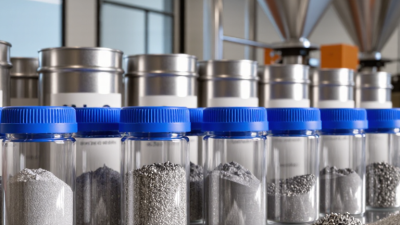
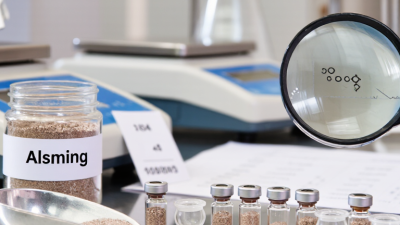
For additive manufacturing and powder metallurgy, particle size, shape, surface condition, and flow behavior affect how consistently powder can be handled and processed. A powder with suitable characteristics may support more uniform layers or compaction, but no single grade fits every machine or application. Buyers should compare technical data sheets with equipment requirements and verify important properties through supplier documentation or testing. Small details count.
Aluminium alloy powders are also used in some thermal spray and other industrial processes. Each use brings different requirements, so performance claims should be checked against the actual process, part design, and service environment. Storage and handling deserve attention too: fine metal powders can create dust and ignition hazards, so follow the supplier’s safety data sheet and workplace controls. This is not a minor footnote.
Choosing the right powder involves trade-offs among cost, availability, processability, and final-part performance. It can be tempting to select by alloy name alone. That is rarely enough. A careful review of composition, particle specifications, quality controls, and application needs gives engineers a more reliable basis for selection—and leaves room to reconsider the choice when test results disagree with expectations.
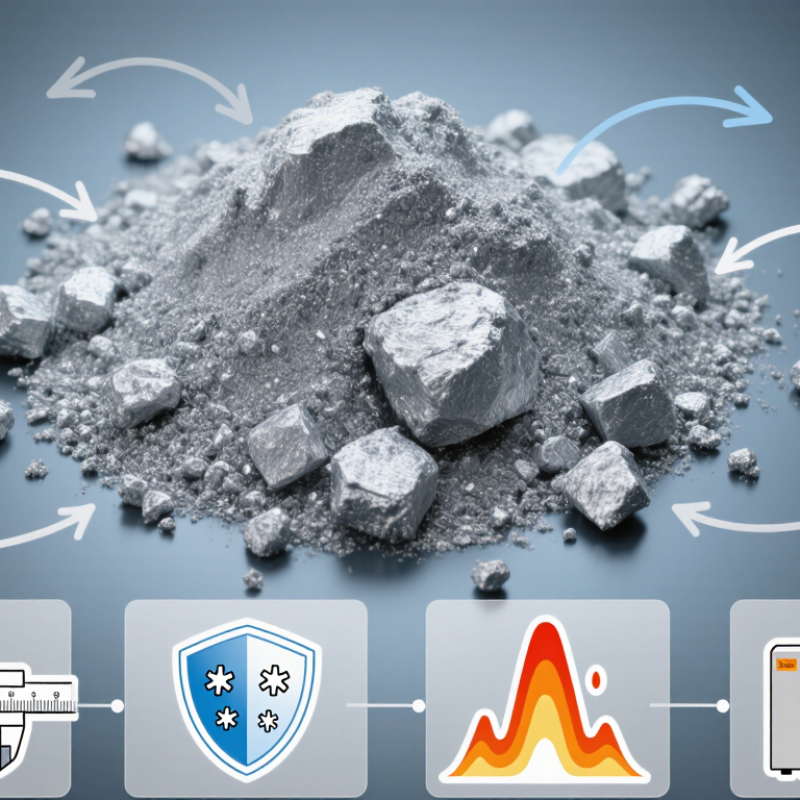
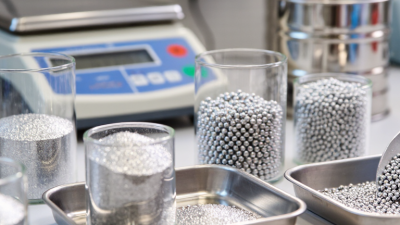
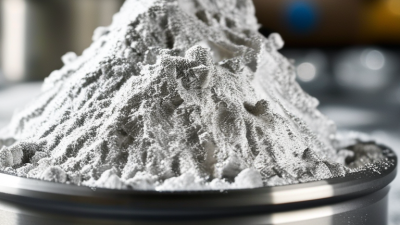
Aluminium alloy powder is a collection of tiny metal particles made from aluminium blended with elements such as silicon, magnesium, or copper. The exact recipe changes its strength, flow, corrosion resistance, and response to heat. It is not simply aluminium ground into dust. Manufacturers commonly form powder by atomizing molten alloy into droplets, then cooling them quickly. Gas type, cooling rate, and screening affect particle shape and size. Small details matter.
In additive manufacturing, powder particles are spread in thin layers and selectively fused. A smooth, near-spherical particle can flow and pack more consistently, though shape alone does not guarantee a sound part. ASTM International’s F3049 guide describes methods for characterizing metal powders, including particle size, shape, and flow. These checks help buyers compare batches rather than rely on appearance. ISO 13320 also provides guidance on particle-size measurement by laser diffraction. The USGS Mineral Commodity Summaries 2025 estimated global primary aluminium production at about 72 million metric tons in 2024. That figure describes the wider metal supply, not alloy powder output. A useful distinction. In practice, ask for the alloy composition, particle-size distribution, and test method; powder specifications can vary, and I would not assume two powders are interchangeable.
| Why Choose Aluminium Alloy Powder? - What Is Aluminium Alloy Powder? | ||
|---|---|---|
| Dimension | Information | Why It Matters |
| What it is | Aluminium alloy powder consists of fine particles made from aluminium combined with alloying elements such as silicon, magnesium, copper, or zinc. Its composition depends on the specified alloy grade. | The alloy composition determines characteristics such as strength, corrosion behaviour, heat response, and suitability for a manufacturing process. |
| How it is produced | Atomization is a common production route: a stream of molten alloy is broken into droplets that solidify into powder. Gas atomization is widely used for metal additive manufacturing powders. | Production method influences particle shape, surface condition, flow behaviour, and the powder’s suitability for particular equipment. |
| Common alloy example | AlSi10Mg is a widely used aluminium–silicon–magnesium alloy for powder-bed-fusion additive manufacturing. Other aluminium alloy powders are available for different processes and requirements. | Choosing a recognized alloy grade helps align material selection with design requirements, processing guidance, and applicable material specifications. |
| Particle size | Particle-size ranges vary with the process. Powders supplied for laser powder-bed fusion commonly use ranges such as 15–45 µm or 20–63 µm; the specified range should be confirmed for the intended machine. | Particle size affects powder spreading, packing, flow, and the layer thickness that can be used reliably. |
| Low mass | Aluminium alloys generally have a lower density than steel and many nickel-based alloys, although the exact value depends on composition and material condition. | Lower component mass can be useful in applications where weight reduction is important, including transport and portable equipment. |
| Thermal and electrical properties | Aluminium alloys can provide useful thermal and electrical conductivity, but alloying elements and the final component’s microstructure affect the actual properties. | These characteristics can support designs for heat-transfer or electrical applications when verified against the requirements of the specific alloy and process. |
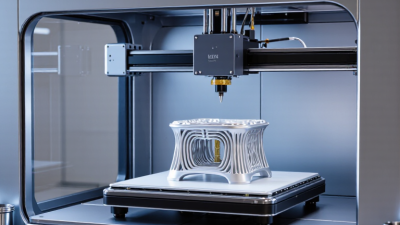
| Design flexibility | When processed by a suitable additive-manufacturing method, aluminium alloy powder can be used to produce complex shapes, internal channels, and consolidated parts. | Design freedom may enable part integration or geometry that is difficult to manufacture using conventional machining, subject to process and design constraints. |
| Typical applications | Depending on alloy, process, and qualification, applications can include lightweight structural parts, housings, brackets, heat-transfer components, and prototypes. | Matching the alloy and manufacturing route to the application is essential; not every powder grade is suitable for every service environment. |
| Powder handling | Fine metal powders require controlled handling. Aluminium powder can present fire and dust-explosion hazards, and exposure controls should follow the relevant safety data sheet and workplace procedures. | Appropriate storage, housekeeping, ventilation, personal protective equipment, and ignition-source controls are important for safe use. |
| Selection checks | Review alloy chemistry, particle-size distribution, particle morphology, flow and handling requirements, process compatibility, powder condition, and traceability documentation. | These checks help ensure consistent feeding and processing and confirm that the powder is appropriate for the intended component and quality requirements. |