Top Aluminium Alloy Powder Suppliers How to Choose?
Choosing reliable Aluminium Alloy Powder suppliers requires more than comparing prices, particle sizes, or attractive product brochures. Powder quality directly affects flowability, packing density, melting behavior, surface finish, and final component strength. A supplier may list 15–45 micrometre particles, yet the real distribution can vary between batches. That difference matters.
Professor Iain Gibson, a respected additive manufacturing researcher, has stated, “The powder is the raw material that determines the quality of the process.” His point remains practical. Buyers should examine alloy composition, powder morphology, oxygen levels, hydrogen content, production method, and traceability records. Ask for a recent certificate of analysis, not a generic document prepared years ago. Request sample testing when production volumes are significant. Small details reveal large risks.
Experience also matters. A capable supplier should explain how atomization, sieving, storage, and packaging protect powder performance. Sealed containers, moisture controls, and clear lot numbers are useful signs. However, no supplier is perfect. Even experienced buyers can overlook inconsistent sampling or unclear recycling guidance. I have seen specifications appear precise while leaving test methods unexplained. That is a weakness.
This guide examines how to compare Aluminium Alloy Powder suppliers with greater confidence. It considers technical capability, quality systems, delivery reliability, documentation, pricing, and technical support. The lowest quotation may not be the lowest total cost. A failed print, rejected batch, or delayed qualification can cost much more. Choose evidence over promises. Then question the evidence.
Define Your Use Case: Casting, AM, or Thermal Spray and Required Alloy Grade
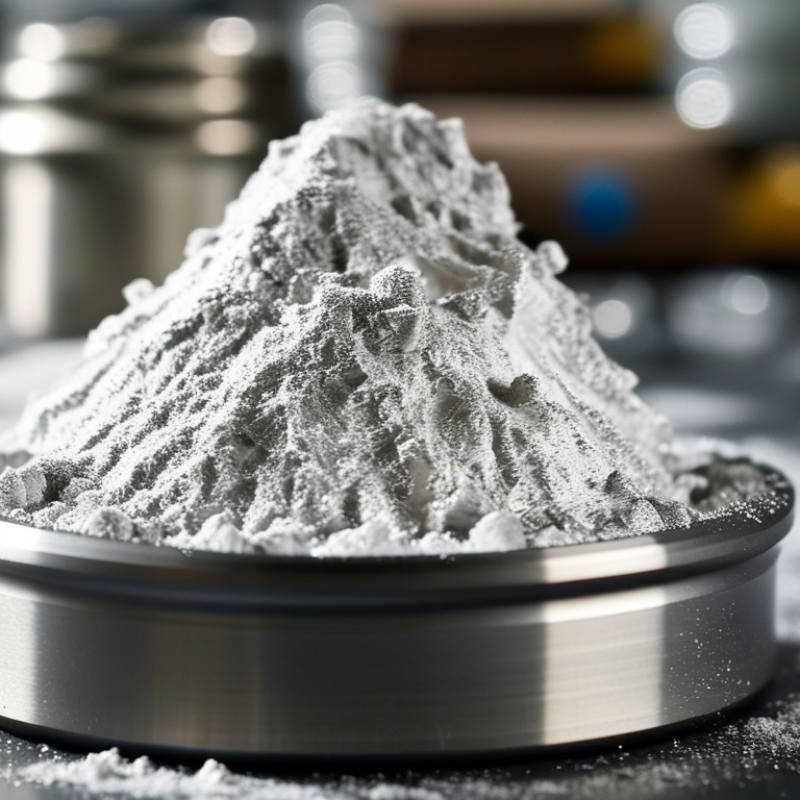
Choosing an aluminium alloy powder supplier starts with defining the exact use case. Casting powder needs predictable melting behavior, clean chemistry, and controlled particle size. A powder for additive manufacturing requires excellent flowability, stable packing, and consistent layer spreading. Thermal spray applications often demand a specific morphology, hardness, and melting response.
The alloy grade must match the part’s working conditions. Consider strength, corrosion exposure, temperature, and post-processing requirements before requesting quotations. For additive manufacturing, ask for chemical analysis, particle-size distribution, sphericity data, oxygen levels, and powder reuse guidance. For casting, review moisture control, oxide content, and compatibility with the selected furnace process. Thermal spray buyers should check deposition efficiency, coating adhesion, and the recommended spray parameters.
Supplier reliability depends on more than a certificate. Request batch traceability, inspection records, storage conditions, and sample testing. A sealed container is not automatically a good container. Small differences in particle shape can affect feeding and surface finish. The cheapest option may create higher rejection costs later. I would also test one production-sized batch before approving regular supply. This step can feel excessive. It is not always comfortable, especially when delivery pressure is high. Still, alloy selection and powder behavior should be judged against the finished component, not only the supplier’s data sheet.
Verify Quality: ASTM B214 Sieve Testing, Chemistry, Flowability, and Sphericity
Choosing an aluminium alloy powder supplier starts with evidence, not a polished product page. Ask for a recent lot-specific report. It should identify the alloy, production date, batch number, and test methods. ASTM B214 sieve testing reveals how particles distribute across mesh sizes. Request the full curve, not only “passes” or “retained.” A narrow distribution may improve consistency, but the best range depends on your process. That detail matters.
Chemistry needs equal attention. Require measured aluminium, alloying elements, and controlled impurities from a recognized laboratory method, such as OES or ICP. Compare results with your purchase specification and the certificate of analysis. Randomly verify selected lots when the application is critical. Paperwork can be accurate. It can also hide sampling weakness. Ask how samples are taken, sealed, stored, and retained.
Flowability affects feeding, packing, and layer uniformity. Ask for the test method, funnel type, flow time, apparent density, and repeatability. Sphericity should be checked through microscopy or image analysis. Satellites, elongated particles, and rough surfaces can disturb performance. Review representative images at a stated magnification. An experienced supplier explains variation instead of promising perfection. No powder is flawless. The practical question is whether defects remain controlled across lots. Before approval, run a small trial using production settings and record feed interruptions, spread behavior, and final part quality. That evidence is more useful than a generic datasheet.
Audit Supplier Compliance: ISO 9001, EN 10204 3.1 Certificates, and Full Traceability
Choosing an aluminium alloy powder supplier requires more than checking price and particle size. Compliance records reveal how consistently a supplier controls production. Ask for a current ISO 9001 certificate issued by an accredited certification body. Verify its scope, site address, and expiry date. The certificate should cover powder manufacturing, not only office management.
Request EN 10204 3.1 inspection certificates for every relevant batch. These documents should show chemical composition, particle-size distribution, lot number, test methods, and authorized approval. Match the certificate with the drum label and delivery documents. Full traceability should connect raw materials, production equipment, operators, test results, and shipment records. During an audit, follow one lot backward. The trail should not break.
Tips: Ask for a sample traceability package before purchasing. Check whether records are digitally controlled and retained for a defined period. Review nonconformance reports, corrective actions, and calibration records. A polished certificate is not proof of strong control. I have seen audits focus on documents while ignoring storage conditions, where moisture exposure could affect powder performance. Inspect sealed containers, humidity monitoring, cleaning routines, and access controls. Also ask whether subcontracted testing is clearly identified. Some suppliers may provide excellent paperwork but weak shop-floor discipline. That gap deserves careful questioning.
Compare Total Value: MOQ, Lead Time, Safety Data, Packaging, and Batch Consistency
Choosing an aluminium alloy powder supplier requires more than comparing the quoted price. A low unit cost may hide a high MOQ, costly storage, or slow production scheduling. Ask for the minimum order quantity and confirm whether mixed batches are allowed. Lead time should include production, inspection, and delivery. A supplier promising seven days may mean only dispatch time. That difference matters when your line is waiting.
Safety data should be current, clear, and suitable for your workplace procedures. Request particle-size information, alloy composition, handling guidance, and storage conditions. Packaging also affects total value. Sealed, moisture-resistant containers with readable labels reduce confusion during receiving. Check whether each batch includes a lot number and certificate of analysis. Small details help.
Tips:
Build a simple comparison sheet. Record MOQ, lead time, data quality, packaging, and batch variation. Request samples from more than one production batch, not only a perfect sample. Compare flow, appearance, particle distribution, and test results. No scorecard is perfect. A supplier with the lowest price may create more work later, while a premium option may not improve performance. Recheck your assumptions before signing a long-term agreement.