How to Source Quality 3D Metal Printed Parts in 2026?
The landscape of manufacturing is evolving rapidly, particularly in the field of 3D metal printed parts. According to a report by MarketsandMarkets, the global metal 3D printing market is projected to reach USD 1.4 billion by 2026, driven by rising demand in aerospace, automotive, and healthcare sectors. This growth affirms the increasing reliance on advanced manufacturing technologies. As industries look for ways to enhance production efficiency and product customization, sourcing quality 3D metal printed parts becomes crucial.
In this context, it is essential to understand key factors influencing quality. The selection of raw materials, printing technologies, and post-processing methods play a significant role in determining the integrity and performance of parts. A study from Wohlers Associates highlights that while the technology is promising, many firms still grapple with challenges related to material properties and production scalability. Reflecting on these challenges invites critical assessment of sourcing practices and supplier partnerships.
The quest for superior 3D metal printed parts is not without its hurdles. Oversights in vendor capabilities or misunderstandings of material characteristics can lead to significant production setbacks. Industry professionals must cultivate strong relationships with trusted suppliers. A commitment to continuous learning and quality assurance is vital for success in this dynamic landscape. Engaging with experts and keeping abreast of advancements can pave the way for better decision-making in sourcing quality 3D metal printed parts.
Understanding the Evolution of 3D Metal Printing Technologies by 2026
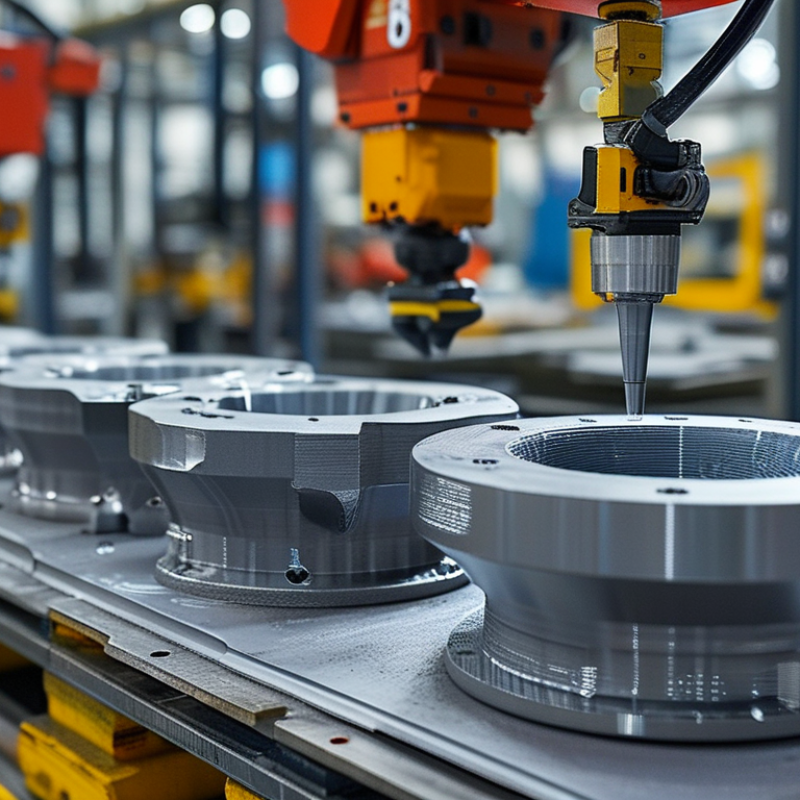
The landscape of 3D metal printing technologies is expected to undergo significant changes by 2026. Innovations in materials and processes are on the horizon. According to a recent report by Wohlers Associates, the metal 3D printing market is projected to grow to $3.5 billion by 2026, driven by advancements in additive manufacturing techniques.
One key development is the shift towards using more alloys and composites. This evolution allows for stronger, lighter parts. Research indicates that the improvement in metal powders will enhance the quality of printed components. Companies focusing on these new materials will likely gain a competitive edge.
Tip: When sourcing parts, assess the material capability of your supplier. This ensures that the components meet your quality standards.
Additionally, the integration of AI in quality control will help streamline production. Suppliers will utilize algorithms to detect defects early. This proactive approach addresses common concerns in 3D metal printing, reducing waste and cost overruns.
Tip: Establish clear communication with your provider about quality expectations. This lays the groundwork for a successful partnership.
As the industry moves forward, remaining informed about these technological shifts is crucial. Understanding the evolving landscape will aid in sourcing quality parts effectively. Embrace the uncertainty, as not all processes will be flawless. Continuous improvement should be the goal.
Key Factors Influencing Quality in 3D Metal Printed Parts
Quality in 3D metal printing hinges on several crucial factors. Material selection stands out as paramount. Different alloys yield various mechanical properties and thermal responses. Understanding these nuances ensures the right fit for specific applications. The printing process itself also plays a significant role. Parameter settings, like layer thickness and print speed, directly affect the outcome. Each decision can lead to variations in strength and precision.
Post-processing methods cannot be ignored. They enhance the final part's surface finish and structural integrity. Techniques such as heat treatment or surface polishing offer substantial benefits. Yet, they also introduce complexities. Inconsistent post-processing might compromise part quality, leading to unpredictable results. Companies often grapple with these challenges, striving for perfection.
Lastly, quality control must be an ongoing effort. Regular inspections and testing help identify defects early. Many manufacturers still overlook this critical phase. A robust quality assurance system can mitigate risks. Adopting these practices makes the difference between a mediocre part and one that performs optimally in real-world applications. Understanding these factors not only improves output but also builds trust in the manufacturing process.
Assessing Material Properties for Optimal Performance in 2026
In 2026, sourcing quality 3D metal printed parts requires a deep understanding of material properties. The right material can significantly impact the performance and longevity of a component. For instance, metals like titanium and aluminum alloys are prized for their strength-to-weight ratios. According to a recent industry report, parts made with advanced aluminum alloys can exhibit up to 30% improved fatigue resistance compared to standard options.
When assessing materials, consider their thermal properties. The thermal conductivity of a material can dictate how it handles heat during operation. For example, copper alloys are particularly noted for their excellent thermal conductivity, which can be crucial in high-performance applications. However, keep in mind that the increased conductivity may also lead to higher thermal expansion, which can affect precision during use.
**Tip:** Always ask for material test reports. These documents can help verify properties. Look for details on mechanical and thermal characteristics.
Another factor is surface finish. The finishing process can enhance wear resistance and reduce friction. It's essential to weigh the cost of advanced finishing techniques against expected performance. Some techniques, like shot peening, may provide benefits but come at a significant price.
**Tip:** Evaluate trade-offs between surface treatment costs and expected life of the part. Consider the long-term value rather than just upfront expenses.
Evaluating Manufacturers: Quality Certifications and Standards in 3D Printing
In 2026, sourcing quality 3D metal printed parts demands careful evaluation of manufacturers. One key aspect is their adherence to recognized quality certifications and standards. These indicators can significantly reflect their manufacturing processes and capabilities. Look for certifications like ISO 9001, which ensures that the manufacturer meets international quality management standards. Compliance with such standards indicates a commitment to quality and continuous improvement.
Tips: Always ask manufacturers about their quality control processes. Understand how they test and validate their parts. This can provide insights into their reliability.
It's also crucial to explore industry-specific standards like AS9100 for aerospace applications. Such certifications demonstrate expertise in sectors where precision is critical. However, don't overlook the manufacturer’s previous projects and customer feedback. Reviews can reveal the real-world performance of parts.
Tips: Consider requesting samples before placing large orders. Evaluate these samples for quality and precision. This way, you gain first-hand experience with the manufacturer's capabilities.
Cost Analysis: Budgeting for High-Quality 3D Metal Printed Components
When budgeting for high-quality 3D metal printed components, understanding cost factors is essential. Material selection significantly impacts costs. Stainless steel and titanium might be pricier than aluminum. The intricacies of design also play a pivotal role. Complex geometries require more time and resources, driving up expenses. The manufacturing process itself can vary in cost. Different techniques, such as laser sintering, may involve higher operational costs.
Labor and overhead often get overlooked. Skilled technicians are needed for quality assurance. This expertise comes at a price. Furthermore, post-processing steps can add to the budget. Techniques like surface finishing improve part quality but may incur additional costs. Possibly consider how volume discounts play into your total expenditure. Buying in bulk may reduce unit price, but it also requires upfront investment.
Being aware of these nuances helps in making informed decisions. It is crucial to assess the intended application of the parts. Sometimes, cheaper options may suffice. Focus on balancing budget constraints with the need for quality. Reflection is necessary. Are you prioritizing short-term savings over long-term reliability? This consideration could affect overall project success. Always review your assumptions and be willing to adjust your approach as necessary.