Top 10 Rapid Prototyping Materials for Global Buyers?
Rapid prototyping is revolutionizing the manufacturing industry. Today, buyers face a multitude of options, but selecting the right materials can be daunting. Dr. Emily Carter, a leading expert in rapid prototyping, emphasizes, “Choosing the right rapid prototyping materials can make or break your project.” Her insights highlight the critical role materials play in developing prototypes efficiently and effectively.
The landscape of rapid prototyping materials is vast and diverse. From plastics to metals, each material yields different results. This variability presents both opportunities and challenges for designers and engineers. Understanding the qualities and limitations of each type is essential. For instance, while some materials offer speedy fabrication, they may lack durability or finish quality. These trade-offs make knowledge about materials vital for successful prototyping.
Investing in quality rapid prototyping materials is crucial. It can lead to innovative designs and quicker time-to-market. However, a misstep in material choice can lead to unnecessary delays and wasted resources. As the industry evolves, staying informed about new materials and their applications becomes even more important. This knowledge ultimately influences the success of prototypes across various sectors.
Overview of Rapid Prototyping Materials
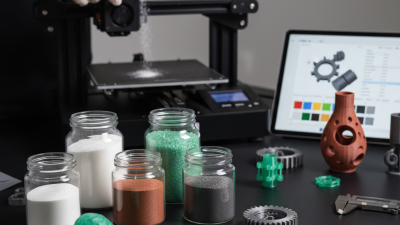
Rapid prototyping materials are critical in product development. They allow designers and engineers to create models quickly, enabling faster iteration and refinement. Various materials serve different needs, from aesthetic models to functional prototypes. Understanding these options is essential for global buyers seeking efficiency and quality.
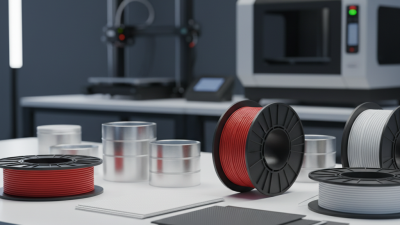
Common materials include PLA and ABS plastics, widely used in 3D printing for their versatility. These plastics are easy to work with and cost-effective. However, they may not offer the durability required for final products. Alternatives like nylon provide higher strength and flexibility, making them suitable for more demanding applications. Yet, their processing can be complex, requiring specialized equipment.
Metal and resin materials also play a vital role in rapid prototyping. Metal parts achieve greater precision and durability. However, the cost is often a barrier for some users. Resins, particularly for SLA printing, enable intricate details and smooth finishes, but they can be brittle under stress. Buyers must weigh these trade-offs to choose the right materials for their projects. Selecting the ideal material is not merely a choice; it’s an ongoing journey of learning and adaptation.
Key Factors to Consider When Choosing Prototyping Materials
When selecting prototyping materials, buyers must consider several key factors. Cost-effectiveness plays a crucial role. Budget constraints can significantly influence your material choice, impacting the overall project timeline. Rapid prototyping often requires a delicate balance between quality and expense, so analyzing materials that fit within your financial limits is critical.
The material's mechanical properties also deserve attention. Different prototypes require varying levels of strength, flexibility, and durability. For example, some projects might demand high impact resistance, while others require a lightweight approach. Understanding these requirements can inform better material selection.
Another essential factor is the intended use of the prototype. Some materials may excel in visual aesthetics but lack functionality. On the contrary, others may offer robustness but fall short in appearance. Buyers should reflect on the specific goals and needs of their prototypes. This requires careful consideration and sometimes leads to imperfect choices that prompt further reflection.
Top 10 Rapid Prototyping Materials for Global Buyers
| Material |
Type |
Applications |
Pros |
Cons |
Cost |
| PLA (Polylactic Acid) |
Thermoplastic |
FDM 3D Printing |
Biodegradable, Easy to print |
Low heat resistance |
$20/kg |
| ABS (Acrylonitrile Butadiene Styrene) |
Thermoplastic |
FDM 3D Printing |
Durable, Good impact resistance |
Can warp during printing |
$25/kg |
| PETG (Polyethylene Terephthalate Glycol-Modified) |
Thermoplastic |
FDM 3D Printing |
Strong, Flexible |
Requires careful printing settings |
$30/kg |
| Nylon |
Thermoplastic |
FDM 3D Printing, SLS |
Strong, Chemical resistant |
Difficult to print, Absorbs moisture |
$40/kg |
| Resin (SLA) |
Liquid |
SLA 3D Printing |
High detail, Smooth finishes |
Brittle, Requires post-processing |
$100/liter |
| Metal Powder (SLS) |
Powder |
SLS Printing |
Strong, Heat resistant |
Expensive, Requires specialized equipment |
$300/kg |
| Foam |
Composite |
CNC Machining |
Lightweight, Easy to shape |
Less durable |
$15/kg |
| Ceramic |
Composite |
3D Printing, CNC Machining |
High temperature resistance, Aesthetic finishes |
Brittle, High cost |
$100/kg |
| Wood Filament |
Composite |
FDM 3D Printing |
Natural look, Easy to work with |
Can clog nozzles, Limited strength |
$28/kg |
Top 10 Rapid Prototyping Materials and Their Applications
Rapid prototyping materials play a crucial role in product development. These materials can significantly impact the quality and speed of prototypes. Selecting the right material depends on the project's specific requirements, including durability and flexibility.
A common choice is PLA, a biodegradable plastic. This material is widely used for its ease of printing and reasonable strength. However, PLA can be brittle, leading to challenges in certain applications. On the other hand, ABS offers greater toughness and heat resistance. Yet, it requires careful temperature control during printing to avoid warping.
Another option is resin, often used in stereolithography. Resin provides high detail and smooth finishes but can be costly and less forgiving during handling. Nylon is another versatile choice. Known for its strength, it works well in functional prototypes; nonetheless, it can absorb moisture, which may affect its properties. Each material presents unique benefits and drawbacks, challenging users to choose wisely based on their needs.
Comparative Analysis of Material Properties and Costs
The choice of materials for rapid prototyping is critical. Each material has unique properties that influence design and production processes.
Common options include plastics, metals, and ceramics, each presenting distinct challenges and benefits. For instance, thermoplastics are praised for ease of use and flexibility, while metals offer better thermal and mechanical properties.
Cost is another significant factor to consider. While high-performance materials might deliver superior results, they often come at a higher price. Selecting a cost-effective material can impact the overall budget without compromising quality.
It’s vital to weigh these trade-offs carefully. For example, while a cheaper plastic may suffice for preliminary designs, it could lead to issues in durability or performance later on.
One must also reflect on the lifecycle of these materials. Sustainable options can be more expensive upfront but may prove economical in the long run. Evaluating long-term impacts is essential. The complexity of material choices highlights the need for a nuanced approach, often requiring multiple rounds of testing and feedback before settling on the ideal solution.
Balancing cost, performance, and environmental impact is no small feat in the realm of rapid prototyping.
Future Trends in Rapid Prototyping Materials
The landscape of rapid prototyping materials is evolving swiftly. Emerging trends reveal a strong inclination toward sustainability and biocompatible materials. Designers and engineers are now prioritizing eco-friendly options. A shift in consumer preferences influences material choices. Innovations in biodegradable polymers gain traction, catering to environmentally conscious markets.
Metal-infused filaments are also on the rise. They offer enhanced strength and durability for prototypes. However, these materials can be more challenging to print. Users often require specialized equipment and techniques. This aspect raises questions about accessibility for smaller businesses. The balance between performance and usability remains crucial.
Furthermore, advancements in composites introduce greater versatility. Hybrid materials combine the best properties of plastics and metals. They enable complex geometries and lightweight designs. Yet, new technologies can increase production costs, making them less accessible. The debate continues on how to balance innovation with affordability. Buyers must consider these factors carefully.
Top 10 Rapid Prototyping Materials