Top 5 Benefits of Using Aluminum Bronze Powder in Industrial Applications?
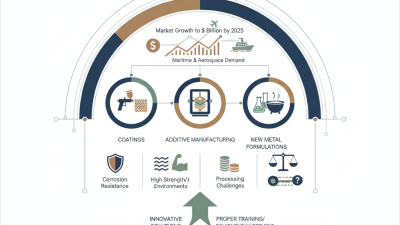
Aluminum Bronze Powder is gaining attention in industrial applications for its unique properties and benefits. Recent studies show that this material exhibits excellent corrosion resistance and high strength, making it a preferred choice for manufacturing robust components. According to a market analysis by Research and Markets, the global demand for aluminum bronze in various industries is expected to grow significantly, with projections indicating a market value exceeding USD 500 million by 2026.
Each application of Aluminum Bronze Powder reveals its potential. The powder is essential in producing enduring marine equipment and equipment in the oil and gas industry. Additionally, it is an attractive choice for 3D printing, where precision and durability are paramount. However, challenges exist in the fusion processes, which can affect the final product quality. Companies must adapt to these variables to optimize outcomes.
Overall, the advantages of using Aluminum Bronze Powder are clear. Professionals in manufacturing and engineering are increasingly recognizing its versatility. Gaining deeper insights into these benefits can help businesses improve production efficiency and overall performance. Exploring the implications of this material is crucial for staying competitive in the evolving industrial landscape.
Key Properties of Aluminum Bronze Powder for Industrial Use
Aluminum bronze powder is renowned for its unique properties, making it valuable in industrial applications. One notable aspect is its excellent corrosion resistance. This characteristic allows it to withstand harsh environments, especially in marine applications. The powder’s ability to resist wear and tear enhances its lifespan, providing longevity to products made from it.
Another key property is its high strength-to-weight ratio. This feature promotes the production of lightweight components without compromising strength. Industries can achieve efficient designs, reducing material usage while maintaining performance. Additionally, aluminum bronze powder provides excellent thermal conductivity, which is crucial for applications requiring heat dissipation.
While the benefits are significant, using aluminum bronze powder is not without challenges. The powder's behavior can vary during processing, leading to inconsistencies in the final product. It's essential to ensure proper handling and mixing techniques. Manufacturers must also consider the cost implications, as aluminum bronze can be pricier than standard materials. These factors call for careful planning in its application to fully leverage its advantages.
Enhanced Corrosion Resistance in Industrial Applications
Aluminum bronze powder is increasingly popular in various industrial applications. One of its most notable benefits is enhanced corrosion resistance. This property makes it suitable for environments where moisture and chemicals are prevalent. For instance, the marine industry relies on these materials to protect components from saltwater damage.
It's fascinating how aluminum bronze maintains integrity even in challenging conditions. Many manufacturers appreciate its durability and longevity. However, some users may overlook potential drawbacks. The initial cost can be higher than alternatives. Additionally, proper handling is crucial to maximize its benefits.
The application process can be demanding, requiring skilled labor. Users must understand the nuances to achieve the best results. This highlights the need for training and expertise. It’s not just about using a material; it’s about understanding its behaviors and limitations. Proper selection and usage will lead to better outcomes in corrosion resistance and overall performance.
Improved Wear Resistance Compared to Other Metal Powders
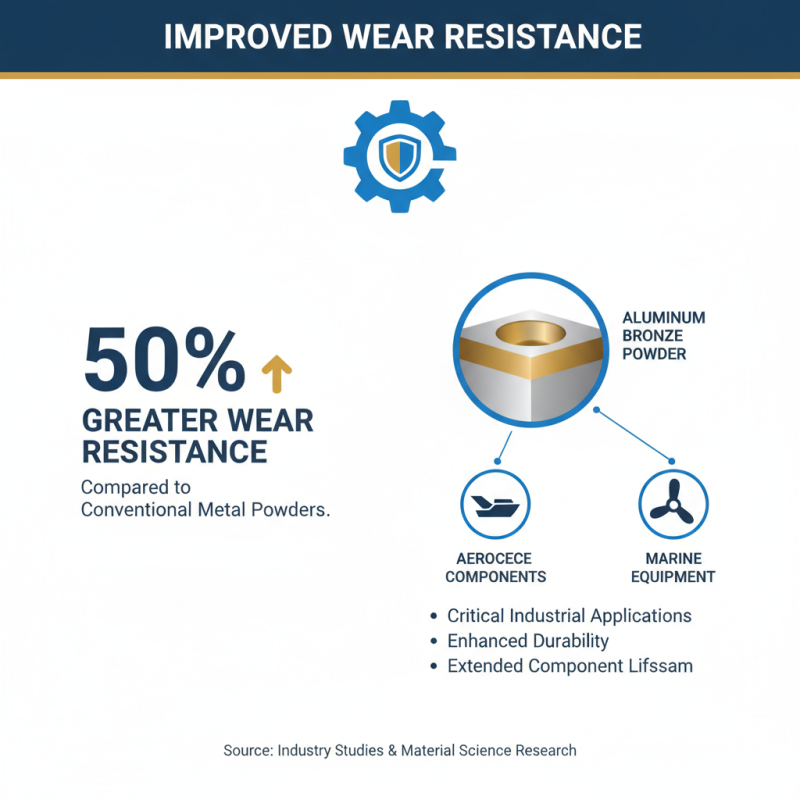
Aluminum bronze powder stands out due to its remarkable wear resistance when used in various industrial applications. This superior property is supported by studies indicating that aluminum bronze powders have a wear resistance up to 50% greater than conventional metal powders. Industries like aerospace and marine heavily rely on materials with such durability for critical components.
The unique microstructure of aluminum bronze contributes to its performance. This material consists of a mix of copper and aluminum, enhancing its toughness and corrosion resistance. Reports show that parts manufactured with aluminum bronze powder demonstrate not only wear resistance but also high fatigue strength, making them ideal in environments prone to abrasive wear. The longevity of these components can significantly reduce downtime and maintenance costs.
Despite these impressive attributes, challenges remain. The cost of aluminum bronze powder is often higher than that of standard metal powders. This could limit adoption in budget-sensitive projects. Companies must evaluate cost versus long-term benefits carefully. Nevertheless, the investment can lead to superior product performance, illustrating the need for a strategic approach to material selection. Using aluminum bronze powder could redefine standards in wear resistance across various manufacturing sectors.
Applications of Aluminum Bronze Powder in Various Industries
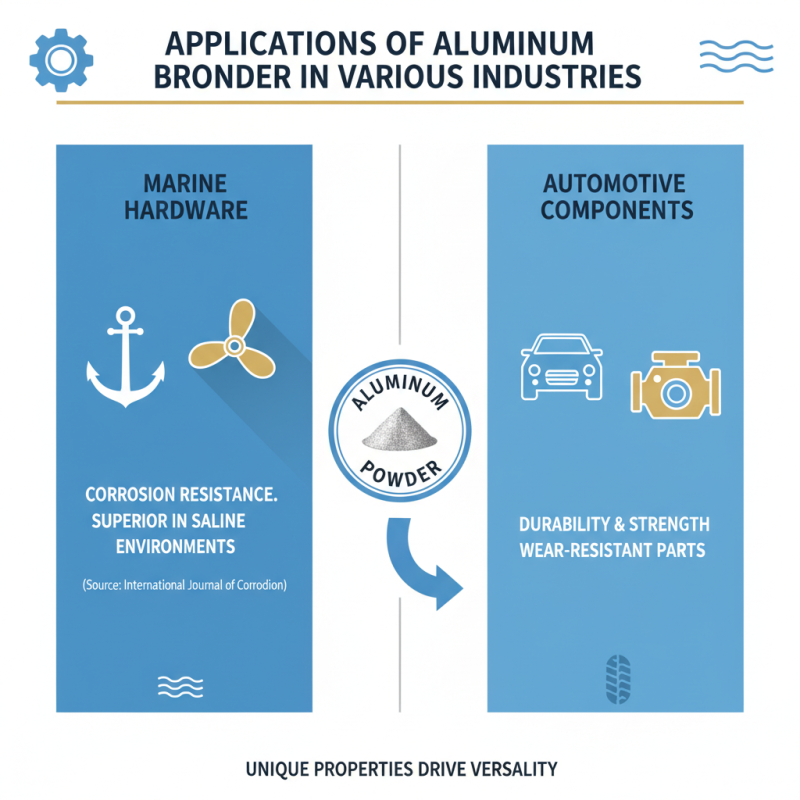
Aluminum bronze powder has gained traction across various industries due to its unique properties. Its applications range from marine hardware to automotive components. In marine applications, aluminum bronze's corrosion resistance is crucial. According to the International Journal of Corrosion, it shows superior performance in saline environments compared to other alloys.
In the automotive sector, lightweight materials are essential for fuel efficiency. Aluminum bronze powder, with its excellent strength-to-weight ratio, is increasingly used in engine parts. Studies by the Society of Automotive Engineers have noted that using aluminum bronze can enhance performance by reducing weight without sacrificing durability.
**Tip:** When using aluminum bronze powder, always consider the specific alloy composition. The properties can vary significantly based on the mixing ratios.
Furthermore, in the manufacturing of industrial machinery, aluminum bronze powder demonstrates excellent wear resistance. Applications include bearings and bushings. A report from ASTM International highlights its effectiveness in reducing friction and extending operational life.
**Tip:** Proper surface treatment of aluminum bronze components can optimize performance. This ensures better adhesion and extends the lifespan of the parts.
Aluminum bronze powder certainly offers advancements in various sectors, but stakeholders must remain mindful of the challenges in sourcing quality materials. Consistency and purity of the powder are essential factors that must be constantly evaluated to maintain industrial standards.
Cost-Effectiveness and Sustainability in Metal Powder Usage
Aluminum bronze powder is gaining traction in various industrial applications due to its cost-effectiveness. This material provides a durable solution without compromising on quality. Using aluminum bronze powder can reduce overall project costs significantly. Industries are now turning to metal powders instead of traditional alloys, often discovering substantial savings. This transition involves both direct material costs and reduced waste in manufacturing processes.
Sustainability is another critical factor. As industries move toward greener practices, aluminum bronze powder stands out. It can be recycled more efficiently, allowing for less environmental impact. Many companies are focusing on sustainable materials to appeal to eco-conscious consumers. The shift to this metal powder aligns with these goals, showcasing a commitment to responsible production. However, businesses must weigh the initial investment against long-term benefits. Is the trade-off worth it? Companies often find themselves questioning whether the upfront costs will translate to actual savings in their operations. These considerations highlight the need for careful planning and analysis in adopting new materials.
Top 5 Benefits of Using Aluminum Bronze Powder in Industrial Applications