Inquiry
Form loading...

Top 10 Rapid Prototyping Materials for Global Buyers?

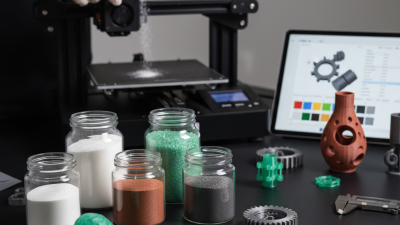
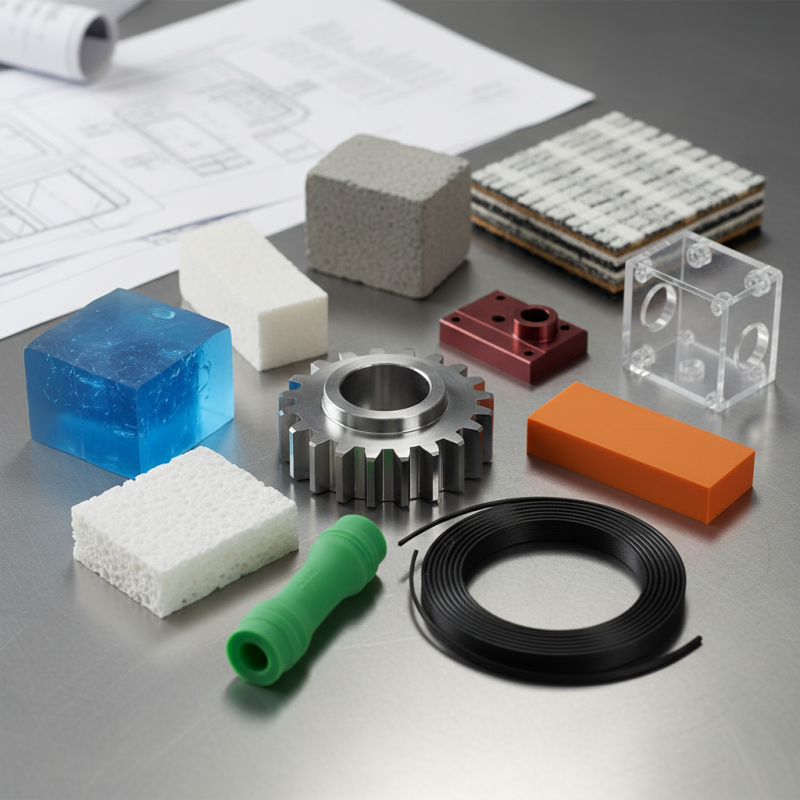
In the evolving world of manufacturing, choosing the right rapid prototyping materials is crucial. These materials significantly impact design, development, and final product quality. As global buyers explore options, understanding their unique properties is vital. Each material serves distinct purposes, from functional prototypes to intricate designs.

Recent innovations in rapid prototyping materials present opportunities and challenges. Buyers face a plethora of choices, including plastics, metals, and composites. The adaptability of these materials often leads to unexpected results. Some may not perform as expected, requiring adjustments in design or production processes. Evaluating the strengths and weaknesses of each option is essential for success.

Navigating the complexities of rapid prototyping materials can be overwhelming. Buyers must balance cost, availability, and suitability for their specific needs. A reflective approach will enhance decision-making and lead to better outcomes. Gaining insights from experts can further clarify the selection process, ensuring the chosen materials align with project goals.
Top 10 Rapid Prototyping Materials for Global Buyers?

Overview of Rapid Prototyping and Its Importance in Manufacturing

Rapid prototyping has become a vital aspect of modern manufacturing. Its significance lies in accelerating product development cycles. This technique allows designers to transform ideas into tangible models swiftly. Prototyping helps visualize concepts and test functionality early in the design process. It reduces costs and mitigates risks by identifying flaws before mass production.

Moreover, rapid prototyping encourages innovation. Engineers and designers can explore various materials and methods efficiently. Experimentation is crucial; however, it also presents challenges. The selection of appropriate materials can be daunting. Many options exist, each with distinct properties and behaviors. Balancing speed and quality is not always straightforward. Learning from failed prototypes is essential for improvement.

As global competition intensifies, rapid prototyping becomes indispensable. It enables companies to meet market demands swiftly. Nevertheless, it requires a mindset of continuous learning and adaptation. Embracing both successes and failures fosters a culture of innovation. Accurate assessments of each prototype's performance guide future decisions. Ultimately, the journey of rapid prototyping is both rewarding and complex.

Top 10 Rapid Prototyping Materials

Material Application Advantages Disadvantages Cost (per kg)
PLA (Polylactic Acid) Consumer products, prototypes Biodegradable, easy to print Low heat resistance $2 - $5
ABS (Acrylonitrile Butadiene Styrene) Automotive and consumer products Durable, good impact resistance Requires post-processing $1.50 - $4
PETG (Polyethylene Terephthalate Glycol) Medical devices, containers Chemical resistance, flexible Less rigidity compared to ABS $2 - $6
Nylon (Polyamide) Functional prototypes, gears Strong and durable Difficult to print, warps easily $10 - $20
Resin (SLA) High-detail prototypes High precision, smooth finish Brittle, longer curing times $50 - $200
Metal Infused Filaments Jewelry, art Metal-like finish, weight Higher cost, harder to print $25 - $75
Flexible Filament (TPU) Wearable items, phone cases Flexibility, impact resistant Requires specific printer settings $20 - $60
Composite Materials Aerospace, automotive parts High strength-to-weight ratio Costly, complex processing $50 - $150
Wood Filament Decorative items, furniture Natural look, biodegradable Requires special settings, lower strength $15 - $30

Key Characteristics of Effective Rapid Prototyping Materials

Selecting the right materials for rapid prototyping is essential for effective designs and end products. Key characteristics play a critical role in this selection process. First, consider the material’s durability. It should withstand handling and testing without significant wear. A robust prototype can provide valuable insights into the final product's functionality.

Another important factor is ease of machining. Some materials can be easily cut, shaped, and refined. This flexibility allows designers to create intricate details. For instance, materials with good thermal resistance can handle heat during processing, which is a bonus during prototyping. Moreover, consider the material's cost. Economical options may require trade-offs in quality.

The speed of prototyping directly correlates with the choice of material. A good material accelerates the production process. However, not every option works for every project. It's vital to assess the material's compatibility with your design’s requirements. Testing different options can lead to unexpected insights, helping refine the final product design.

Top 10 Rapid Prototyping Materials and Their Properties

Rapid prototyping is key for product development. Various materials offer unique properties. Here are some leading options.

SLA resin is popular for its high detail. It is ideal for intricate models. However, it may be brittle. Consider the application. ABS is appreciated for its toughness. It’s easy to machine, yet it can warp if heated during printing.

Tips: Always test materials for specific needs. A small part can reveal much. TPU is flexible and resilient. However, achieving the right shore hardness requires precise calibration.

PLA stands out due to its eco-friendliness. It prints well at lower temperatures. Its downside? It can be less durable than other materials. Evaluate longevity based on usage.

Nylon is strong, ideal for mechanical parts. It is challenging to print correctly. Track the print environment carefully. Polycarbonate offers great impact resistance but needs high temperatures during printing. Adjust settings accordingly.

In conclusion, every material has its strengths and weaknesses. Choose wisely for successful prototypes.

Applications of Rapid Prototyping Materials Across Industries

Top 10 Rapid Prototyping Materials for Global Buyers?

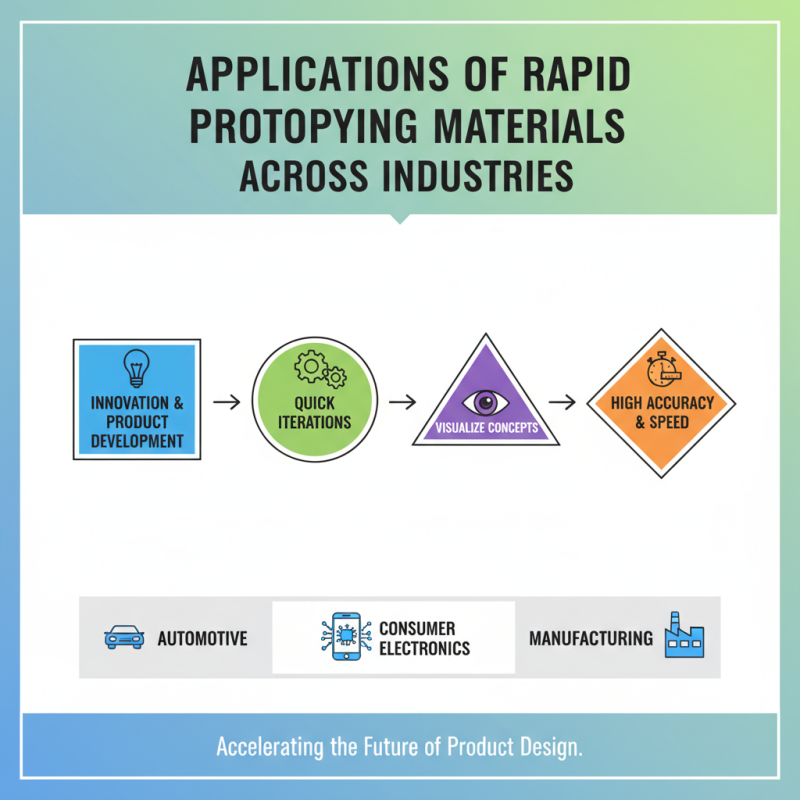
Rapid prototyping materials play a vital role across various industries. They support innovation and product development. From automotive to consumer electronics, these materials enable quick iterations. Designers can visualize concepts before moving to production. High accuracy and speed are essential in today’s fast-paced market.

In the aerospace sector, lightweight materials are crucial. They reduce fuel consumption and improve efficiency. Industries often require durable and heat-resistant options for prototypes. In medical fields, biocompatible materials are increasingly preferred. They help in creating parts for implants and custom prosthetics. This application reveals the importance of safety and performance in prototypes.

Tip: When selecting materials, consider the intended application. Each industry has unique requirements. Experimenting with different materials can yield surprising results. Be open to adjusting designs based on material properties. Understanding limitations and strengths is key. This reflection can lead to better outcomes and refined processes.

Considerations for Choosing the Right Prototyping Material

Choosing the right prototyping material is crucial for achieving desirable outcomes. Many factors influence this decision. The nature of the project, required accuracy, and the intended use of the prototype all play a significant role. According to a 2022 report by SmarTech Analysis, the global rapid prototyping materials market is projected to reach $3.5 billion by 2025, reflecting the growing demand for diverse materials.

Materials vary tremendously in properties. For instance, thermoplastics suit functional testing due to their durability. On the other hand, photopolymers excel in achieving intricate designs. A study by Wohlers Associates highlights that 56% of designers prioritize material availability before selecting a prototyping method. However, this focus can sometimes lead to overlooking critical aspects such as post-processing needs and finishing techniques.

Cost is another pivotal consideration. While some materials may seem cost-effective upfront, subsequent processing can increase overall expenses significantly. Certain materials can warp or degrade under specific conditions, prompting a need for further research. Many prototypers find themselves reflecting on their choices after conducting tests. The right material can enhance the prototyping experience, influencing the final product's success.

Top 10 Rapid Prototyping Materials