Why Choose Fire Brick Material for Your Next Project?
As construction materials evolve, the significance of choosing the right components has never been more critical. Experts in the industry consistently point to "Fire Brick Material" as a top choice for various projects. James Parker, a renowned materials engineer, asserts, "Using quality fire brick material can save you time and money in the long run."
Fire bricks offer exceptional durability and resistance to high temperatures. They are perfect for fireplaces, kilns, and pizza ovens. Their ability to withstand intense heat makes them a reliable choice for both residential and commercial projects. However, it's worth noting that not all fire bricks are created equal. Understanding the specific needs of your project is essential.
While fire brick material can be more expensive than traditional bricks, the performance justifies the investment. Many projects suffer from choosing inferior materials, leading to costly repairs later. Each project presents unique challenges, and fire bricks may not always be the only solution. It's vital to evaluate all aspects, including cost, durability, and project requirements, before making your decision.
Benefits of Using Fire Brick Material in Construction Projects
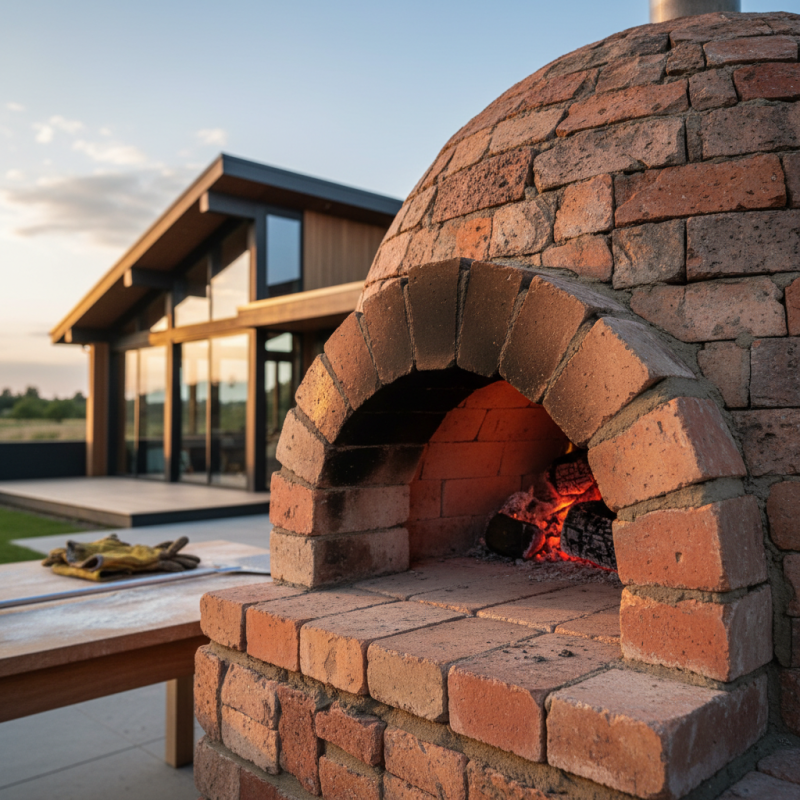
Fire brick material is an excellent choice for construction projects, particularly in high-temperature environments. These bricks are designed to withstand extreme heat, making them ideal for fireplaces, kilns, and industrial furnaces. Unlike regular bricks, fire bricks have a higher alumina content, which enhances their durability and thermal resistance.
Using fire bricks offers various benefits. They provide good insulation, which helps maintain temperature within ovens or kilns. This feature can enhance energy efficiency and contribute to cost savings in the long run. Fire bricks also resist cracking and spalling over time, making them a reliable choice for structures exposed to harsh conditions. A well-constructed fire brick structure can last for decades, reducing the need for repairs or replacements.
Tips for your project: Always ensure proper installation of fire bricks to maximize their effectiveness. Seek professional advice if unsure about material selection. Testing the bricks for thermal performance before full-scale use can help identify potential issues. Regular inspections will ensure that the structure remains sound and effective over time.
Key Properties of Fire Brick That Enhance Durability and Performance
Fire bricks are a top choice for various construction projects. Their unique properties set them apart from regular bricks. Fire bricks are designed to withstand high temperatures without degrading. This makes them ideal for fireplaces and kilns, where intense heat is a constant.
One key advantage of fire bricks is their thermal insulation. They help maintain a stable temperature, which enhances energy efficiency. Many people overlook this feature, but it can lead to significant savings in fuel costs. Additionally, fire bricks have low thermal conductivity, meaning they can absorb heat slowly and release it gradually. This property enhances the overall performance of structures built with them.
However, choosing fire bricks is not without its challenges. They can be heavier and more expensive than standard bricks. Proper installation requires skilled labor, which can increase project costs. Consequently, careful planning is vital. Assessing the specific needs of your project helps determine if fire bricks are the best option. Evaluating durability and performance can lead to better decision-making in construction.
Key Properties of Fire Brick Material That Enhance Durability and Performance
Applications of Fire Brick Material in Various Industries
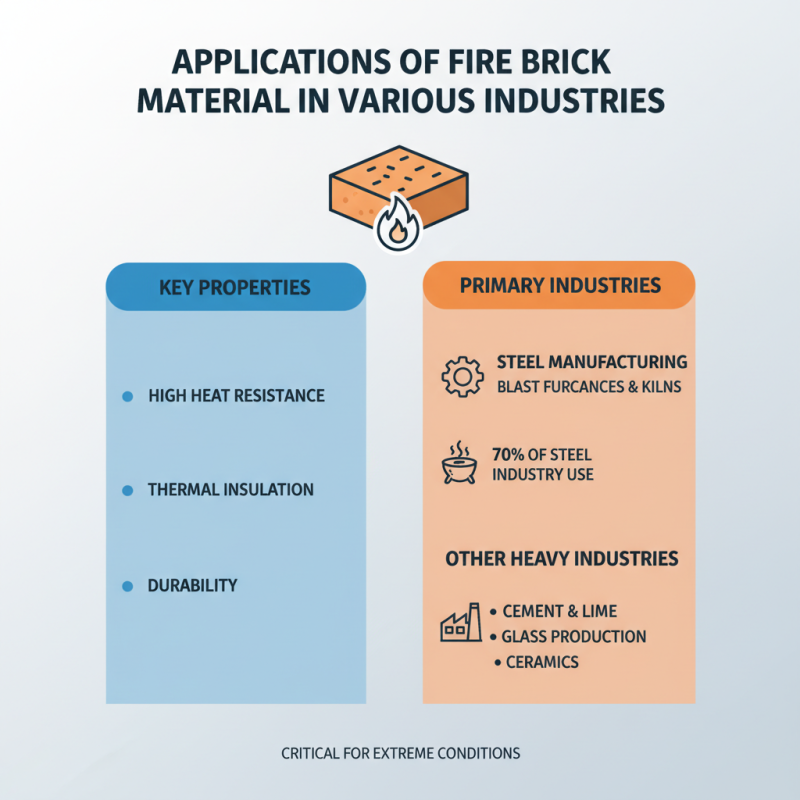
Fire bricks, known for their high heat resistance, are indispensable in various industries. In the steel manufacturing sector, fire bricks play a critical role in blast furnaces and kilns. Research shows that nearly 70% of the steel industry employs some form of fire brick, facilitating efficient heat retention and durability in extreme conditions.
In the ceramics industry, fire bricks withstand high temperatures during firing processes. A report by the International Ceramic Federation highlights that over 60% of factories rely on fire bricks in their kilns. This reliance underscores their essential function in ensuring product quality and consistency. However, there are challenges; the proper selection of fire brick types can be complicated due to varying thermal stability and chemical resistance requirements.
Furthermore, fire bricks are also utilized in the energy sector, particularly in coal-fired power plants. An analysis indicates that around 45% of power plants use specialized fire bricks in their furnaces. These applications highlight their importance but also bring to light issues of supply chain sustainability and the need for innovation in materials. With lingering questions about environment-friendly alternatives, the industry must adapt to changing regulations and expectations.
Cost-Effectiveness of Fire Brick Compared to Alternative Materials
Fire brick material stands out for its cost-effectiveness compared to alternative materials. While initial expenses may seem high, fire bricks prove durable over time. They resist high temperatures, making them ideal for fireplaces and kilns. This longevity contributes to lower replacement costs.
When comparing fire bricks to other materials, the savings become evident. Traditional bricks degrade under intense heat, requiring frequent replacements. Fire bricks, however, maintain their integrity longer. Despite slightly higher upfront costs, the overall investment pays off through reduced maintenance.
A potential drawback is their weight. Fire bricks can be cumbersome, making installation more challenging. This factor can increase labor costs. Businesses should consider these aspects while planning their projects. Proper evaluation of all factors ensures effective budgeting. The price advantage of fire bricks is clear, but it is crucial to weigh all sides before making a decision.
Why Choose Fire Brick Material for Your Next Project? - Cost-Effectiveness of Fire Brick Compared to Alternative Materials
| Material Type |
Average Cost per Square Foot ($) |
Durability (Years) |
Thermal Resistance (°F) |
Maintenance Level (1-10) |
| Fire Brick |
$3.50 |
50+ |
2,500 |
3 |
| Concrete Block |
$2.00 |
30 |
1,000 |
5 |
| Refractory Panel |
$4.00 |
25 |
2,200 |
6 |
| Insulated Brick |
$3.75 |
40 |
1,800 |
4 |
Installation and Maintenance Considerations for Fire Brick Projects
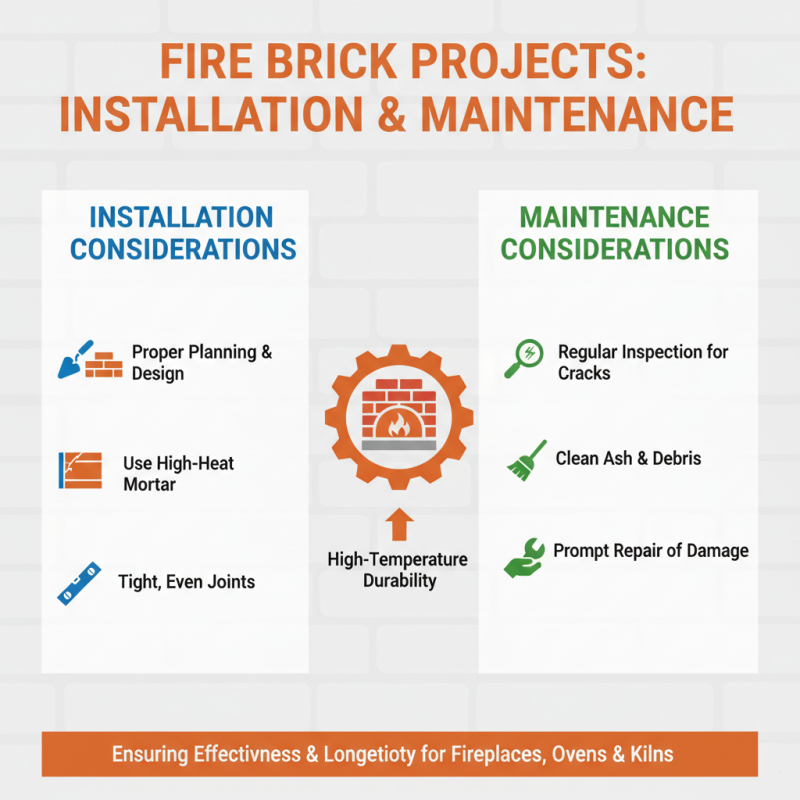
When considering fire brick for your project, installation and maintenance are critical. Fire bricks are designed to withstand high temperatures, making them ideal for fireplaces, ovens, and kilns. However, proper installation is essential to ensure their effectiveness and longevity.
Using a mortar designed for high heat can help secure the bricks in place effectively. Pay attention to joint spacing. Too wide a gap can weaken the structure. On the other hand, make sure the bricks are not too close, as expansion may occur with high heat.
Maintenance is also crucial for fire brick installations. Inspect your setup regularly for cracks or wear. Small issues can lead to larger problems if neglected. Cleaning soot and ash buildup can extend the life of your fire bricks. Use a wire brush or vacuum cleaner to keep surfaces clear.
**Tips:** Always wear gloves when handling fire bricks. They can have sharp edges. Be cautious when working with high temperatures. Proper ventilation can help prevent fumes from accumulating.