2026 Top Trends in 3D Metal Powder Technology Innovations?
As the industry of 3D Metal Powder technology evolves, innovation takes center stage. Experts in the field, like Dr. Emily Carter from Advanced Materials Group, emphasize the importance of advancements. She once stated, “The potential of 3D Metal Powder is limitless, yet we must address the challenges that come with it.”
In 2026, the trends in 3D Metal Powder technology promise to reshape manufacturing processes. Businesses are increasingly leveraging these innovations for efficiency and sustainability. However, the path is not without obstacles. Experts highlight the need for improved powder production methods and material performance.
The future of 3D Metal Powder technology lies in collaboration between researchers and industry leaders. With ongoing development, we will see enhancements in quality and applications. Yet, the community must reflect on the ethical implications of these advancements. Balancing innovation with responsibility will define the next era in this dynamic sector.
Emerging Technologies in 3D Metal Powder Production Methods
The landscape of 3D metal powder technology is rapidly evolving. New production methods are emerging, reshaping industries. One innovative approach is the use of advanced atomization techniques. These methods enhance powder quality. They significantly reduce impurities, increasing the reliability of the final products.
Another noteworthy development involves recycling metal powders. This process conserves resources and lowers costs. However, challenges remain in maintaining powder properties during recycling. Variations in particle size can impact printability. Additionally, ensuring consistent quality across batches is crucial for industrial applications.
Digital technologies are also transforming production methods. Automated systems improve precision and speed in powder manufacturing. Yet, the integration of these systems requires a skilled workforce. Training staff to adapt to these technologies is essential. Balancing automation with human expertise remains a critical hurdle for many companies.
Advancements in Powder Characterization Techniques for 3D Printing
Advancements in powder characterization techniques are pivotal for the evolution of 3D metal powder technology. High-quality powder is essential for precision in 3D printing. Recent industry reports indicate that over 60% of defects in printed parts stem from poor powder properties. Consequently, improving characterization techniques can significantly elevate product quality and performance.
New methods, such as laser diffraction and X-ray tomography, allow for detailed analysis of powder morphology and distribution. This detailed understanding helps manufacturers select the right powder for specific 3D printing applications. Additionally, techniques like dynamic light scattering provide insights into particle size distribution, which is crucial for achieving uniform layers in the printing process. The global market for metal 3D printing is projected to reach $9.3 billion by 2025, emphasizing the urgency for high-quality powder innovations.
Tips: Always verify powder specifications before use. Prioritize suppliers who provide comprehensive characterization data. Consider investing in advanced analysis tools to ensure that the powders meet your project's specific needs. Regular assessments of powder properties can mitigate risks of defects and improve the overall efficiency of the production process.
Sustainability Trends in Metal Powder Manufacturing and Recycling
Sustainability in metal powder manufacturing is gaining significant attention. The reliance on natural resources for production has raised environmental concerns. Manufacturers are now exploring innovative ways to reduce waste and energy usage. They aim to minimize their carbon footprint. Recycling metal powders can play a pivotal role in achieving these goals.
Recycling methods, such as powder reuse and reprocessing, are emerging practices. These processes can help extend the lifecycle of metal powders. However, quality control remains a challenge. Ensuring the recycled powder meets industry standards is crucial. There are instances of contamination or degradation during recycling. This reflects the need for advancements in recycling technologies.
Another area of focus is energy consumption. Metal powder production can be energy-intensive. Companies are seeking alternative energy sources. Solar and wind energy can be explored to power manufacturing plants. Nevertheless, the transition requires investment and time. The journey toward sustainability in metal powder technology is not without hurdles but offers opportunities for significant progress.
Impact of AI and Machine Learning on 3D Metal Printing Processes
The rise of 3D metal printing has been significantly influenced by advancements in artificial intelligence (AI) and machine learning. These technologies optimize printing processes in various ways. They enhance material properties for better performance, which is crucial in industries like aerospace and automotive. AI algorithms can predict potential defects during the printing process, allowing for real-time adjustments. This means fewer hours spent on post-processing and reduced material waste.
Integration of AI tools is not without challenges. Many users report a learning curve when adopting these technologies. Misalignment between human understanding and machine recommendations can lead to errors. Moreover, data dependency raises questions about security and accessibility. As AI systems learn from data, maintaining data integrity becomes paramount. A failure in data quality can compromise print quality and overall effectiveness.
Machine learning helps in identifying optimal parameters for different materials. This reduces trial and error, enabling quicker turnaround times. However, over-reliance on these technologies might stifle creativity and traditional craftsmanship. There is value in human intuition that machines cannot replicate entirely. As AI continues to evolve, finding a balance between automation and human expertise will be critical for the future of 3D metal powder technology.
2026 Top Trends in 3D Metal Powder Technology Innovations
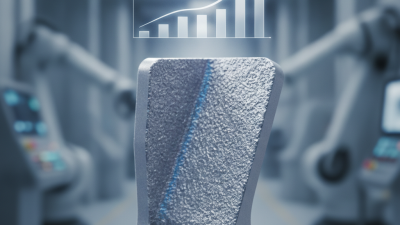
This chart illustrates the anticipated advancements in 3D metal powder technologies over the next few years, specifically focusing on the impact of AI and machine learning on 3D metal printing processes. The data highlights key areas of innovation that are expected to drive growth and transformation in the industry.
Future Applications of 3D Metal Powder in Aerospace and Automotive Industries
The aerospace and automotive industries are transforming with 3D metal powder technology. This innovation allows for lightweight components, which are crucial for fuel efficiency. In aerospace, parts produced via this method can withstand extreme conditions. They often require fewer materials, which reduces waste. Complex geometries are achievable, enhancing performance in critical applications.
Companies are exploring new metal alloys. These materials aim to improve durability and corrosion resistance. However, challenges persist in standardizing processes for these innovative powders. The adoption of this technology will grow, but consistency in quality is vital. Not all designs translate perfectly to 3D printing. Prototyping remains essential to identify potential issues early.
**Tips:** When considering 3D metal powder for your projects, focus on material properties. Evaluate the specific requirements of your application. Always conduct thorough testing before full production. Remember, not every design will thrive in transition to additive manufacturing. Embrace adaptation as part of the journey.
2026 Top Trends in 3D Metal Powder Technology Innovations
| Trend |
Description |
Potential Impact |
Industries Affected |
| Advanced Alloy Development |
Research into new metal alloys specifically engineered for 3D printing to maximize strength and reduce weight. |
Improved performance of components in high-stress environments. |
Aerospace, Automotive |
| Recycling of Metal Powders |
Innovations in recycling technology to reclaim and reuse metal powders, leading to sustainable practices. |
Cost reduction and environmental benefits. |
Manufacturing, Automotive |
| Customized Production |
The ability to create tailored components through digital design software integrated with 3D metal printing. |
Increased product performance and consumer satisfaction. |
Aerospace, Automotive |
| Process Automation |
Integration of AI and machine learning to automate the production processes in 3D metal printing. |
Higher efficiency and reduction in human error. |
Manufacturing, Aerospace |
| Material Testing Innovations |
Advancements in testing methods for 3D printed metal parts to ensure safety and reliability. |
Enhanced safety standards in production. |
Aerospace, Automotive |