2026 Top Sintered Aluminium Powder for Global Buyers?
The global market for Sintered Aluminium Powder is evolving rapidly. By 2026, demand is projected to increase significantly, driven by advancements in various industries. According to a recent report from MarketsandMarkets, the Sintered Aluminium Powder market could reach $1.2 billion by 2025, reflecting a compound annual growth rate (CAGR) of 7.2%. Industry expert Dr. Emily Chen emphasizes, "The application of sintered aluminium in aerospace and automotive is transforming material usage."
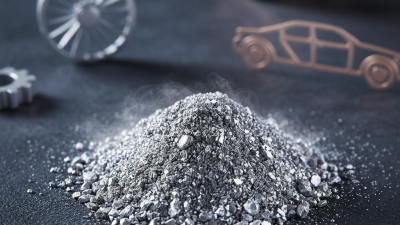
Sintered Aluminium Powder is vital for creating lightweight, high-strength components. This material improves performance while reducing overall weight, which is crucial for many applications. In the automotive industry, lighter materials can enhance fuel efficiency. However, challenges remain. The production process requires precise control to avoid defects, which can lead to higher costs.
Many manufacturers face a learning curve in optimizing sintered aluminium production. As the market grows, companies must invest in technology and training. Failure to adapt could hinder competitiveness. Proper understanding and implementation of Sintered Aluminium Powder will be essential for future innovations and market leaders.
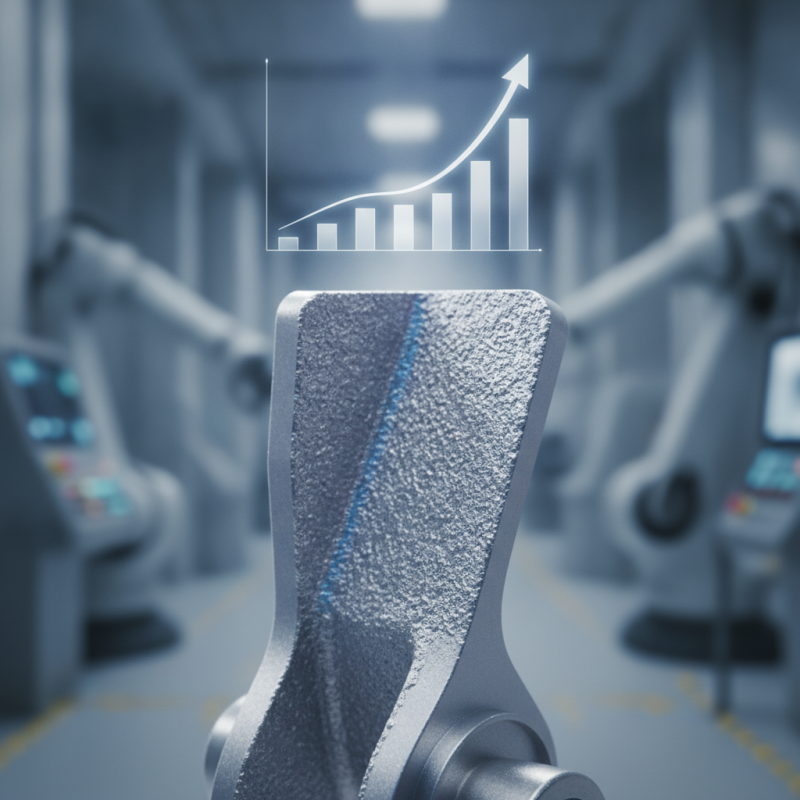
Overview of Sintered Aluminium Powder Market Trends for 2026
The sintered aluminium powder market is rapidly evolving. In 2026, trends indicate a shift toward
increased demand. This is driven by advancements in manufacturing and the need for
lightweight materials. Industries such as aerospace and automotive are looking for
alternatives that offer better performance.
Emerging technologies are enhancing the production process. Improved methods lead to
finer particles with uniform distribution. This can increase the
strength and durability of the final products. However, quality control remains
a critical focus. Manufacturers need to ensure consistency to meet industry standards.
Challenges do exist in this market. Several companies face issues with sourcing raw materials sustainably.
Environmental concerns are growing, pushing for greener alternatives.
Thus, while the market outlook is promising, companies must navigate these complexities.
Balancing innovation with responsibility is essential for future success.
Key Characteristics and Benefits of Sintered Aluminium Powder
Sintered aluminium powder stands out in various industries due to its unique characteristics. This material is known for its lightweight nature and high strength. According to a recent report from MarketsandMarkets, the global aluminium powder market is projected to reach $XX billion by 2026, demonstrating increasing demand driven by its application in automotive and aerospace sectors.
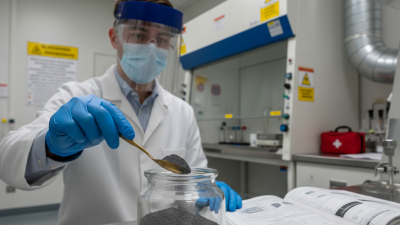
One key benefit of sintered aluminium powder is its excellent thermal conductivity. This quality enhances performance in heat management applications. The powder can also be further processed without losing its properties, making it appealing for manufacturers. However, sourcing high-quality sintered aluminium can be challenging. Ensure your suppliers adhere to rigorous quality standards, as variations in purity can affect performance.
Tips: Always evaluate the performance metrics that matter most to your applications. Work closely with suppliers to understand the characteristics of their materials. Consider trialing small batches before scaling up production. In the evolving market landscape, staying informed is crucial. The demands for sustainability and efficiency continue to rise, meaning sintered aluminium powder must adapt. Embrace the changes, but remain cautious about quality control throughout the process.
2026 Top Sintered Aluminium Powder Characteristics
Major Players in the Global Sintered Aluminium Powder Industry
The sintered aluminium powder industry is gaining traction, driven by advancements in material science. Key players in this sector focus on refining production techniques. Their expertise in metallurgy contributes to improved powder quality, enhancing applications in various industries.
Sintered aluminium powder is crucial for manufacturing lightweight, durable components. Professionals in this field are dedicated to optimizing the powder’s flowability and sinterability. These factors significantly impact the performance of the final products. A challenge remains in maintaining consistency across different batches, which can affect overall quality.
Tips: Always scrutinize production methods for reliability. Engaging with experienced suppliers can help mitigate risks. Furthermore, understanding the latest industry trends can provide valuable insights. This approach empowers buyers to make informed decisions, ensuring they select the best options available in the market.
2026 Top Sintered Aluminium Powder for Global Buyers
| Region |
Production Capacity (MT) |
Market Share (%) |
Key Applications |
Expected Growth Rate (%) |
| North America |
30,000 |
25 |
Automotive, Aerospace |
5 |
| Europe |
45,000 |
35 |
Electrical, Industrial |
6 |
| Asia Pacific |
70,000 |
40 |
Construction, Packaging |
8 |
| Latin America |
20,000 |
10 |
Consumer Goods, Art |
4 |
| Middle East & Africa |
15,000 |
5 |
Electronics, Medical Devices |
3 |
Applications and Innovations in Sintered Aluminium Powder Technology
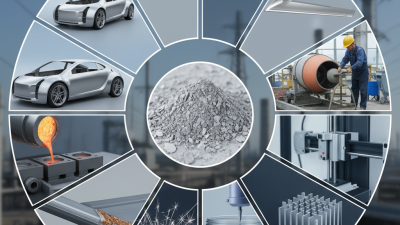
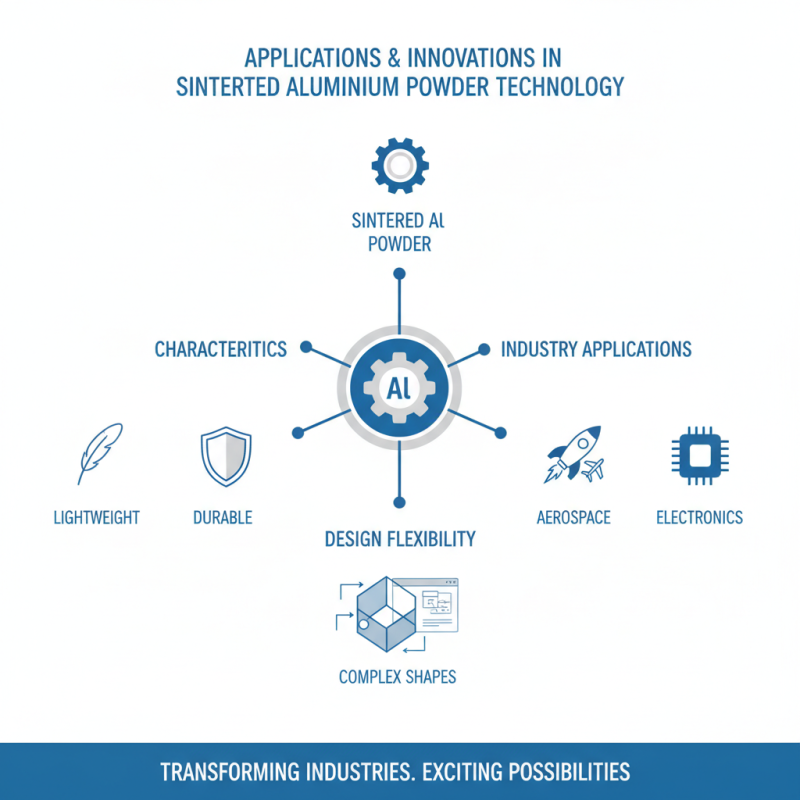
Sintered aluminium powder technology is transforming various industries. Its lightweight and durable characteristics make it appealing for automotive, aerospace, and electronics applications. This material can be processed into complex shapes, enhancing design flexibility. Engineers are excited about the possibilities.
Recent innovations show the potential of sintered aluminium powder in 3D printing. This method allows for rapid prototyping and production. It minimizes waste, which is a significant advantage for manufacturers. Current challenges remain, such as ensuring uniform density in the printed parts.
Another exciting arena is the development of advanced coatings using sintered aluminium. These coatings enhance wear resistance and thermal management. However, consistency in production can be tricky. There's always room for improvement in process control and quality assurance. The evolution of sintered aluminium powder continues to inspire research and development, paving the way for future breakthroughs.
Sustainability and Environmental Impact of Sintered Aluminium Powder Production
The production of sintered aluminium powder has gained attention for its sustainability implications. This process can create a substantial environmental footprint if not managed properly. The resources required, including energy and raw materials, raise concerns about the overall environmental impact. Manufacturers are increasingly scrutinizing their methods to minimize emissions and waste during production.
Many companies are exploring methods to recycle aluminium waste. This not only conserves natural resources but also lowers energy consumption. The challenge lies in optimizing these processes to ensure efficiency while reducing ecological harm. Investments in innovative technologies may prove beneficial, yet the industry often grapples with the balance between profitability and sustainability.
Regarding the broader implications, the demand for sintered aluminium is on the rise. This surge can lead to over-extraction of resources, raising questions about long-term sustainability. Stakeholders must consider the trade-offs involved. As the market evolves, urgent reflection on practices is necessary. Continuous improvement and transparency are essential for building trust with consumers and regulators alike.