2026 Best Metal 3D Printer Machines for Global Buyers
The 2026 market for metal additive manufacturing is becoming more capable, but also harder to evaluate. A Metal 3d Printer Machine may promise high productivity, fine accuracy, and lower material waste. Those claims need practical verification. Global buyers should examine build volume, laser power, layer thickness, powder handling, software, and service support together.
This guide reviews leading metal 3D printer machines for aerospace, automotive, medical, tooling, and industrial production. Each option should be judged against a real workshop scenario. A 400-millimeter build chamber means little without stable calibration and reliable powder recycling. A fast laser system may still struggle with complex internal channels. Small details matter.
Supplier experience matters as much as machine specifications. Buyers should request application samples, maintenance records, operator training plans, and transparent warranty terms. Regional technical support can reduce downtime when a recoater fails or print parameters need adjustment. Independent certifications and documented safety procedures also deserve careful attention. Metal powder requires controlled handling.
No single machine fits every factory. That is the uncomfortable part. Budget, staffing, materials, and production goals can change the final choice. Some performance figures may come from ideal laboratory conditions rather than daily production. Buyers should test representative parts before signing a major purchase agreement. A careful trial can reveal surface defects, support-removal costs, and unexpected post-processing demands. This review offers a practical starting point, while recognizing that real-world results may vary between facilities.
What Is a Metal 3D Printer and How Does It Work?
What Is a Metal 3D Printer and How Does It Work?
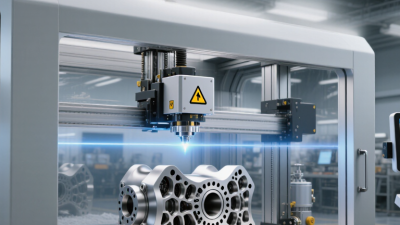
A metal 3D printer builds parts layer by layer from digital CAD data. Unlike machining, it adds material rather than removing a solid block. Common systems use metal powder or wire. Powder bed fusion spreads a thin powder layer, then a laser or electron beam selectively melts it. Directed energy deposition feeds wire or powder into a focused heat source. Binder jetting uses a liquid binder first, followed by thermal sintering.
The workflow starts with model preparation and slicing. Software divides the design into precise cross-sections. The machine then deposits material and controls energy, speed, and layer thickness. After printing, operators remove powder, cut supports, heat-treat parts, and inspect critical surfaces. These steps matter. A printed part may look perfect but still contain internal stress or tiny pores. That is where many purchasing decisions become less simple.
Wohlers Report 2024 valued the global additive manufacturing industry at 20.035 billion dollars in 2023, with 13.5% year-on-year growth. The report also shows expanding industrial adoption, not just laboratory experiments. However, published growth does not guarantee easy production. Material qualification, operator training, ventilation, and inspection equipment can change the real cost.
Tips: Compare total workflow costs, not only machine prices. Ask for density data, repeatability results, and material certifications. Start with a test component. Measure warping, surface roughness, and post-processing time. Small evidence beats impressive brochures.
Key Metal 3D Printing Technologies Available in 2026
Key Metal 3D Printing Technologies Available in 2026
Metal powder bed fusion remains the leading choice for complex aerospace, medical, and industrial parts. Laser-based systems melt thin powder layers, often between 20 and 60 micrometers. Electron-beam systems use vacuum chambers and can reduce thermal stress in selected alloys. The Wohlers Report 2025 valued the global additive manufacturing industry at 21.9 billion dollars in 2024, representing 9.1% annual growth. That increase reflects broader industrial adoption, not only printer sales.
Binder jetting offers faster batch production because it deposits liquid binder across a powder bed. Parts require debinding and sintering afterward. Shrinkage can reach significant levels, so buyers must validate dimensional compensation carefully. Metal extrusion systems use bound feedstock, similar to filament or pellets. They usually simplify material handling, but surface finish and density may require secondary processing. Powder matters. Feedstock consistency directly affects reliability.
Directed energy deposition builds or repairs larger components using powder or wire. It suits repair workshops and hybrid manufacturing more than tiny lattice structures. Cold spray uses kinetic energy instead of melting, which can protect sensitive substrates. AM Research’s metal additive manufacturing market studies continue to identify productivity, qualification, and operating cost as major purchasing factors. A clean specification sheet is not enough. Real evaluation should include powder recycling, calibration time, inert-gas use, post-processing, and operator training. Some published productivity claims also assume ideal conditions, which rarely match a busy factory floor.
How to Compare the Best Metal 3D Printer Machines
Choosing the best metal 3D printer machine requires more than comparing build volume or advertised speed. The 2024 Wohlers Report valued the global additive manufacturing industry at 20.0 billion dollars in 2023, with 13.5% annual growth. That expansion creates more options, but also more confusing specifications. Compare laser power, melt-pool control, layer thickness, and powder handling procedures. A larger chamber may look attractive, yet unused volume can increase gas consumption and production time. Check real production samples, not only showroom parts.
Ask how the machine performs after several hundred hours. Examine dimensional accuracy, surface roughness, recoater reliability, and filter replacement intervals. Request data from similar alloys and wall thicknesses. ISO/ASTM 52900 terminology helps buyers compare processes consistently, especially between powder bed fusion and directed energy deposition. Maintenance access matters too. A technician should reach optics, seals, and filters without dismantling half the machine.
Do the numbers match your factory?
Calculate total cost per qualified part, including powder losses, inert gas, labor, post-processing, and failed builds. AM Research market analyses repeatedly show that equipment is only one part of metal additive manufacturing investment. I would also test software usability with a new operator, because expert-only workflows create hidden labor costs. Some manufacturers publish excellent accuracy figures but provide limited long-term service data. That gap deserves skepticism. A slower machine with stable monitoring may outperform a faster system on Monday morning.
Essential Features for Global Buyers to Evaluate
For global buyers, a metal 3D printer should be judged beyond its advertised build volume.
The build chamber matters. A stable thermal system can reduce warping, residual stress, and inconsistent layer bonding. Buyers should examine laser or energy-source accuracy, powder handling, filtration, and monitoring functions. Clear calibration procedures are valuable when technicians work across different countries and skill levels. A machine with complicated maintenance may become expensive after installation.
Material compatibility deserves careful verification.
Check supported alloys, powder specifications, recycling limits, and validated process parameters. Ask for independent test reports, dimensional data, and mechanical results, rather than relying only on promotional claims. Regional power requirements, ventilation standards, customs documentation, and local safety certifications can affect the purchase timeline. These details are not exciting, but they often delay production.
Service access can decide whether a printer succeeds overseas.
Evaluate remote diagnostics, spare-part availability, training quality, and response times in your region. Software should provide traceable records for jobs, materials, alarms, and maintenance. This supports quality control and audit preparation. A lower purchase price may hide installation or consumable costs. I would also question very broad performance claims. Real production includes failed builds, uneven powder batches, and operator mistakes. No specification sheet explains everything. A site visit, sample build, and small pilot order can reveal weaknesses before a major investment.
Applications, Costs, Safety, and Maintenance Considerations
2026 Best Metal 3D Printer Machines for Global Buyers
Metal 3D printers support aerospace brackets, medical implants, tooling, repair parts, and laboratory prototypes. Each application demands different accuracy, materials, build volume, and post-processing equipment. A small research system may suit development, while production requires stable parameters and repeatable inspection.
Purchase price is only one part of the budget. Industrial machines can cost from roughly 100,000 to over 1 million US dollars. Powder, inert gas, electricity, software, skilled labor, and heat treatment add significant operating expenses. Metal powder handling also creates hidden costs. Waste control matters. A detailed cost model should include facility upgrades, certification, spare parts, and downtime. A spreadsheet can still miss reality.
Safety needs engineering controls, not confidence alone. Enclosed powder systems, local extraction, oxygen monitoring, suitable protective clothing, and documented emergency procedures reduce exposure and fire risks. Staff need practical training before handling powder or opening a build chamber. Maintenance should follow measured intervals. Inspect filters, recoater components, seals, optics, and gas lines. Calibrate sensors and record every service action. Small deviations can produce porous parts or weak surfaces. In practice, operators sometimes postpone cleaning during busy production, and that decision can become expensive. A realistic maintenance schedule should include inspection time, replacement parts, and an independent quality check.