2026 Best 3D Printer Metal Materials for Global Buyers?
The field of 3D printing has evolved dramatically in recent years, particularly in metal materials. According to Dr. Emily Carter, a leading expert in additive manufacturing, “The right 3D Printer Metal Material can significantly enhance product durability and performance.” This statement underscores the importance of selecting the best materials for successful 3D printing applications.
As we look forward to 2026, buyers face a diverse range of 3D Printer Metal Materials. Options like titanium, aluminum, and stainless steel present unique benefits and challenges. With advancements in technology, understanding these materials is crucial for making informed choices. However, not all materials suit every application, making it essential for buyers to conduct thorough research.
The global market is growing, yet there are complexities. Buyers should consider factors such as cost, availability, and environmental impact. Navigating these choices requires careful thought. Ultimately, the evolution of 3D printing metal materials will continue to shape industries, but challenges remain in material selection and application.
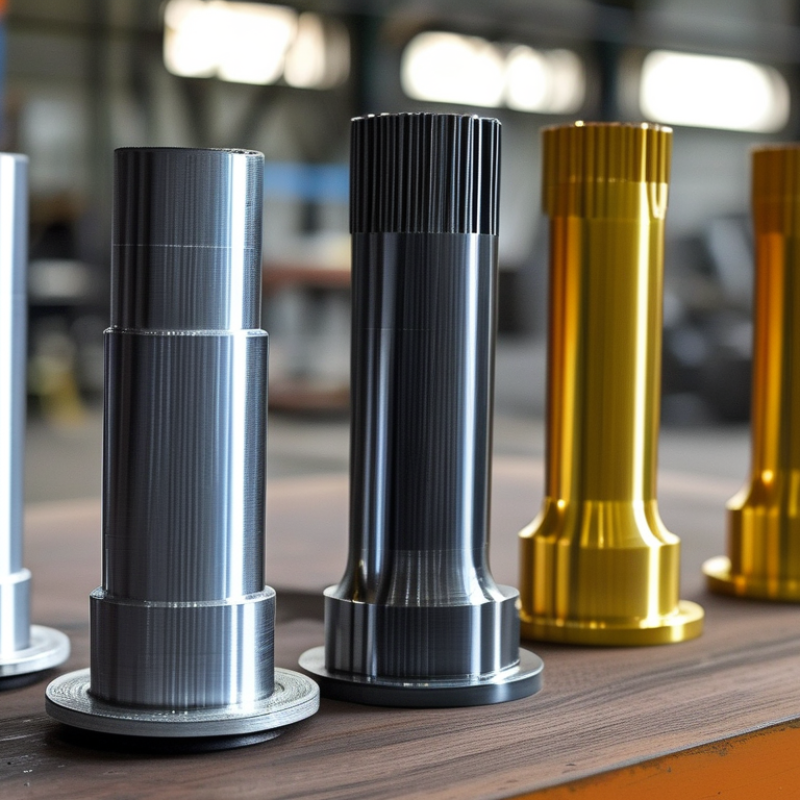
Overview of 3D Printing Metal Materials in 2026
In 2026, the landscape of metal materials for 3D printing continues to evolve. Key materials like titanium, aluminum, and stainless steel lead the market. Each has unique properties that cater to specific applications. Titanium, known for its strength and lightweight nature, is crucial in aerospace. Aluminum offers excellent thermal conductivity, making it suitable for automotive parts. Stainless steel is versatile, used in both industrial and consumer products.
While advancements are promising, challenges persist. Material consistency remains a concern. Variations in powder quality can affect print outcomes. Furthermore, the post-processing of printed metal parts often requires additional steps, such as machining or surface finishing. These processes can be time-consuming and costly.
Buyers must also consider the environmental impact of their choices. Sourcing materials responsibly is increasingly important. As the industry matures, the focus must shift to sustainable practices. Innovative recycling methods for metal powders may offer a solution. Overall, while the future of 3D printed metal materials holds great potential, careful consideration is necessary to navigate its complexities.
Top Metal Materials for 3D Printing: Properties and Applications
When selecting metal materials for 3D printing, buyers must understand the properties and applications of each material. Stainless steel, a popular option, boasts high tensile strength and resistance to corrosion. According to a recent industry report, stainless steel accounts for over 30% of the metal 3D printing market due to its versatility in various sectors, including aerospace and automotive.
Another key material is titanium. It is lightweight yet incredibly strong, making it ideal for parts requiring both durability and reduced weight. Reports indicate that titanium alloys have seen a growth rate of over 15% in 3D printing applications. However, the high cost of titanium can be a barrier for some companies, necessitating careful consideration.
Aluminum is also making waves in the industry. Its combination of lightweight and good thermal properties makes it a preferred choice for components in high-performance engines. While aluminum is more affordable, it requires precise printing techniques to achieve optimal results. The uneven quality in prints remains a challenge that warrants attention from manufacturers. Overall, the choice of metal materials will significantly affect the performance and cost-effectiveness of 3D printed parts.
Comparative Analysis of Popular 3D Printing Metals for Global Buyers
The choice of metal materials for 3D printing is crucial for buyers worldwide. Various metals like aluminum, titanium, and stainless steel are popular due to their unique properties and applications.
Aluminum is known for its lightweight and corrosion resistance, making it suitable for aerospace components.
Titanium, on the other hand, boasts high strength-to-weight ratios and is prized in medical implants. Each metal serves different purposes, and buyers must consider their specific needs.
However, the performance of these metals isn't perfect. Aluminum can be less durable under extreme conditions. Titanium is expensive and requires specialized machines. Stainless steel is heavy but offers great strength. Buyers often face trade-offs. Understanding these nuances helps make informed choices. Market demands continue to evolve, and so should the materials. Keeping pace with technological advancements is essential for manufacturers. The right balance between cost and functionality often leads to reflection on choices made.
Trends in 3D Printing Metal Technologies for Future Manufacturing
The landscape of 3D printing metal technologies is evolving rapidly. As industries adopt additive manufacturing, recognizing trends becomes crucial. In 2022, the market for metal 3D printing reached approximately $2.7 billion, and it is projected to grow significantly. By 2026, this market may surpass $9 billion, according to various industry reports. This surge highlights a shift toward more advanced materials and faster printing processes.
Current trends focus on materials like stainless steel, titanium, and aluminum alloys. These materials offer unique properties, making them suitable for various applications. A report from the International Data Corporation indicates that the use of titanium in aerospace applications will increase by 25% in the next few years. This is a clear indication of the growing importance of durable and lightweight materials in high-performance sectors.
Tip: When selecting 3D printing metal materials, consider the specific application requirements. Some materials may not be ideal for high-stress environments. Testing and validation are crucial for ensuring reliability.
Another trend is the integration of AI in optimizing printing processes. This technology helps refine parameters for better efficiency, reducing waste. Yet, reliance on AI can lead to overconfidence in automated decisions, necessitating a blend of human oversight and machine learning.
Tip: Always validate the results generated by AI systems. Human expertise is essential in interpreting data and ensuring quality in the final product. As technologies advance, the synergy between human insight and machine efficiency will shape the future of metal 3D printing.
Considerations for Selecting the Right Metal Material in 3D Printing
Choosing the right metal material is crucial in 3D printing. Different metals offer varied properties, impacting strength, weight, and thermal resistance. According to a recent study by the Wohlers Report, titanium remains the most sought-after metal due to its high strength-to-weight ratio. This makes it ideal for aerospace applications.
Stainless steel is another popular choice. It boasts excellent corrosion resistance and is well-suited for industrial parts. However, it requires careful consideration of the specific stainless steel grade. Each grade has unique properties that can affect the final product's performance. Many companies face challenges when selecting an appropriate grade, leading to potential failures in applications.
Aluminum is lightweight and offers good thermal conductivity. However, its mechanical properties can vary significantly based on the alloy used. Manufacturers must weigh options carefully. Different applications might need different alloys, which can confuse buyers. Understanding the specific requirements of the intended use is critical for success. It remains essential to keep an open dialogue with suppliers about project goals and constraints.