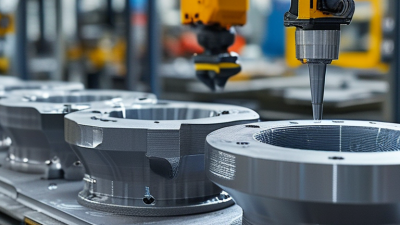
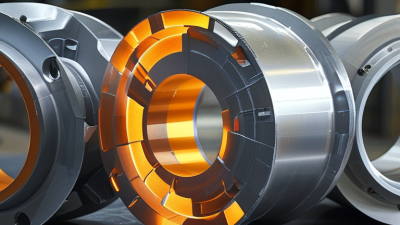
China Top Titanium 3D Printer Manufacturers and Suppliers
China’s titanium additive manufacturing sector is moving from laboratory trials toward demanding aerospace, medical, and industrial production. A Titanium 3d Printer can create lightweight parts with complex channels, lattice structures, and reduced material waste. Yet impressive samples do not automatically prove production readiness.
The Wohlers Report 2024 valued the global additive manufacturing industry at approximately US$20.0 billion in 2023. It also reported continued growth across metal systems, software, services, and materials. These figures explain the rising interest in Chinese manufacturers and suppliers. China offers broad equipment choices, competitive pricing, and growing expertise in laser powder bed fusion. However, supplier quality differs considerably.
Terry Wohlers, founder of Wohlers Associates, has said, “The future of manufacturing is digital.” His statement remains relevant, but digital capability alone is insufficient. Buyers must examine laser stability, oxygen control, build-volume consistency, titanium powder traceability, and post-processing support. TÜV SÜD and ASTM International publications also emphasize process qualification, material characterization, and repeatable testing for metal additive manufacturing.
This guide reviews China’s leading Titanium 3d Printer manufacturers and suppliers through practical criteria. These include machine architecture, system certification, application experience, software openness, technical service, and documented production results. A polished showroom part can hide weaknesses. That matters.
Some supplier claims remain difficult to verify publicly. This is an unavoidable limitation. Therefore, readers should request build records, inspection reports, customer references, and sample testing before purchasing. The strongest companies are not always the loudest. They are the ones that can explain failures, control variables, and improve consistently.
Titanium 3D Printing: Technology, Materials, and Industrial Applications
China Top Titanium 3D Printer Manufacturers and Suppliers
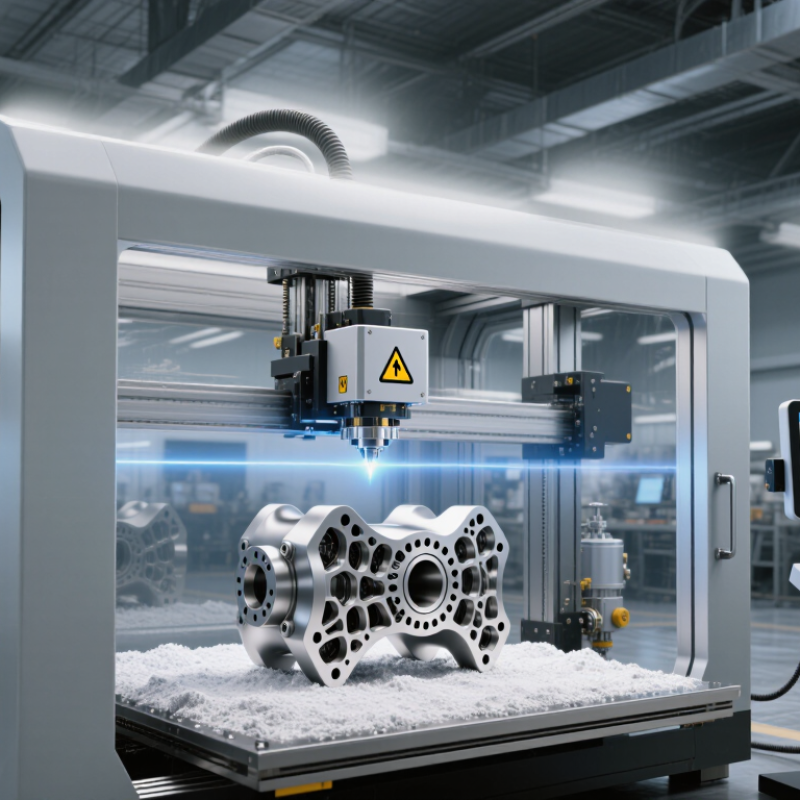
Titanium 3D printing uses lasers or electron beams to melt metal powder layer by layer. Ti-6Al-4V remains the dominant alloy for aerospace, medical, and energy components. It offers high strength, corrosion resistance, and low density.
The process is demanding. Titanium reacts quickly with oxygen at elevated temperatures, so printers require sealed chambers and controlled inert gas.
The 2024 Wohlers Report valued the global additive manufacturing industry at 20.035 billion US dollars in 2023. Metal systems represented a significant share of industrial adoption. According to the ASTM International Additive Manufacturing Center of Excellence, process qualification, powder control, and inspection remain essential for repeatable production. Chinese manufacturers and suppliers increasingly provide large-format systems, powder handling units, and integrated monitoring tools. Buyers should examine laser stability, chamber uniformity, software traceability, and local service capacity.
Industrial users print aircraft brackets, orthopedic implants, heat exchangers, and customized energy parts. The medical field demands strict geometry and surface control. Aerospace projects require documented testing and consistent batch records.
A useful warning: printed does not mean ready. Post-processing may include stress relief, heat treatment, machining, and surface finishing.
Powder reuse also needs chemical and particle-size testing. No qualification plan is perfect. Supplier claims should be checked against independent test coupons, inspection data, and long-term production evidence. Fancy specifications can still hide weak process control.
China’s Titanium 3D Printer Manufacturing Landscape
China’s titanium 3D printer manufacturing landscape is expanding around aerospace, medical, energy, and customized industrial production. Powder bed fusion remains central, especially for titanium parts requiring complex channels and lightweight structures. Manufacturers increasingly combine machine production with process development, software control, and post-processing support.
A serious supplier should explain laser stability, inert gas circulation, chamber temperature, and powder handling procedures. These details affect porosity, surface quality, and repeatability. In factory evaluations, buyers should inspect calibration records, maintenance logs, and sample build results. The strongest production floors show clean powder stations and organized material storage. Details matter.
Printer selection also depends on engineering support. Some suppliers provide parameter development for different titanium alloys, while others mainly deliver standard equipment. That gap matters. Buyers should request test coupons, dimensional reports, and mechanical data from comparable builds. Site acceptance tests can expose inconsistent recoating or weak monitoring systems. Reliable suppliers maintain powder traceability and document changes during production. They should also describe operator training and response times for technical issues. Yet the landscape is not perfectly uniform; published performance figures may use different testing methods. Independent verification remains wise, particularly for medical or safety-critical components. Engineering judgment still matters more than attractive specifications.
Key Features of Leading Chinese Titanium 3D Printer Suppliers
China Top Titanium 3D Printer Manufacturers and Suppliers
Leading Chinese titanium 3D printer suppliers focus on process stability, material control, and practical production support. Their systems commonly use selective laser melting with sealed inert-gas chambers. This reduces oxygen exposure during printing. Many machines include automatic powder spreading and real-time laser monitoring. These features help maintain consistent layers across complex aerospace, medical, and industrial parts.
A strong supplier should provide titanium alloy profiles, build-plate guidance, and clear parameter records. Engineers often check chamber oxygen levels before every critical batch. Reliable platforms also offer temperature monitoring, powder recycling instructions, and removable filter systems. Service quality matters just as much. Fast troubleshooting, operator training, and accessible spare parts can prevent costly downtime. Ask for sample data, not only impressive photographs.
In production trials, small details often decide the result. Poor powder storage can create defects. Incomplete support removal can damage thin structures. Not every machine is perfect. Some interfaces still require manual adjustments, especially with new alloys. This is where technical experience becomes valuable. Suppliers with documented testing methods can explain their limits honestly. They should also support inspection records, dimensional checks, and repeatability studies. A careful buyer should compare these details before choosing equipment.
How to Evaluate Titanium 3D Printer Manufacturers in China
Evaluating titanium 3D printer manufacturers in China requires more than comparing machine prices. Examine their experience with titanium alloys, especially Ti-6Al-4V, and request production samples with documented process parameters. A serious supplier should explain laser power, scanning strategy, chamber oxygen levels, and powder recycling limits in clear language. Vague answers deserve caution.
Inspect the factory if possible. Check assembly quality, calibration records, safety controls, and the availability of replacement parts. Ask for material certificates, powder traceability, density results, tensile data, and dimensional inspection reports. Independent laboratory testing adds credibility. ISO-based quality procedures can help, but certificates alone do not prove consistent printing performance.
Request a supervised trial using your geometry. Measure surface roughness, porosity, distortion, and repeatability across several builds. Review software updates, operator training, installation support, and response times for technical problems. A dependable manufacturer should provide a written acceptance test, not just an attractive demonstration part. Look closely.
The cheapest quotation may hide expensive downtime, imported components, or weak after-sales support. A polished showroom can mislead. Even experienced buyers may overvalue printing speed and underestimate powder management. Compare total ownership costs over three years, including maintenance, inert gas, consumables, and staff training. Speak with current industrial users, while remembering that one successful reference cannot represent every application.
Purchasing and After-Sales Considerations for Titanium 3D Printers
When purchasing a titanium 3D printer, buyers should examine the complete production system, not only the machine price. The 2024 Wohlers Report valued the global additive manufacturing industry at $20.035 billion in 2023. This growth increases supplier choices, but technical differences remain significant.
Check laser power stability, chamber oxygen control, powder recovery, and build-volume consistency. Titanium alloy Ti-6Al-4V requires controlled processing and reliable traceability. Ask suppliers for test coupons, density results, surface-finish data, and qualification records. ISO/ASTM 52904 provides useful guidance for metal powder-bed fusion operations. A showroom sample is not enough.
After-sales support often decides whether production remains profitable. Confirm technician response times, spare-part availability, software updates, calibration procedures, and operator training. Request a written maintenance schedule. It should identify filter replacement, optical inspection, recoater checks, and gas-system testing. Powder handling also needs clear instructions and documented safety controls. Fast support matters.
Do not trust vague promises. Ask for service-level targets and references from comparable users. A lower purchase price can become expensive after one failed build. I would also test remote diagnostics before signing. That step is easy to overlook. One practical weakness remains: published performance data may use ideal parameters, while factory conditions vary. Buyers should budget for process development, qualification samples, and occasional downtime rather than assuming immediate production readiness.