Inquiry
Form loading...

2026 Top Trends in 3D Printing Powder Innovations and Applications?

As we look towards 2026, the landscape of 3D printing powder innovations is rapidly evolving. The demand for advanced materials is driving research and development in this field. New types of powders are improving print quality and reducing production costs. These innovations are not merely technical. They represent a shift in how industries approach design and manufacturing.

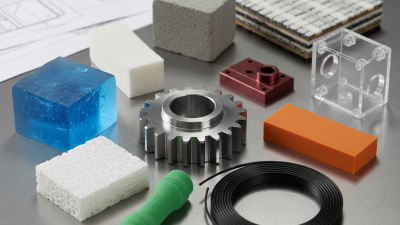
3D printing powder is at the forefront of this transformation. Companies are now exploring various materials, from metals to polymers. Each type offers unique properties for different applications. For instance, metal powders enable the creation of strong, lightweight components for aerospace. Meanwhile, bio-compatible powders are paving the way for innovations in healthcare. Despite these advancements, challenges remain. The consistency and quality of some powders can vary significantly.

Though the future appears promising, it is essential to remain cautious. Innovations in 3D printing powder are powerful but require critical assessment. As new applications emerge, stakeholders must ensure reliability and performance across various sectors. Reflecting on these trends is crucial for a sustainable future in 3D printing technologies.

2026 Top Trends in 3D Printing Powder Innovations and Applications?

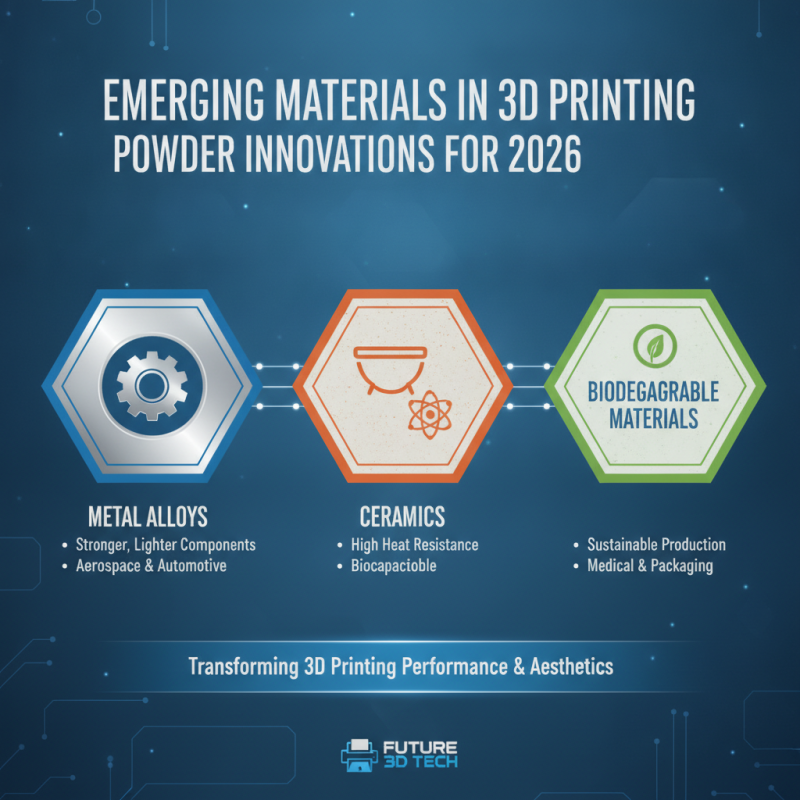
Emerging Materials in 3D Printing Powder Innovations for 2026

2026 Top Trends in 3D Printing Powder Innovations and Applications?

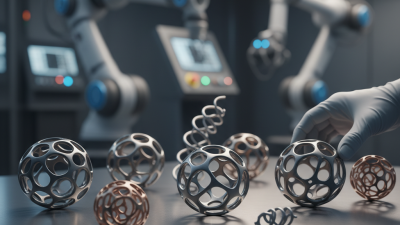
As we approach 2026, the landscape of 3D printing is rapidly evolving. Emerging materials are playing a pivotal role in this transformational phase. Innovative powders such as metal alloys, ceramics, and biodegradable materials are gaining attention. These materials offer unique properties that enhance the performance and aesthetics of 3D printed objects. For instance, the versatility of metal powders allows for stronger, lighter components in aerospace and automotive applications.

Biodegradable powders are particularly noteworthy. They address environmental concerns by reducing waste. These materials can decompose naturally, making them ideal for sustainable solutions. While progress is evident, challenges remain. Many biodegradable powders still lack the strength of traditional materials. Moreover, the cost of developing and scaling these innovative powders can be prohibitive. These complexities require ongoing research and collaboration across industries.

Lastly, ceramics are experiencing a renaissance in 3D printing. Their heat resistance makes them invaluable for applications in electronics and medical devices. However, achieving the desired precision and finish can be challenging. Innovations in powder formulations are necessary to bridge this gap. This dynamic field continues to push the boundaries, reflecting the necessity for ongoing adaptation and exploration.

Advancements in Powder Recycling Techniques for Sustainable 3D Printing

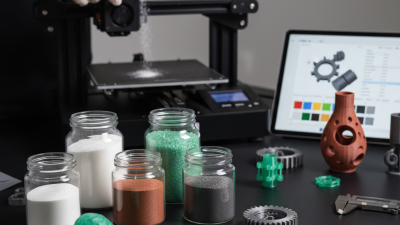
The evolution of 3D printing has led to significant improvements in powder recycling techniques. This advancement contributes to more sustainable practices. Recycled powders can be repurposed, reducing waste and production costs. By reusing materials, manufacturers can maintain vibrant ecosystems.

It's important to note that recycling powders requires careful processing. Contaminants can compromise the quality of new prints. Implementing stringent quality checks ensures that recycled materials meet required standards. As technology advances, these checks become easier and more reliable.

Tips for effective powder recycling: Regularly check for contamination. This can save time and resources. Consider partnering with recycling firms to enhance capabilities. Additionally, staying informed about new techniques will keep your practices up to date. Embracing this mindset contributes to a more sustainable future in 3D printing.

Innovative Applications of 3D Printing Powders in Aerospace and Automotive

2026 Top Trends in 3D Printing Powder Innovations and Applications?

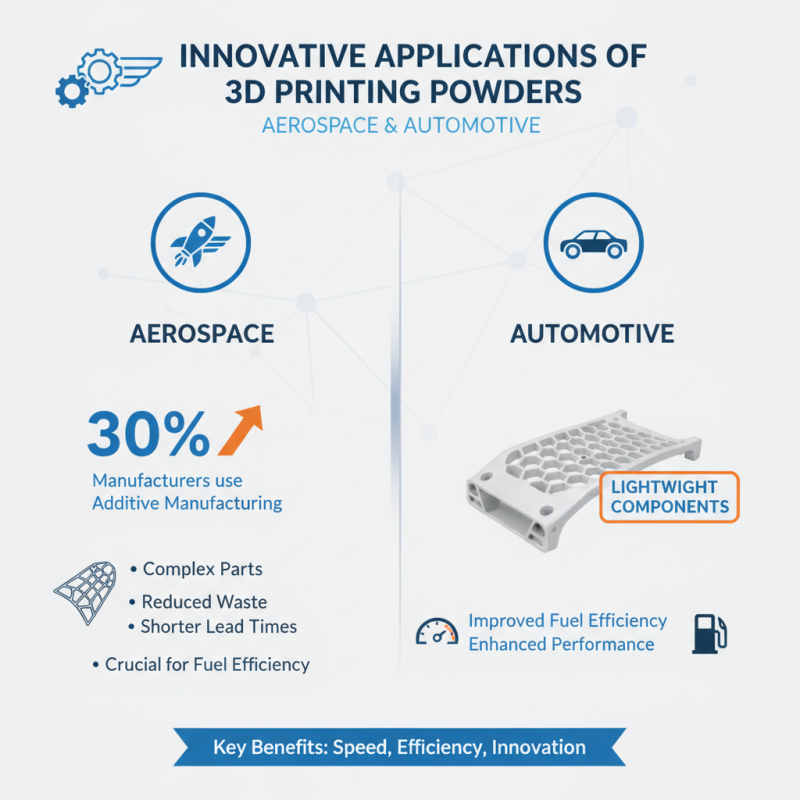
The aerospace and automotive industries are experiencing a significant shift due to innovations in 3D printing powders. Around 30% of aerospace manufacturers have started integrating additive manufacturing into their production lines. This technology streamlines the creation of complex parts, reduces waste, and shortens lead times. For instance, additive manufacturing allows for lightweight components, crucial for improving fuel efficiency and performance.

In automotive applications, 3D printing powders enable rapid prototyping and customized parts production. Recent studies suggest that 40% of automotive companies are leveraging this technology for tooling and production parts. This trend not only enhances design flexibility but also reduces costs significantly. Challenges remain, though. Material variability and process consistency can lead to performance issues. Companies must refine their processes to ensure reliability and quality, which are essential in high-stakes industries like aerospace and automotive.

As innovations continue, understanding the properties of different powders becomes vital. For instance, metal powders can offer distinct mechanical properties compared to polymer powders. This knowledge is crucial for optimizing performance in specific applications. The industry has a long way to go in achieving standards for these materials, posing a challenge that invites further exploration and development.

Impact of Artificial Intelligence on 3D Printing Powder Design

Artificial Intelligence (AI) is reshaping the landscape of 3D printing powder innovation. It enhances the design process of metal and polymer powders. Machine learning algorithms can analyze vast datasets. This allows for the identification of optimal powder properties. These advancements lead to improved print quality and efficiency.

AI-driven simulations enable the prediction of material behavior during the printing process. This means that designers can foresee potential issues. They can adjust parameters early on. However, the reliance on AI may introduce its own challenges. Data bias can affect outcomes, leading to flawed designs. Continuous validation is necessary to ensure reliability.

The intersection of AI and 3D printing powder design opens new avenues. It promotes customization and rapid prototyping. Nevertheless, designers must remain vigilant. They should question AI-generated suggestions critically. Balancing human expertise with AI's capabilities is essential for quality outcomes.

2026 Top Trends in 3D Printing Powder Innovations and Applications: Impact of Artificial Intelligence on 3D Printing Powder Design

Trend Description Impact of AI Application Areas Projected Growth (%)
Metal Powder Innovations Development of new metal alloys for enhanced performance in 3D printing. AI algorithms optimize alloy compositions based on desired mechanical properties. Aerospace, Automotive, Medical 20%
Biodegradable Powders Creation of sustainable, eco-friendly materials for 3D printing. AI helps in formulating biodegradable powders that retain structural integrity. Consumer Products, Packaging 25%
Nanoparticle Infused Powders Incorporation of nanoparticles for enhanced material properties such as strength and conductivity. AI analyzes the effects of different nanoparticle concentrations on properties. Electronics, Construction 15%
Customized Powder Production On-demand production of custom powders tailored to specific applications. AI systems predict demand and adjust production processes accordingly. Medical Implants, Aerospace Components 30%
Smart Powder Management
Integration of IoT devices in powder storage and handling. AI optimizes inventory management and reduces waste through predictive analytics. Manufacturing, Supply Chain 18%

Future Challenges and Opportunities in 3D Printing Powder Technologies

The future of 3D printing powder technologies presents both exciting opportunities and significant challenges. As industries continue to explore additive manufacturing, the need for innovative powder materials grows. The evolution of these powders must keep pace with rising demands for quality and performance. For instance, optimizing particle size and distribution can greatly influence print quality.

Tips: Always evaluate the source of your powder. Quality matters greatly. Low-quality powder can lead to defects in production.

Challenges in developing new powders include cost and scalability. Research into sustainable materials can mitigate environmental impacts. However, creating a reliable supply chain for these innovative powders is essential. Testing new materials often requires significant time and resources, which can slow down progress.

Tips: Engage with a community of experts. Peer feedback can illuminate blind spots in your approach. Collaboration often leads to breakthroughs in powder technology.

In this evolving landscape, companies must remain agile. Staying informed about the latest trends is crucial. Regularly revisiting and revising strategies can help in adapting to market needs. Embracing this dynamic environment allows organizations to harness the full potential of 3D printing powders.