Best Rapid Prototyping Materials for Global Buyers?
In today's fast-paced manufacturing landscape, selecting the right rapid prototyping materials has become crucial. The global market for rapid prototyping is expected to reach $29.8 billion by 2025, growing at a rate of 24.3% annually. This demonstrates the increasing demand for efficient and innovative solutions in design and production.
Rapid prototyping materials range widely, from thermoplastics to metals and composites. Each material offers unique properties that cater to different applications. For instance, ABS plastic is favored for its balance of strength and flexibility. Conversely, nylon is chosen for its durability and resistance to wear. Understanding these differences is vital for manufacturers aiming to optimize their prototyping processes.
While the progress in materials technology is impressive, challenges remain. Some materials may not work well under certain conditions. Inconsistent quality or availability can also hinder projects. Navigating these obstacles requires industry expertise and reliable data. It's essential to stay informed about advancements in rapid prototyping materials to fully leverage their potential.

Overview of Rapid Prototyping Materials
Rapid prototyping plays a vital role in product development. It allows for quicker design iterations and testing. Various materials are used in this process, each with its unique characteristics. Common materials include plastics, metals, and ceramics. Each category serves different applications.
Plastics are popular due to their affordability and versatility. They can mimic the properties of different materials. However, their strength can be a limitation. Metals, like aluminum or titanium, provide durability and structural integrity. Yet, they can be cost-prohibitive and challenging to work with. Ceramics offer high heat resistance but might not be suitable for all prototypes.
It is crucial to understand the intended use of each prototype when choosing a material. Factors such as strength, weight, and surface finish come into play. Misjudging these criteria can lead to product failures. Reflection on material choice can sharpen the prototyping process, allowing for better end products. Knowing the pros and cons of each material enhances decision-making in rapid prototyping.
Common Types of Rapid Prototyping Materials
Rapid prototyping materials play a crucial role in product development. There are several common types, each serving a unique purpose.
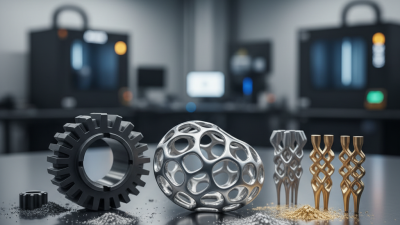
Thermoplastics, for example, are widely used due to their durability and flexibility. They can withstand various temperatures and can be shaped easily. Another popular choice is resin. It offers a smooth finish and high accuracy, ideal for intricate designs.
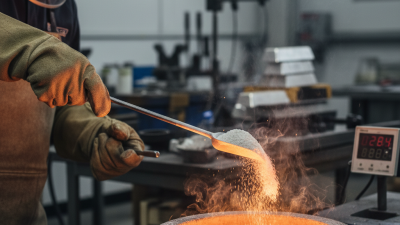
Metal powders are also essential. They allow for the creation of functional parts that require robustness. However, working with metals can be challenging. It often demands specialized equipment and expertise. This can lead to increased costs and time.
Tip: Always consider the end-use of your prototype. Different projects may require different materials.
Foam and cardboard are lightweight options for less demanding prototypes. They are easy to cut and shape, making them ideal for initial concepts. However, these materials may not reflect the final product's performance accurately.
Tip: Evaluate your prototype's purpose before selecting a material. Don't rush the decision; it can affect your project.
In summary, while there are numerous materials available, understanding their properties is vital. It can help avoid mistakes later in the development process. Experimenting with various options may reveal unexpected insights beneficial for your design.
Advantages and Disadvantages of Each Material Type
When selecting rapid prototyping materials, understanding their advantages and disadvantages is crucial. For instance, plastics like ABS are inexpensive and easy to work with. They can create strong prototypes. However, they often lack durability when exposed to certain temperatures or chemicals. This limitation can be problematic, especially in functional testing.
Another popular option is resin-based materials. They offer high detail and smooth finishes. Suitable for intricate designs, they also cure quickly. Yet, their brittleness and potential toxicity in handling present serious concerns. It’s important to use protective equipment during processing.
Tips: Always assess the specific requirements of your project before choosing materials. Test small samples first to understand their limitations.
Metals can be an excellent choice when strength is paramount. However, they are often heavier and require specialized tools. This requirement can lead to increased costs and time. Weigh the benefits against your project needs.
Tips: Consider hybrid approaches. Combining different materials can leverage the strengths of each, leading to better results. Reflect on the balance between cost, time, and durability.
Factors to Consider When Choosing Materials
When selecting rapid prototyping materials, consider several crucial factors. The material's mechanical properties are essential. Will it withstand stress during testing? Think about flexibility versus rigidity based on your project needs. For example, rubber-like materials are great for soft parts, while rigid plastics suit structural components.
Another factor is the material's compatibility with your printing technology. Not all materials work with every printer type. Understand the printer specifications. This ensures you maximize efficiency while minimizing errors. Some materials can warp or degrade, impacting the final prototype quality. This aspect requires careful evaluation.
Cost is also a critical factor. While some materials may perform excellently, they could significantly inflate project budgets. Opt for materials that provide a balance between performance and affordability. Additionally, consider the recyclability of materials—this reflects sustainability efforts. Reflecting on these factors can improve your material selection process.
Global Trends in Rapid Prototyping Material Usage
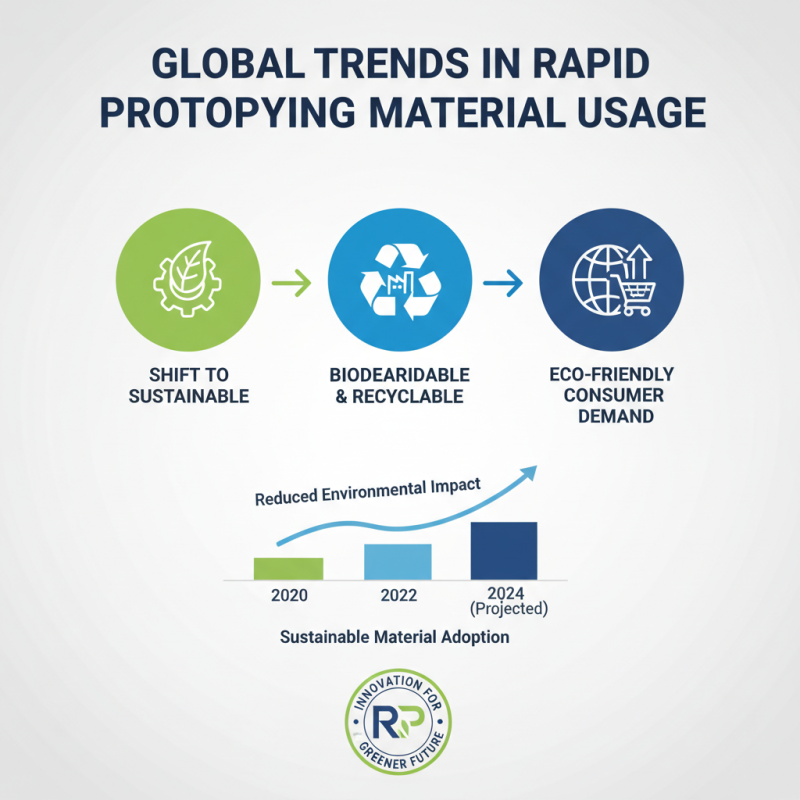
Rapid prototyping materials play a crucial role in the design and manufacturing processes across various industries. As global markets evolve, the usage trends indicate a shift towards sustainable options. Many manufacturers are exploring biodegradable and recyclable materials. This approach not only reduces environmental impact but also meets increasing consumer demand for eco-friendly products.
Tips: Always evaluate the material's compatibility with your prototyping needs. Consider how it will perform under specific conditions, such as heat or moisture.
In addition, flexibility in material choice is vital. For example, FDM printing often utilizes ABS and PLA, while resin-based methods require specialized polymers. This variety allows for innovation but can lead to confusion among users regarding the best fit for their projects. Testing and iterations are essential steps.
Tips: Don’t hesitate to experiment with different materials. Learning through trial and error can provide insights that improve your future projects significantly.