Top Rapid Prototyping Materials for 2026 Are You Ready?
In the rapidly evolving landscape of manufacturing, understanding the top rapid prototyping materials for 2026 is essential. A recent report by Smithers Pira highlights that the global 3D printing market is expected to reach $29.9 billion by 2026. This growth is driven by advancements in rapid prototyping materials, which play a crucial role in product development cycles.
The rise of industries such as aerospace, automotive, and healthcare demands materials that can meet high-performance standards. For instance, materials like nylon and resin are gaining traction due to their durability and flexibility. However, while the innovation in rapid prototyping materials is encouraging, challenges remain. Many materials still fall short in areas like sustainability and cost-effectiveness.
Developers must navigate these limitations when selecting the right materials for their projects. As we move toward 2026, understanding these dynamics will be vital. The future of rapid prototyping materials is bright, but it requires ongoing investment in research and adaptation to ensure reliability and performance in diverse applications.

Emerging Trends in Rapid Prototyping Materials for 2026
Rapid prototyping is evolving quickly. By 2026, we expect to see innovative materials that enhance efficiency and performance. Emerging trends focus on biocompatible, sustainable, and smart materials. These materials will not only reduce development time but also minimize environmental impact.
Biocompatible materials will be essential in medical applications. Innovations in this area are crucial for creating prototypes that safely interact with human tissues. Additionally, smart materials equipped with sensors may allow prototypes to adapt to different conditions, paving the way for more responsive designs.
Tips: Always ensure materials match your project needs. Experiment with various compositions to uncover unexpected benefits. Embrace imperfections in early prototypes; they often inspire insightful discoveries. As the landscape of rapid prototyping shifts, staying informed will be vital. Keep an eye on industry advancements and be prepared to adapt your approaches accordingly.
Key Innovations in Additive Manufacturing Technologies
Rapid prototyping is evolving significantly, driven by key innovations in additive manufacturing technologies. According to a report by Smithers Pira, the additive manufacturing market is set to grow by 23% annually until 2026. This growth indicates not only increased investment but also a broader acceptance of these innovative techniques across various industries.
One notable trend is the advancement in materials used for 3D printing. New composites and bio-based materials are gaining traction. These materials exhibit enhanced strength and flexibility. For instance, thermoplastic elastomers are becoming popular due to their durability. A survey showed that 37% of companies prioritize material innovation in their prototyping processes. This shift reflects a growing demand for more functional prototypes that can withstand real-world conditions.
Another key innovation is the integration of artificial intelligence in design processes. AI algorithms can optimize designs, reduce material waste, and streamline production. By 2025, it is expected that 50% of prototyping tasks will be assisted by AI technologies. This presents a double-edged sword; while it enhances efficiency, it may also lessen the need for human involvement. There's room for reflection on how this balance affects skilled labor in the industry. These advancements set the stage for a transformative future in rapid prototyping.
Sustainability and Eco-Friendly Materials in Prototyping
As we move toward 2026, the emphasis on sustainability in rapid prototyping is becoming clearer. Designers and engineers are seeking materials that minimize environmental impact. This trend reflects a growing awareness of our ecological footprint. Eco-friendly materials are now gaining traction in the prototyping sector.
Biodegradable plastics and recycled composites are notable examples. They reduce waste and promote circular economies. Prototypes made from these materials not only meet functional requirements but also abide by sustainable practices. However, the challenge lies in ensuring these alternatives also deliver the performance needed in design iterations.
The transition to sustainable materials is not without hurdles. Availability and consistency can be issues. Some users may find it tough to adapt to new processes or materials. This uncertainty can lead to delays in development timelines. Nevertheless, as innovation progresses, the potential for eco-friendly solutions continues to expand, presenting opportunities for a greener future in prototyping.
Top Rapid Prototyping Materials for 2026
| Material |
Sustainability Rating |
Recyclability |
Biodegradability |
Typical Applications |
| PLA (Polylactic Acid) |
High |
Yes |
Yes |
3D Printing, Packaging |
| Recycled PETG |
Medium |
Yes |
No |
Prototyping, Small Parts |
| Bio-based Nylon |
High |
Yes |
No |
Mechanical Parts, Textiles |
| Hemp Composites |
Very High |
Yes |
Yes |
Automotive Parts, Furniture |
| Cork Composites |
High |
Yes |
Yes |
Consumer Products, Packaging |
Comparative Analysis of Traditional vs. Modern Prototyping Materials
In the evolving landscape of prototyping, a clear distinction exists between traditional and modern materials. Traditional prototyping often relies on wood, metal, and plastics. These materials are familiar and widely used. However, they come with limitations such as longer production times and higher costs. Designers frequently encounter challenges in achieving complex geometries. These constraints can hinder creativity and slow down the development process.
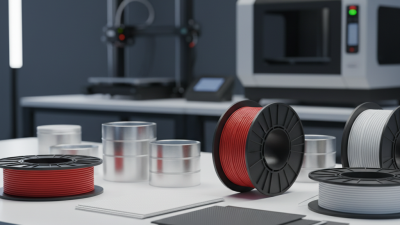
Modern prototyping materials, on the other hand, have changed the game. They include advanced polymers, composites, and innovative metals. These materials are lightweight, durable, and often more sustainable. For instance, new 3D printing filament options offer unique properties like flexibility and heat resistance, enabling intricate designs. Yet, these materials sometimes require specialized equipment and knowledge. This can create a steep learning curve for newcomers. The transition from traditional to modern materials isn't always smooth and may lead to unexpected challenges.
As we move towards 2026, understanding these differences is crucial. Embracing modern materials can significantly enhance prototyping efficiency. Still, one must remain aware of potential drawbacks, including cost and accessibility. The ultimate goal is to balance innovation with practicality, allowing for the successful realization of ideas.
Industry Applications: How Prototyping Materials Shape Product Development
Rapid prototyping is increasingly crucial in product development across industries. The choice of materials affects the effectiveness of prototypes. According to a recent industry report, over 70% of design teams prioritize material selection when developing new products. This decision impacts speed, cost, and functionality.
For industries like automotive and aerospace, advanced materials such as carbon fiber and thermoplastics are popular. These materials allow for lightweight yet durable prototypes. They enhance performance testing, leading to quicker development cycles. Furthermore, a study highlights that companies that utilize 3D printing with composite materials can reduce prototyping costs by nearly 50%. However, there are limitations. Some materials may not withstand high temperatures or be cost-prohibitive for small businesses.
Flexibility in prototyping materials is essential for innovation. Rapid prototyping offers a platform to test various materials before mass production. Yet, many teams often grapple with material properties, leading to inconsistent results. Continuous evaluation and adaptation of materials are necessary for overcoming such challenges. As the industry evolves, new materials will shape how companies approach product development and refinement.