Top 10 Rapid Prototyping Materials for Global Buyers?
In today's fast-paced market, choosing the right rapid prototyping materials is crucial for success. Businesses aim to innovate and create with speed and precision. Rapid prototyping materials play a significant role in turning ideas into tangible products quickly. Different industries, from automotive to medical, rely on these materials for effective prototyping.
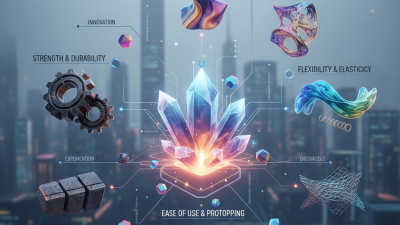
Understanding the various rapid prototyping materials available can empower buyers. Each material has unique properties that influence the prototyping process. For instance, some materials excel in durability, while others stand out for flexibility and speed. It is essential to match material properties with project requirements. However, selecting the best material can be challenging and requires thorough consideration.
There are pitfalls in the decision-making process for rapid prototyping materials. Often, decision-makers overlook specific project needs or budget constraints. The importance of expertise in choosing the right materials cannot be overstated. Prioritizing quality and reliability is vital, and learning from previous projects can guide future choices. Ultimately, the right rapid prototyping materials can lead to innovative solutions and enhanced design processes.

Importance of Material Selection in Rapid Prototyping
The selection of materials in rapid prototyping is critical. The right material impacts the final product's quality, functionality, and durability. Different applications require different properties from materials. For example, a flexible material may be suitable for consumer goods, while a rigid one might be more appropriate for automotive parts.
Tips: Always consider the intended use of your prototype. If it’s for visual presentation, an aesthetic material suffices. However, if you require functional testing, prioritize materials that mimic final production components. Choose materials that suit the level of detail needed in your prototype.
It's essential to remember that not all materials are equal. Some may not perform well under stress or in extreme conditions. This can lead to failures in testing phases, resulting in delays. Conduct thorough research and prototyping tests before committing to a single material. Using a variety of materials can also enhance your design options.
Tips: Don’t hesitate to experiment with combinations of materials. This could lead to unique solutions that optimize performance. Engage with experienced prototypers and seek feedback to refine your material choices.
Overview of Commonly Used Rapid Prototyping Materials
Rapid prototyping has transformed product development across industries. Selecting the right materials is crucial. Common materials include polymers, metals, and ceramics. Each has unique properties that cater to different needs.
Polymers, such as ABS and PLA, are widely used. They are easy to mold and provide excellent detail. According to a report by Wohlers Associates, plastics account for over 85% of all rapid prototyping materials used in 2022. However, they can lack durability in harsh conditions.
Metals, like titanium and aluminum, offer strength and longevity. They withstand extreme applications, making them suitable for aerospace and automotive sectors. Yet, metal printing processes can be time-consuming and expensive. Many companies still struggle with these aspects. Ceramics are another option, ideal for high-temperature applications. Despite their advantages, they are often brittle and challenging to work with. Balancing these factors is essential for effective prototyping.
Comparison of Mechanical Properties in Prototyping Materials
When selecting prototyping materials, understanding their mechanical properties is crucial. Material strength, flexibility, and durability determine the success of a prototype. For instance, ABS offers good toughness, making it a popular choice. However, it's not as heat-resistant as some other materials. Designers need to weigh these factors carefully.
Another material, PLA, boasts excellent dimensional stability. It is easy to print and biodegradable. However, it may not withstand high stress, limiting its applications. The choice between these materials can lead to significant differences in prototype performance and longevity.
Further complicating matters, some materials exhibit unpredictability during the prototyping process. Variability in properties can lead to unexpected results. Users often reflect on their past experiences to enhance future choices. Finding the perfect balance between mechanical strength and ease of printing can be a challenge. Each material has its strengths and weaknesses, requiring thoughtful consideration.
Trends in Adoption of Biodegradable Materials for Prototyping
The trend toward biodegradable materials in rapid prototyping is reshaping the industry. Recent studies show that the global biodegradable plastics market is projected to reach $28.5 billion by 2026. This shift reflects increasing environmental awareness among consumers and manufacturers. Many companies are now exploring sustainable alternatives to traditional materials like ABS and PLA.
Additive manufacturing, or 3D printing, is increasingly utilizing biopolymers. For instance, materials derived from cornstarch and sugarcane are becoming popular choices. Their properties, such as flexibility and durability, make them ideal for prototypes. However, there remains a gap in the performance of these materials compared to conventional plastics.
Experience and reliability are essential when selecting materials. According to industry experts, some biodegradable options may not perform at the same level under stress or temperature changes. This calls for further research and development. The growing need for eco-friendly solutions is pushing the industry toward innovation. Biodegradable prototyping materials offer promise but require careful consideration to balance sustainability with functionality.
Top 10 Rapid Prototyping Materials for Global Buyers
| Material Type |
Properties |
Biodegradable |
Common Applications |
| PLA (Polylactic Acid) |
Low melting point, easy to print |
Yes |
Concept models, packaging |
| PVA (Polyvinyl Alcohol) |
Water-soluble, non-toxic |
Yes |
Support material for 3D printing |
| PHA (Polyhydroxyalkanoates) |
Flexible, biodegradable |
Yes |
Medical applications, films |
| Cellulose |
Strong, renewable |
Yes |
Packaging, textiles |
| Starch-based Plastics |
Low cost, customizable |
Yes |
Food packaging, disposable items |
| Bio-Sourced Nylon |
Durable, heat resistant |
Yes |
Textiles, automotive parts |
| Tencel (Lyocell) |
Soft, breathable |
Yes |
Apparel, home textiles |
| Algae-based Plastics |
Renewable, lightweight |
Yes |
Packaging, automotive parts |
| Hemp Plastic |
Strong, biodegradable |
Yes |
Composites, construction materials |
Cost Analysis of Rapid Prototyping Materials in Global Markets
Rapid prototyping is transforming
product development across industries. Understanding the cost implications of various materials is crucial for global buyers.
From plastics to metals, each material brings unique benefits and challenges. For instance,
while thermoplastic options are often more affordable, they may not offer the durability needed for high-stress applications.
Additionally, metal-based prototypes can provide superior strength but come at a higher cost. Buyers must consider their budget alongside the intended use of the prototype.
Some materials may seem economically viable initially, but hidden costs can arise in post-processing.
Transport and handling should also be taken into account, as they can significantly affect overall expenses.
Buyers need to analyze their specific project needs, focusing on both short-term and long-term implications.
This evaluation can lead to potential waste if the chosen material does not meet performance expectations.
Addressing these factors proactively can improve decision-making. Ultimately,
cost analysis is not just about price; it’s about finding balance and suitability for the prototype's lifecycle.