2026 How to Choose the Best 3D Printing Materials for Your Projects?
In recent years, the demand for 3D printing materials has surged. According to a report by MarketsandMarkets, the global 3D printing materials market is projected to grow from $1.2 billion in 2021 to over $6 billion by 2026. This remarkable growth highlights the importance of selecting the right materials for various projects. Expert Dr. Sara Williams, a leading authority in additive manufacturing, emphasizes, "Choosing the right 3D printing materials can significantly enhance the quality and performance of a project."
Navigating the wide array of available 3D printing materials can be daunting. From PLA to nylon, each material offers unique properties suited for different applications. However, not every material fits every project. It's crucial for designers and engineers to understand the implications of their choices. A wrong decision can lead to project delays and increased costs.
Furthermore, sustainability weighs heavily on today's choices. Many 3D printing materials offer varying degrees of environmental impacts. The responsibility lies with practitioners to consider both quality and their project's ecological footprint. This reflection on material choice isn't just about the present; it's about the future of 3D printing and its role in sustainable innovation.
Understanding Different Types of 3D Printing Materials Available Today
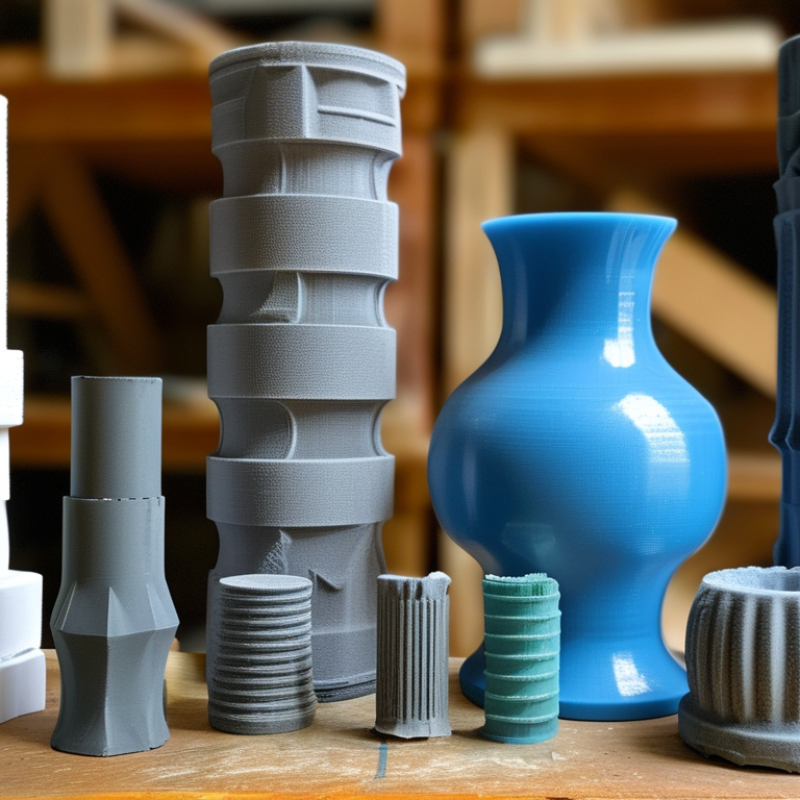
Choosing the right 3D printing materials is essential for achieving optimal results in your projects. Today, a variety of materials are available, each with its unique properties. Common options include PLA, ABS, PETG, and TPU. PLA is beginner-friendly and environmentally friendly. ABS offers strength and durability, making it ideal for functional prototypes. PETG combines the best of both worlds, providing strength and ease of use. TPU is flexible, perfect for applications requiring elasticity.
When selecting a material, consider the project's requirements. If it needs high strength, ABS might be the best choice. For complex designs or flexible parts, TPU could be the answer. Think about environmental factors too. Some materials may warp in high heat. Each material has its pros and cons, so testing different options could lead to better insights.
Tips: Always print a small test piece first. This can save time and material. Consider variable settings for different filaments. Adjusting temperature and speed can yield better results. Reflect on your past experiences with materials. What worked? What didn't? This self-assessment will inform your future selections.
Choosing the Best 3D Printing Materials for Your Projects
Factors to Consider When Selecting 3D Printing Materials for Projects
Choosing the right 3D printing materials is crucial for project success. Several factors influence the selection process. First, consider the environment where the printed object will be used. For example, will it face high temperatures or moisture? Materials like ABS can handle heat better than PLA. It's essential to match properties to project demands.
Another critical factor is strength and flexibility. Some projects require rigid parts, while others need elasticity. Filaments such as TPU offer flexibility, but may not hold up under heavy load. Testing small samples of various materials can illuminate their behaviors and help gauge a project’s needs accurately.
Cost-effectiveness also plays a role. Higher-quality materials might seem attractive but can strain budgets. Sometimes, less expensive options serve the same purpose adequately. It's worth exploring alternatives, but avoid compromising performance. Keep in mind, the choice of material can significantly impact the final outcome. Assess each option carefully and reflect on your decisions throughout the process.
Comparing Properties of Common 3D Printing Materials: PLA, ABS, PETG, and More
Choosing the right material for 3D printing is crucial. Each material has its unique strengths and weaknesses. PLA is popular for beginners due to its ease of use and biodegradability. However, it has a lower heat resistance. ABS, while more durable, can warp during printing and emits fumes. Research shows that ABS prints can lose structural integrity at temperatures above 100°C.
PETG combines the best of both worlds. It is strong, flexible, and resistant to temperature and moisture. However, it may not adhere to the print bed as effectively as ABS or PLA, leading to print failures. Studies indicate that parts printed with PETG can withstand impacts better than those made with PLA. This makes PETG suitable for functional parts.
Other materials, such as TPU, offer flexibility. However, they require specific settings to avoid print issues. Each material presents challenges that need attention. For instance, PETG can string, causing messy prints. A keen understanding of these materials ensures better project outcomes. Always consider the specific requirements of your project when selecting a 3D printing material.
Comparing Properties of Common 3D Printing Materials: PLA, ABS, PETG, and More
| Material |
Strength (MPa) |
Flexural Modulus (GPa) |
Heat Resistance (°C) |
Elongation at Break (%) |
Ease of Printing |
Applications |
| PLA |
50 - 70 |
3.5 - 4.0 |
60 - 65 |
6 - 10 |
Easy |
Prototyping, Toys |
| ABS |
30 - 50 |
2.0 - 2.5 |
80 - 100 |
20 - 30 |
Moderate |
Functional Parts, Automotive |
| PETG |
45 - 60 |
2.5 - 3.0 |
70 - 80 |
10 - 15 |
Easy |
Packaging, Bottles |
| TPU |
20 - 40 |
0.5 - 1.0 |
70 - 90 |
300 - 500 |
Moderate |
Flexible Parts, Seals |
Evaluating Cost vs Performance in 3D Printing Materials for Your Needs
When selecting 3D printing materials, cost and performance are critical. Finding the right balance can make or break a project. While cheaper materials may save money upfront, they often compromise strength or durability. Evaluate how the material interacts with your printer. Some filaments require higher temperatures, affecting overall costs.
Look at your project’s requirements. If it needs robust features, investing in higher-quality materials pays off. Yet, you might start with affordable options for prototyping. This approach helps test designs without overspending.
Tip: Always request samples before committing. This gives insight into material behavior and helps prevent costly mistakes. Pay attention to each material’s printability, post-processing needs, and long-term viability. Trial and error play a role in this process—it’s essential to reflect on what worked and what didn’t. Don't hesitate to adjust your material choices as your project evolves.
Sustainability and Innovation in the Latest 3D Printing Material Trends
Sustainability and innovation are key trends shaping 3D printing materials today. The market for eco-friendly materials has grown considerably, with a reported increase of over 25% in usage among manufacturers in the last year. More projects are now utilizing biodegradable polymers, sourcing renewable resources to reduce environmental impact. The push for sustainability is driving research into new materials that not only perform well but also align with eco-conscious values.
When selecting materials for your 3D projects, consider their life cycle. Some are recyclable and can minimize waste. According to industry reports, recycled PETG and PLA account for a substantial portion of the market. Think about the end-of-life of your printed objects. This can influence your choice of material significantly.
Tips: Explore local sourcing options. Using nearby materials can reduce transportation emissions. Experiment with blends of traditional and new materials for innovative results. Testing various compositions can improve mechanical properties and sustainability. It’s essential to stay updated on the latest trends to make informed decisions. Don’t hesitate to revisit your material choices as new information emerges, refining your approach along the way.