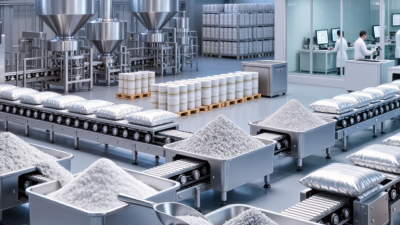
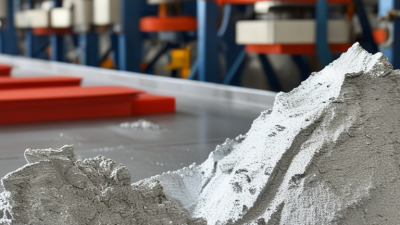
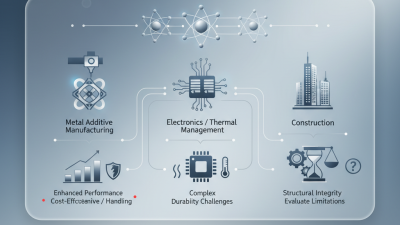
Choosing the right Atomized Aluminum Powder supplier requires more than comparing prices or reading polished product pages. The powder’s performance depends on particle size distribution, purity, morphology, oxygen content, and surface condition. These details affect flowability, packing density, conductivity, and consistency in real production. A reliable supplier should provide current certificates of analysis for each batch. Test results should match your required specifications. Ask how samples are collected, tested, stored, and approved before shipment.
Supplier experience also matters. Review their manufacturing history, quality system, traceability process, and experience with your application. A professional producer can explain how atomization conditions influence particle shape and powder behavior. They should answer technical questions clearly, without hiding behind vague claims. Check whether their facility follows recognized quality and workplace safety standards. Confirm that packaging protects the powder from moisture, contamination, and handling damage. Documentation should include safety data, labeling details, transport requirements, and relevant compliance information for your region.
No checklist is perfect. A promising supplier may still struggle with communication or lead times. Request a representative sample and compare it with your production requirements. Examine the powder under controlled conditions, then record flow, appearance, and test results. Discuss batch variation openly. Ask what happens when a shipment fails inspection. Transparent corrective actions reveal more than attractive brochures. Pricing matters, but unstable quality can create rejected batches, equipment adjustments, and costly delays. The best decision balances technical evidence, consistent service, responsible manufacturing, and long-term trust. A careful evaluation protects both product performance and the people handling the material.
Atomized aluminum powder is produced by breaking molten aluminum into fine droplets with gas or water, then solidifying those droplets into particles. Gas atomization usually creates cleaner, more spherical particles. Water atomization can produce irregular shapes and different surface characteristics. These differences affect flow, packing density, oxidation, and processing stability.
Its applications are broad. Spherical powder supports metal additive manufacturing because it flows smoothly through feeding systems. Fine grades may also serve thermal spray coatings, conductive materials, and selected sintering processes. Particle size distribution matters greatly. A powder with excessive fines can increase dust, oxidation, and handling concerns. A coarse grade may reduce surface quality or sinter poorly. Small details matter.
Choosing a supplier requires more than comparing price per kilogram. Request a current certificate of analysis, particle-size data, oxygen and moisture levels, morphology images, and lot traceability. Reliable suppliers should provide suitable safety documentation and sealed packaging. Ask how they control contamination during atomization, sieving, and filling. Production samples should be tested under your actual conditions, not only in a laboratory report. A lower-cost powder may create unstable flow or blocked filters later. I would also review delivery consistency and technical support. Specifications sometimes look complete, yet omit tap density or surface oxide information. That omission deserves a question.

Choosing a supplier starts with a precise description of your process. State the required aluminum purity, particle size distribution, particle shape, and surface condition. These details affect flowability, packing behavior, and final part performance. Ask for recent test reports, not general specification sheets. Compare actual batch data with your production limits.
Describe how the powder will be handled and used. Mention your equipment type, target density, mixing conditions, and acceptable variation. A supplier should explain its sampling method and testing standards clearly. Request lot traceability, packaging details, storage guidance, and a current safety data sheet. Small differences in oxidation or moisture can matter. They may appear minor on paper.
Purchasing requirements need equal attention. Confirm minimum order quantities, sample availability, production capacity, lead times, and delivery protection. Discuss how rejected material, delayed shipments, and specification changes will be managed. A written quality agreement can prevent costly misunderstandings. Check whether the supplier follows applicable local transport and workplace requirements. Do not assume every supplier uses the same definitions. Even “fine powder” can describe very different materials. A clean specification still may be incomplete. Real production conditions often reveal missing questions. Test a representative sample before approving regular supply.
Choosing an atomized aluminum powder supplier requires more than comparing price per kilogram. Quality begins with controlled atomization, consistent particle-size distribution, and documented batch traceability. I look for test results covering oxygen content, moisture, apparent density, tap density, flow rate, and particle morphology. Laser diffraction and microscopy should support the reported size range. One unchecked detail can change printing behavior, coating coverage, or powder flow.
Production capacity also matters. The U.S. Geological Survey reported about 70 million metric tons of global primary aluminum production in 2023, yet this figure does not prove powder-making capability. A serious supplier should explain its atomization equipment, inert-gas controls, screening process, contamination prevention, and lot-release criteria. Ask for retained samples and recent certificates of analysis. ISO 9001 certification is useful, but its value depends on the certified site and scope. ISO/IEC 17025 accreditation gives stronger confidence in laboratory testing. Certifications can look impressive. They are not automatic proof of stable powder.
Tips: Request three consecutive batch records, not one perfect sample. Check certificate expiry dates and issuing bodies. Compare the supplier’s particle-size tolerance with your process window. The ISO Survey 2022 recorded more than 1.2 million ISO 9001 certificates worldwide, so certification alone cannot separate excellent suppliers from average ones. I would also audit corrective-action records. A supplier that admits a past deviation may be more reliable than one claiming flawless production. That is worth questioning.
How to Choose the Right Atomized Aluminum Powder Supplier?
Price should be compared by usable kilogram, not invoice price alone. The World Bank Commodity Price Data shows noticeable monthly changes in aluminum benchmark prices. Ask suppliers to explain their pricing formula, surcharge rules, and quotation validity. A lower price may hide higher screening losses, inconsistent particle size, or costly imports. Request three recent lot certificates, including particle-size distribution, purity, moisture, and apparent density. The data should match your process requirements.
Delivery reliability needs measurable evidence. Confirm standard lead time, minimum order quantity, production capacity, and emergency availability. The 2024 Resilinc Supply Chain Resilience Report highlights continuing disruption risks across global manufacturing networks. Therefore, a supplier should offer realistic shipment dates and transparent delay procedures. Packaging also matters. Moisture-barrier bags, sealed drums, clear labels, and intact outer cartons reduce contamination and handling problems. Check whether packaging sizes fit your storage area. Small details matter.
Technical support separates a catalog seller from a dependable partner. Look for engineers who can interpret test reports, investigate lot variation, and recommend suitable grades without exaggeration. ISO 9001 certification supports process control, but it does not replace independent batch testing. Ask for a sample, a technical data sheet, and a documented complaint process. One uncomfortable lesson is that perfect promises can be less reliable than honest limitations. Suppliers should explain what they cannot guarantee.
How to Choose the Right Atomized Aluminum Powder Supplier?
Verifying Supplier Reliability Through Testing and Due Diligence
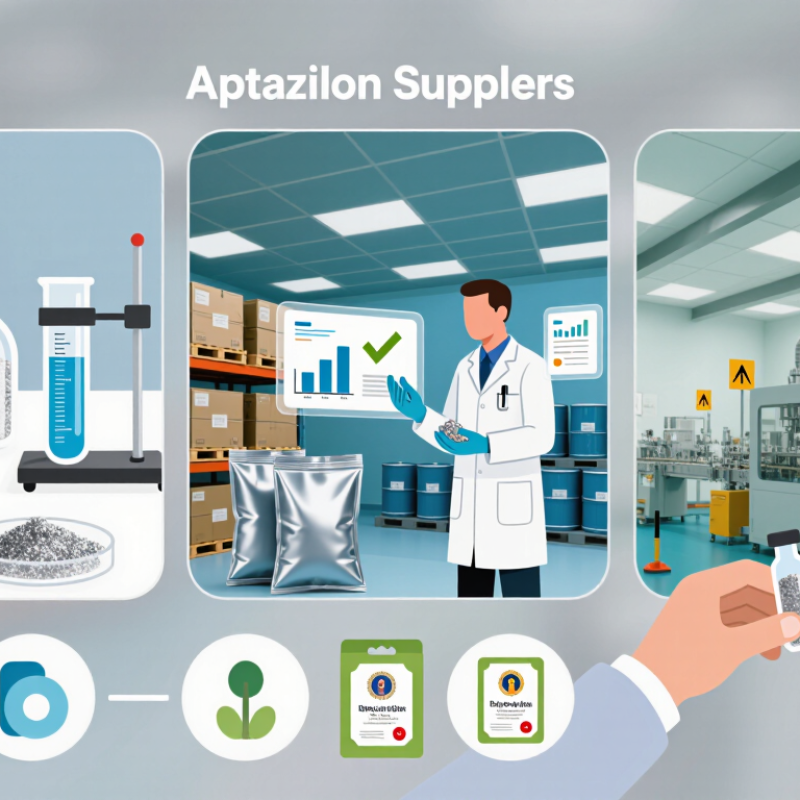
A dependable atomized aluminum powder supplier should provide more than attractive pricing. Request recent certificates of analysis for specific production lots. Check particle size distribution, oxygen content, tap density, morphology, and moisture levels. These figures should match your application requirements, not merely appear impressive on paper. Ask for a small sample before approving a larger order. Test its flow, packing behavior, and performance under your actual processing conditions.
Tips: Compare samples from different lots. Inspect the powder under magnification. Record unusual clumping, color changes, or inconsistent flow. Ask how the supplier controls contamination during atomization, screening, and packaging. Confirm that each container carries a traceable lot number. Contact the testing laboratory when results seem unclear. Small checks prevent expensive surprises.
Due diligence should also include a factory review, when practical. Examine storage areas, humidity controls, production records, and complaint procedures. A reliable supplier can explain delivery delays without hiding behind vague promises. Verify whether quality records are retained and whether corrective actions are documented. One lesson worth admitting: I once trusted a polished certificate too quickly. The sample performed well, but a later lot behaved differently. Supplier reliability is proven through repeated results, open communication, and evidence that survives careful questioning.
Supplier reliability evaluation framework for atomized aluminum powder procurement, qualification, and ongoing quality control
| Evaluation Dimension | Recommended Verification Test or Review | Practical Acceptance Benchmark | Evidence to Request from the Supplier | Weight | Risk Level |
|---|---|---|---|---|---|
| Chemical Composition | Independent laboratory analysis using ICP-OES, XRF, or another validated elemental-analysis method. | Aluminum content and alloying elements must meet the agreed purchase specification. No unapproved alloy substitution or unexplained impurity trend. | Batch-specific Certificate of Analysis (CoA), test method, instrument information, specification limits, and retained-sample policy. | 15% | Critical |
| Particle-Size Distribution | Laser diffraction analysis, commonly evaluated using ISO 13320 principles, plus sieve analysis where coarse particles are present. | D10, D50, D90, and maximum particle size remain within the agreed grade limits. Results should be reported with the measurement dispersion and sampling basis. | Particle-size report for each lot, sampling procedure, dispersion medium, instrument qualification record, and calibration history. | 15% | Critical |
| Particle Morphology | Scanning electron microscopy (SEM) or optical microscopy on representative samples. | Predominantly spherical or near-spherical particles for applications requiring good flow and packing; limited satellites, agglomerates, hollow particles, and irregular debris. | Representative micrographs, magnification details, sample-preparation method, morphology-control criteria, and defect examples. | 10% | High |
| Flowability | Hall flow or a comparable validated powder-flow method; apparent density and tap density testing. | Flow time and density must fall within the application-specific specification and remain consistent between lots. ASTM powder-flow methods may be used where applicable. | Lot-level flow and density data, test equipment details, conditioning procedure, and historical process-capability or trend charts. | 10% | High |
| Moisture and Volatile Content | Moisture analysis by a validated gravimetric, Karl Fischer, or equivalent method appropriate to the powder grade. | Moisture and volatile content must comply with the agreed limit; no visible caking, condensation, or packaging-related contamination. | Moisture test results, packaging inspection records, storage conditions, desiccant requirements, and maximum recommended storage period. | 8% | Critical |
| Oxygen and Surface Oxide Control | Oxygen analysis by an appropriate inert-gas-fusion or validated elemental method, supported by surface-condition review. | Oxygen level and oxide condition must meet the agreed grade requirement, particularly for additive manufacturing, thermal spray, and powder-metallurgy applications. | Oxygen test results, sampling plan, passivation or handling description, process controls, and trend data by production lot. | 10% | Critical |
| Batch Traceability | Document review and traceability exercise from finished powder back to raw material, production date, equipment, operators, and test records. | Every container must have a unique lot number, and the supplier should be able to retrieve complete production and test records within an agreed response time. | Traceability map, lot-label format, manufacturing record sample, retention period, nonconformance records, and recall procedure. | 10% | Critical |
| Quality Management System | Review the quality-management certificate and conduct a remote or on-site process audit. | A documented quality system, controlled procedures, internal audits, corrective-action process, and change-control procedure should be active and maintained. | Current ISO 9001 certificate where applicable, audit summary, corrective-action examples, calibration records, and management-review evidence. | 8% | High |
| Safety and Regulatory Compliance | Review the current Safety Data Sheet (SDS), hazard classification, labeling, transport documentation, and site safety controls. | Documentation must reflect the actual powder grade and intended market. Aluminum powder hazards, including combustible-dust and ignition risks, must be addressed through suitable controls. | Current SDS, technical data sheet, packaging and labeling specification, transport classification, dust-control procedures, and emergency-response instructions. | 10% | Critical |
| Packaging and Storage Stability | Packaging inspection, simulated transport review, and accelerated or real-time stability monitoring where relevant. | Containers must prevent moisture ingress, contamination, leakage, and electrostatic or mechanical damage during normal storage and transport. | Packaging drawings, closure specification, inner-liner material, storage-temperature limits, shelf-life basis, and transport test records. | 6% | High |
| Production Capacity and Consistency | Review production capacity, equipment maintenance, process controls, and quality trends from multiple consecutive lots. | The supplier should demonstrate repeatable results across at least three representative production lots, without unexplained shifts in chemistry, size distribution, flow, or oxygen content. | Capacity statement, production-flow diagram, preventive-maintenance schedule, three-lot qualification data, and business-continuity plan. | 5% | Medium |
| Technical Support and Complaint Handling | Assess response time, sample support, root-cause analysis, and corrective-action effectiveness during qualification and trial orders. | Technical questions should receive documented responses, and nonconformities should be handled through a defined corrective-action process with completion dates. | Quality agreement, escalation contacts, complaint form, corrective-action template, response-time commitment, and change-notification procedure. | 3% | Medium |