Best Uncoated Aluminum Powder Suppliers for Global Buyers?
When searching for uncoated aluminum powder, buyers worldwide face significant choices. This material is crucial in various industries, including aerospace, automotive, and electronics. Selecting the right supplier is vital for quality and reliability.
Reputable suppliers must demonstrate expertise in handling uncoated aluminum powder. They should provide consistent quality and transparent sourcing practices. However, not all suppliers meet these standards. It’s essential to research their backgrounds, customer reviews, and certifications.
Buyers often overlook the importance of supplier reliability. A single poor choice can compromise a project's success. Therefore, focusing on trusted suppliers ensures a steady supply of high-quality uncoated aluminum powder. Engaging with knowledgeable partners can lead to better outcomes and innovation in product development.
Overview of Uncoated Aluminum Powder and Its Applications
Uncoated aluminum powder is a versatile material widely used in various industries. It is primarily composed of fine aluminum particles, which can be easily manipulated for different applications. This powder is known for its light weight and corrosion resistance, making it a popular choice for paint, coatings, and fireworks. In many formulations, uncoated aluminum serves as a pigment or filler. Its properties enhance the durability and aesthetics of products.
The applications of uncoated aluminum powder extend to multiple sectors. In the automotive industry, it helps in reducing vehicle weight while maintaining strength. This is crucial for improving fuel efficiency. The aerospace sector benefits from its use in lightweight components. Additionally, in the construction industry, this powder finds use in thermal insulation materials. Despite its benefits, sourcing high-quality uncoated aluminum powder can be challenging. Issues like consistency and quality control often arise. Buyers need to be diligent in assessing suppliers to ensure reliability.
Environmental considerations play a role as well. While aluminum is recyclable, the production process can be energy-intensive. It's essential for manufacturers to adopt sustainable practices. Awareness of these factors can guide buyers toward more responsible choices. Ultimately, the right uncoated aluminum powder can significantly impact the effectiveness of the final product.
Best Uncoated Aluminum Powder Suppliers for Global Buyers
| Supplier Location |
Annual Production Capacity (Tons) |
Major Applications |
Export Markets |
Certification |
| North America |
5000 |
Aerospace, Automotive |
North America, Europe |
ISO 9001 |
| Europe |
8000 |
Additive Manufacturing, Coatings |
Global |
REACH Compliant |
| Asia |
12000 |
Construction, Electronics |
Asia, Australia |
ISO 14001 |
| South America |
3000 |
Paints, Plastics |
South America, Centra; America |
OHSAS 18001 |
Key Characteristics of High-Quality Uncoated Aluminum Powder
When evaluating uncoated aluminum powder, several key characteristics stand out. High-quality uncoated aluminum powder should exhibit consistent particle size. Uniformity ensures optimal performance in a variety of applications, including coatings, plastics, and aerospace materials. Buyers may find that variations in size affect the final product's behavior, leading to potential issues during processing.
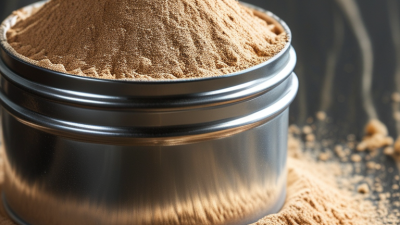
Another significant aspect is the appearance of the powder. A fine, free-flowing texture indicates higher purity. Impurities can result in unwanted reactions or subpar performance. Buyers should conduct visual inspections and consider purchasing samples for testing. This helps ensure quality before committing to larger orders.
Additionally, the powder's moisture content plays a vital role in its usability. Excess moisture can lead to clumping and hinder performance. Reliable suppliers provide detailed specifications, allowing buyers to assess moisture levels effectively. However, not all suppliers offer this level of transparency. It's essential for buyers to verify this characteristic with potential suppliers. Each of these elements contributes to a more effective purchasing decision.
Top Suppliers of Uncoated Aluminum Powder Globally
Finding reliable suppliers of uncoated aluminum powder is crucial for global buyers. This material is used in many industries, from automotive to cosmetics. A solid supplier base ensures consistent quality and timely deliveries. However, not all suppliers have the same level of expertise or customer service.
When evaluating suppliers, prioritize quality certifications. Many reputable suppliers have passed industry-standard tests. This provides assurance of product integrity. Buyers should also consider the supplier’s experience. Companies with a proven track record often understand the unique needs of their clients better.
Tips: Always request samples before making large orders. This allows for quality assessment. Communication is key; reach out and ask about their production processes. Engaging with suppliers directly can reveal much about their reliability. Take the time to compare different suppliers. A thoughtful approach can lead to better partnerships. This will enhance your procurement strategy and ensure your needs are met.
Factors to Consider When Choosing Aluminum Powder Suppliers
When selecting aluminum powder suppliers, it’s essential to evaluate several critical factors. The first consideration is the supplier's reliability. Check their track record and customer feedback. A supplier with a solid reputation often provides better quality products. Quality assurance processes also play a vital role in ensuring the powder meets industry standards.
Another factor to think about is the supplier’s expertise in aluminum powder production. Experience in the field can lead to better insights and more tailored solutions. Look for suppliers who offer a variety of aluminum powder types and specifications. This indicates a comprehensive understanding of market needs.
Price is always a significant concern, yet it should not be the only deciding factor. The cheapest option may compromise quality or service. Consider the overall value instead. Additionally, communication is key. A supplier who is responsive and informative can help streamline the ordering process. Ultimately, finding the right supplier requires careful assessment and a balance between many elements.
Trends and Innovations in the Aluminum Powder Industry
The aluminum powder industry is experiencing significant trends and innovations. Uncoated aluminum powder, in particular, is gaining traction due to its versatility. Many industries, from aerospace to automotive, are finding new applications for this lightweight material. The demand for eco-friendly products is also influencing production methods, leading to cleaner and more sustainable processes.
One notable innovation involves the refinement of production techniques. Manufacturers are adopting advanced milling processes. These improvements enhance the particle size distribution, leading to better performance in applications. However, not all suppliers can meet these new standards. The industry is witnessing disparities in quality. Buyers must carefully evaluate potential suppliers to ensure they meet stringent requirements.
Moreover, regulatory compliance is becoming increasingly important. Suppliers who fail to adapt may struggle to retain market share. The industry must focus on transparency and accountability. Certifications and quality assurance are essential for building trust. As global buyers seek reliable partnerships, the emphasis on innovation and sustainability will shape the future of aluminum powder. Adapting to these trends is not just beneficial, but necessary for success.
Global Aluminum Powder Supply Trends