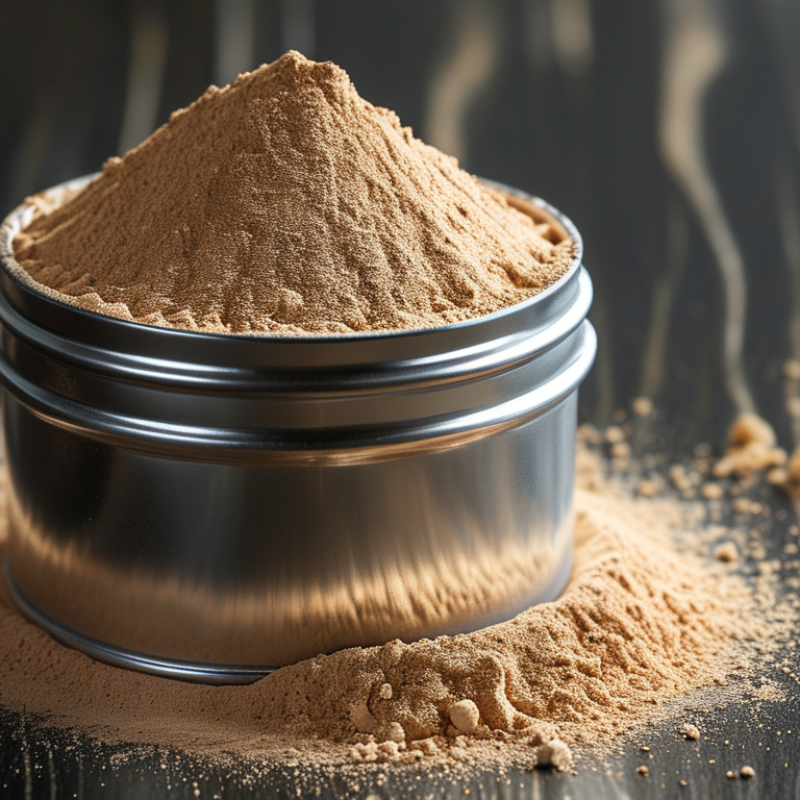
Ultimate Guide to Buying Bulk Aluminum Powder Safely?
When considering Bulk Aluminum Powder for your projects, safety and quality are paramount. This guide offers insights on how to navigate the purchasing process effectively. Understanding both the benefits and risks associated with aluminum powder is crucial for making informed decisions.
Bulk Aluminum Powder can be used in various applications, from manufacturing to artistic endeavors. Despite its versatility, proper handling and sourcing are critical. It's essential to choose reputable suppliers who prioritize safety standards.
The market for Bulk Aluminum Powder is vast. However, not all products are created equal. Potential buyers should be vigilant and do thorough research. Factors like particle size, production methods, and supplier credibility can significantly impact your experience. The goal is to achieve the best outcome while ensuring compliance with safety regulations.
Understanding Aluminum Powder: Properties and Uses
Aluminum powder is a fine metallic material often used in various industries. Its lightweight nature and high surface area make it ideal for applications in pyrotechnics, paints, and coatings. The powder can enhance the efficiency of chemical reactions, particularly when used as a fuel in thermite mixtures. This property makes it a popular choice among researchers and manufacturers alike.
When handling aluminum powder, safety is a primary concern. The fine particles are highly flammable and can pose inhalation risks. It is crucial to store the powder in cool, dry places away from any ignition sources. Protective gear, such as masks and gloves, is essential when working with this material. Even a small oversight can lead to serious consequences.
Understanding the characteristics of aluminum powder is vital for its safe usage. The particle size affects reactivity, which can be both an advantage and a drawback. Some users may find that using ultra-fine powder increases risks without significantly improving performance. Exploring these factors is important in determining the most suitable form of aluminum powder for your needs. Reflecting on past experiences can provide valuable insights into the best practices for handling it safely.
Identifying Safe Suppliers for Bulk Aluminum Powder
When looking for aluminum powder suppliers, safety must come first. Ensure that the supplier provides Material Safety Data Sheets (MSDS) for their products. This document details the chemical properties and potential hazards of the aluminum powder. If a supplier cannot provide this, it raises red flags about their reliability and safety practices.
Valid certifications are crucial. Check if the supplier complies with industry standards, such as ISO certifications. These standards reflect a commitment to quality and safety in handling materials. It's wise to ask for references or feedback from previous customers. Reliable suppliers often showcase testimonials and case studies to back their claims.
Communication is key. A knowledgeable supplier should answer your questions promptly and clearly. If they struggle to explain safety protocols or handling procedures, consider it a warning sign. Safety is not an afterthought; it should be an integral part of their operations. Engaging with suppliers who prioritize transparency and education contributes to a safer purchasing experience.
Aluminum Powder Supplier Safety Ratings
Assessing Quality and Purity Standards in Aluminum Powder
When purchasing aluminum powder in bulk, assessing quality and purity is essential. The purity level directly impacts performance in applications such as metal coatings and 3D printing. Look for suppliers who provide certification, ensuring their products meet industry standards. A purity rating of 99% or higher is often desirable. This level of quality enhances the final product’s strength and durability.
Visual inspection plays a role, too. Quality aluminum powder should have a consistent color and texture. Clumps or discoloration can indicate contamination. Particle size also matters, as it affects how the powder behaves in various applications. Suppliers should offer detailed specifications of their products, including particle size distribution.
However, not all suppliers are transparent. Some may obscure critical details about production methods. Verify claims through third-party testing results. Building trust in a supplier’s reliability takes time and due diligence. Ask for samples to conduct your own purity tests before placing significant orders. Navigating these nuances ensures you make informed decisions and prioritize safety in purchasing aluminum powder.
Storage and Handling Guidelines for Aluminum Powder
Storing and handling aluminum powder requires careful attention due to its reactive nature. According to the Chemical Safety Board, aluminum powder can pose a combustion hazard if not managed correctly. Experts suggest a cool, dry environment for storage. Humidity can lead to oxidation, which compromises the quality.
Containers must be airtight to prevent moisture ingress. Ideally, they should be made from materials that do not react with aluminum. Commonly recommended are non-reactive plastics or stainless steel. The Occupational Safety and Health Administration emphasizes that aluminum powder must be stored away from heat sources and incompatible materials.
Handling should prioritize safety protocols to mitigate dust explosion risks. Workers should wear protective gear and use local exhaust ventilation. Studies have shown that proper handling reduces risks significantly. Despite these guidelines, many facilities still struggle with inconsistent practices. Regular training and safety audits are essential to uphold standards in storage and handling.
Regulatory Considerations When Buying Aluminum Powder in Bulk
When purchasing aluminum powder in bulk, regulatory considerations are paramount. Regulatory bodies such as the Occupational Safety and Health Administration (OSHA) and the Environmental Protection Agency (EPA) impose strict guidelines on the handling and transportation of aluminum powders. Failure to comply can lead to significant penalties, or worse, accidents at the workplace. These powders can pose health risks if not stored or managed properly, making understanding regulations a necessity for any buyer.
In recent reports, industry experts noted that nearly 30% of aluminum dust incidents stemmed from improper handling. Suppliers must provide detailed safety data sheets (SDS) with every purchase. This allows businesses to understand the properties and hazards associated with aluminum powder. Working with compliant suppliers not only ensures safe handling but also streamlines operations and minimizes risks.
Additionally, manufacturers in the aluminum industry must adhere to international standards like ANSI and ISO certifications. These standards offer benchmarks for quality and safety. By ensuring that suppliers meet these regulations, companies protect their workforce and uphold environmental standards. Not meeting these can not only harm employees but can also lead to reputational damage. Thus, due diligence in supplier selection is not just wise, but essential.