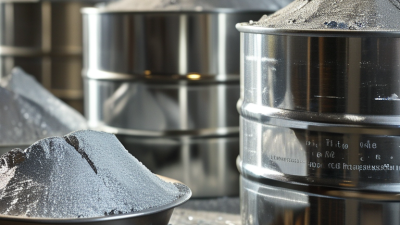
The demand for 3D metal powder is rapidly increasing in various industries, from aerospace to healthcare. Industry expert Dr. Michelle Tan, a leading researcher in additive manufacturing, states, "The quality of 3D metal powder directly influences the success of any additive process." This underscores the importance of sourcing quality materials.
Many buyers face challenges in evaluating suppliers. A lack of clear standards can lead to confusion. Effectively, this can affect project timelines and final products. Buyers must be cautious when choosing suppliers. Each company has its own set of capabilities and certifications.
As global competition grows, the pressure for innovation in 3D metal powder technology is palpable. Buyers need not only to understand their own requirements but also to research potential suppliers thoroughly. This is vital in ensuring successful manufacturing processes. The journey in the 3D metal powder industry is complex but rewarding. Understanding the marketplace will lead to better choices.
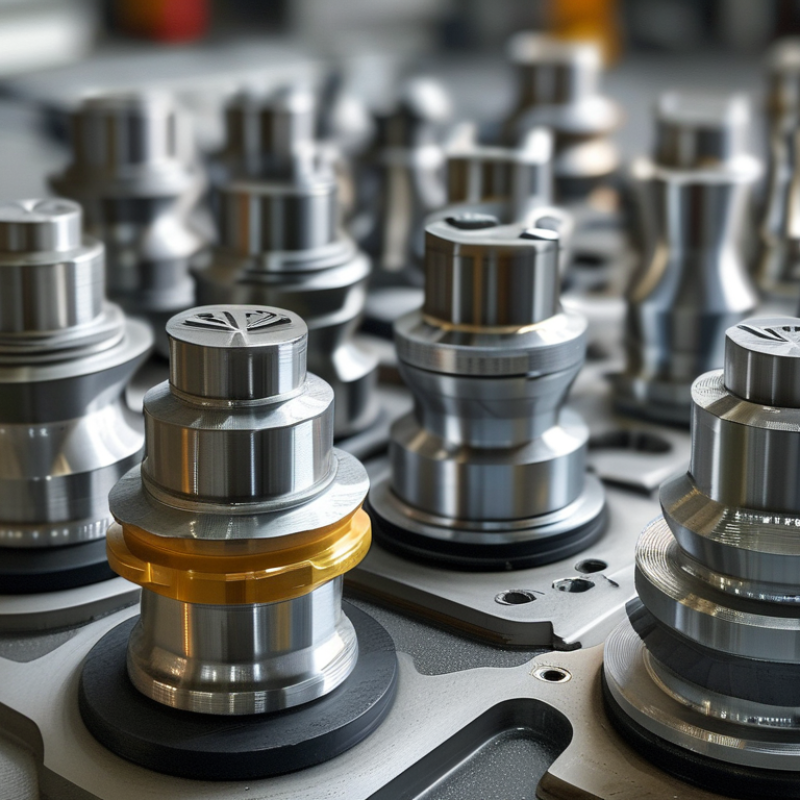
3D metal powder has revolutionized various industries, enabling complex designs and innovative applications. This material, primarily used in additive manufacturing, provides strength and durability in finished products. According to a recent industry report, the global 3D metal printing market is expected to grow significantly, reaching over $10 billion by 2028. This growth reflects the increasing demand for lightweight and high-performance components.
Applications of 3D metal powder span various fields, including aerospace, automotive, and medical industries. For instance, aerospace companies utilize titanium alloys for parts that require high strength-to-weight ratios. In medical applications, bespoke implants and prosthetics made from cobalt-chromium alloys offer tailored solutions for patients. However, challenges remain in the consistency of powder quality and processing parameters.
Many manufacturers are constantly refining their production techniques. Ensuring uniform particle size and shape is critical. Reports highlight that approximately 30% of manufacturers experience variability in powder performance. Addressing these inconsistencies is key for advancing metal additive manufacturing. Continued investment in R&D and material science will help overcome these hurdles.

High-quality 3D metal powder plays a vital role in additive manufacturing. Its characteristics significantly influence the final product's strength and precision. One primary aspect is particle size distribution. Diverse sizes improve packing density, which is crucial for achieving optimal layer adhesion during printing.
Another important feature is flowability. The powder should flow smoothly to ensure consistent feeding into 3D printers. Poor flow can lead to issues like clogging or uneven layers, negatively impacting the part quality. Cleanliness is also essential. Contaminants in the powder can affect the properties of the finished product.
Powder morphology is often overlooked but critical. Spherical particles tend to enhance packing and flow characteristics. However, irregular shapes may present challenges in certain applications. It's crucial to reflect on these traits when sourcing metal powder for 3D printing. The right choice can lead to better outcomes, while oversight can result in significant production setbacks.
The demand for 3D metal powder is rapidly rising in various industries, including aerospace, automotive, and healthcare. According to a report by MarketsandMarkets, the global market for metal powders is projected to reach $8.4 billion by 2026. This indicates a compound annual growth rate (CAGR) of 5.1% from 2021 to 2026. The growth reflects an increasing adoption of additive manufacturing technologies, which require high-quality metal powders.
Leading suppliers in the market focus on using advanced techniques for powder production. Techniques include gas atomization and water atomization, which create distinct particle shapes and sizes. For example, spherical metal powders tend to enhance flow characteristics during the printing process. However, suppliers must address challenges like powder uniformity and distribution. Quality control is essential to ensure that the materials meet stringent industry standards.
Another important aspect is the sustainability of sourcing practices. Some suppliers have begun integrating recycled metal powders into their offerings. This not only reduces waste but also aligns with the growing emphasis on environmental responsibility in manufacturing. Transparency in sourcing is crucial for maintaining trust and credibility in the market. Overall, while the landscape of 3D metal powder suppliers continues to improve, ongoing challenges remain in quality and sustainability.
Selecting reliable suppliers of 3D metal powder is crucial for manufacturers aiming to produce high-quality parts. Industry reports indicate that the global 3D metal printing market is expected to reach $8.5 billion by 2025. This growth emphasizes the need for trustworthy suppliers in this competitive space. Buyers should focus on the supplier's experience in the field. A well-established supplier often has a proven track record in delivering consistent quality.
Quality assurance is vital. Look for suppliers who adhere to recognized industry standards like ISO 9001. These certifications provide assurance that the metal powders meet specific performance criteria. Pay attention to the range of materials offered. High-quality suppliers should provide various metal powders, including titanium and aluminum, each suited for different applications.
Consider the supplier's customer service and technical support. Effective communication can make a difference in resolving issues quickly. Examine their responsiveness to inquiries or concerns. A supplier who provides timely information about material properties and handling can significantly impact your production efficiency. Reviewing feedback from current or past clients might reveal strengths and weaknesses worth noting.
The future of the 3D metal powder market is shaped by several key trends. Experts predict a significant growth trajectory, with the market expected to reach USD 2.4 billion by 2028, expanding at a CAGR of 22.5% from 2021 to 2028. This growth is driven by increasing adoption in aerospace and automotive sectors. These industries demand lightweight, high-performance components, making 3D metal powders essential.
Advancements in production technologies are also influencing the market. New processes yield higher purity and regular particle shapes. However, these advancements also pose challenges. The industry must address issues related to material consistency and supply chain fluctuations. For instance, variances in powder quality could impact end-product performance, particularly in critical applications like aerospace.
Sustainability is another focus area. Companies are exploring recycling methods for metal powders, aiming to reduce waste. This shift is vital but requires significant investment and innovation. As stakeholders navigate these changes, maintaining quality and addressing market needs will be paramount. The blending of technology and strategic partnerships may become crucial for success.