Top Metal 3D Printers for Global Procurement in 2026?
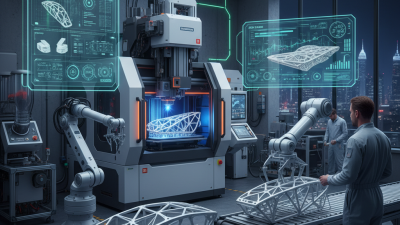
As the demand for advanced manufacturing solutions grows, Metal 3D Printers are gaining significant attention in various industries. In 2026, global procurement of these machines is expected to rise dramatically. Industry expert Dr. Emily Carter emphasizes, "The future of manufacturing hinges on our ability to innovate with Metal 3D Printers." Her insights highlight the crucial role these technologies play in shaping production processes.
Metal 3D Printers offer unique advantages, such as the ability to create complex geometries that traditional manufacturing cannot achieve. They are rapidly becoming essential tools in sectors like aerospace and healthcare. However, challenges remain. The high cost of these machines and the need for specialized knowledge can hinder their adoption.
Moreover, not every company is ready for this shift. While some have embraced the technology, others are still cautious. The journey toward fully integrating Metal 3D Printers into manufacturing routines requires careful consideration. Developing a strategic approach to procurement is vital for success in this evolving landscape.

Top Features to Look for in Metal 3D Printers in 2026
In 2026, the landscape of metal 3D printing is expected to evolve drastically. Leading features to consider include build size, print speed, and material versatility. A larger build size allows for the production of bigger parts, reducing the need for assembly. Speed impacts overall productivity, crucial for industries that demand rapid prototyping. Material variety enhances applications across aerospace, automotive, and medical fields, improving design freedom.
Another critical feature is user-friendly software. Advanced software enhances usability, enabling precise control over the printing process. Additionally, the integration of AI for predictive maintenance can minimize downtime and increase reliability. Many printers will likely focus on energy efficiency to reduce costs. However, assessing the long-term durability of these machines often requires more attention.
Despite advancements, challenges persist. Users may encounter difficulties in mastering new techniques and understanding complex printing parameters. Regular training and updates are essential for maximizing printer capabilities. It’s important to evaluate the potential risks associated with new technology. Embracing innovation can drive progress, but careful consideration of these factors is vital in the procurement process.
Key Players in the Metal 3D Printing Industry for Global Procurement
The metal 3D printing industry is poised for significant growth by 2026. Research reports project a remarkable expansion, with expected market value reaching above $4 billion. Key players in this sector are investing in innovation and sustainability, crucial for global procurement. Their technologies are transforming production across various industries, including aerospace and automotive.
Many players focus on custom metal solutions. However, the challenge lies in material standardization. With numerous alloys and processes available, it’s essential to assess which options best suit specific applications. According to industry statistics, around 20% of firms face difficulties in finding suitable materials, highlighting the need for extensive testing and development.
Tip: When exploring metal 3D printing options, prioritize suppliers that offer comprehensive material and process guidance. Engage with experienced partners who understand your unique requirements.
Despite advancements, there remain gaps in quality assurance. Many businesses encounter inconsistencies in product outcomes. Implementing robust quality control measures is critical. As noted in recent surveys, over 30% of respondents experienced issues with surface finish and dimensional accuracy.
Tip: Regularly review quality metrics and seek out standardized processes to mitigate risks. Collaborating with reputable technical experts can help navigate these complexities effectively.
Sustainability Considerations for Metal 3D Printing in Global Markets
Metal 3D printing is gaining traction globally, driven by sustainability needs. Companies are increasingly focused on reducing waste in production. According to a recent industry report, traditional manufacturing can produce waste up to 70%. Metal 3D printing minimizes this by using only the necessary material for production.
Recycled metals are becoming a significant component of 3D printing materials. Some studies indicate this trend could cut emissions by 40% in specific sectors. However, challenges remain. The melting and recycling processes can consume large amounts of energy. This raises questions about the overall environmental benefit of recycled materials.
Furthermore, not all metals are easily recyclable. The complexity of materials can lead to variations in quality. Ensuring consistent standards is crucial for widespread adoption. As the market evolves, the need for improved recycling methods will become imperative. Balancing innovative technology with environmental responsibility is a pressing concern for the industry.
Market Trends and Predictions for Metal 3D Printers by 2026
In the world of manufacturing, metal 3D printing is gaining traction. By 2026, the demand for these printers is expected to surge. Companies are exploring advanced materials to push the boundaries of innovation. More organizations are adopting this technology for created tailored solutions. This shift reflects the industry's need for efficiency and cost-effectiveness.
Current trends reveal a growing focus on sustainability. Eco-friendly materials are becoming increasingly popular. This change is fueled by rising awareness of environmental concerns. However, challenges remain. Not all businesses can adapt to new technologies seamlessly, leading to potential mismatches. Moreover, the skill gap in operating advanced printing systems is significant.
As the market evolves, collaboration will become crucial. Manufacturers need to partner with research institutions to drive innovation. Education will play a vital role in bridging the knowledge gap. Companies must invest in training programs for their workforce. This proactive approach can help ensure that metal 3D printing reaches its full potential.
Top Metal 3D Printers for Global Procurement in 2026 - Market Trends and Predictions
| Feature |
2023 |
2024 |
2025 |
2026 |
| Market Size (USD Billion) |
2.4 |
3.1 |
4.0 |
5.5 |
| Growth Rate (%) |
15 |
22 |
25 |
30 |
| Key Materials |
Aluminum, Steel |
Titanium, Nickel |
Cobalt, Bronze |
New Alloys |
| Main Industries |
Aerospace, Automotive |
Medical, Defense |
Tooling, Energy |
Consumer Goods |
| Market Challenges |
Cost of Entry |
Material Availability |
Technical Expertise |
Regulatory Compliance |