Why Choose Anodized Powder Coat for Your Projects?
In recent years, the demand for Anodized Powder Coat has surged in various industries. This surface finishing technique is celebrated for its durability and aesthetic appeal. According to a report by Research and Markets, the global powder coating market is projected to reach $43 billion by 2027. This growth reflects how industries are increasingly investing in high-quality coatings.
Expert John Smith, a recognized authority in the coating industry, states, “Choosing Anodized Powder Coat means prioritizing long-lasting protection and visual excellence.” His insights highlight why businesses consider this option for their projects. Anodized Powder Coat offers enhanced resistance to scratching, fading, and corrosion, making it ideal for both functional and decorative applications.
Nonetheless, some challenges remain. Implementing Anodized Powder Coat can require significant upfront investment. Additionally, not all materials respond equally well to anodizing processes. Companies must weigh these factors carefully. Despite potential drawbacks, its advantages often outweigh concerns.
Understanding Anodized Powder Coating: A Primer
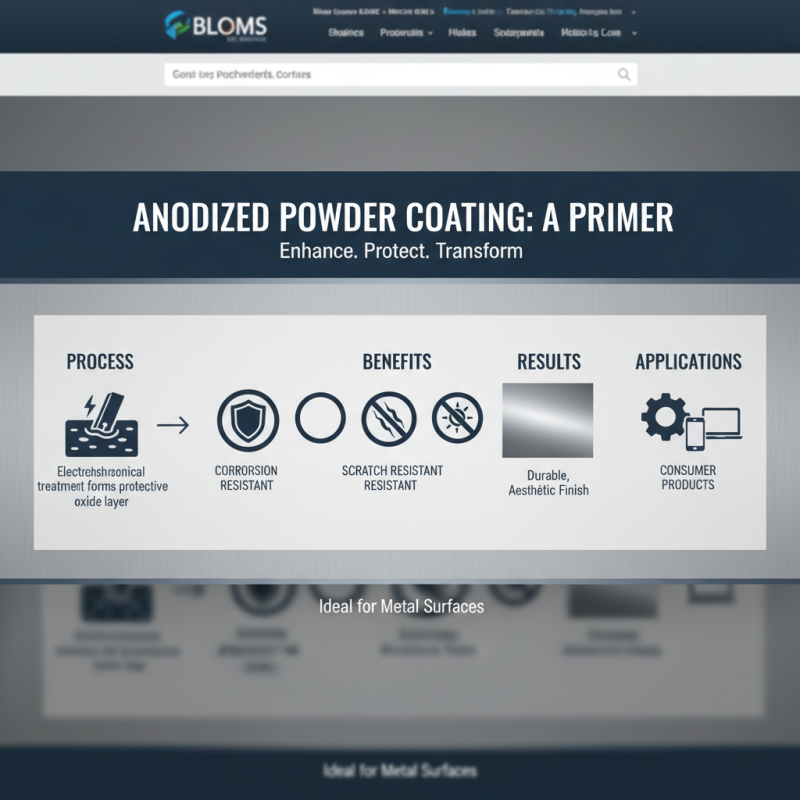
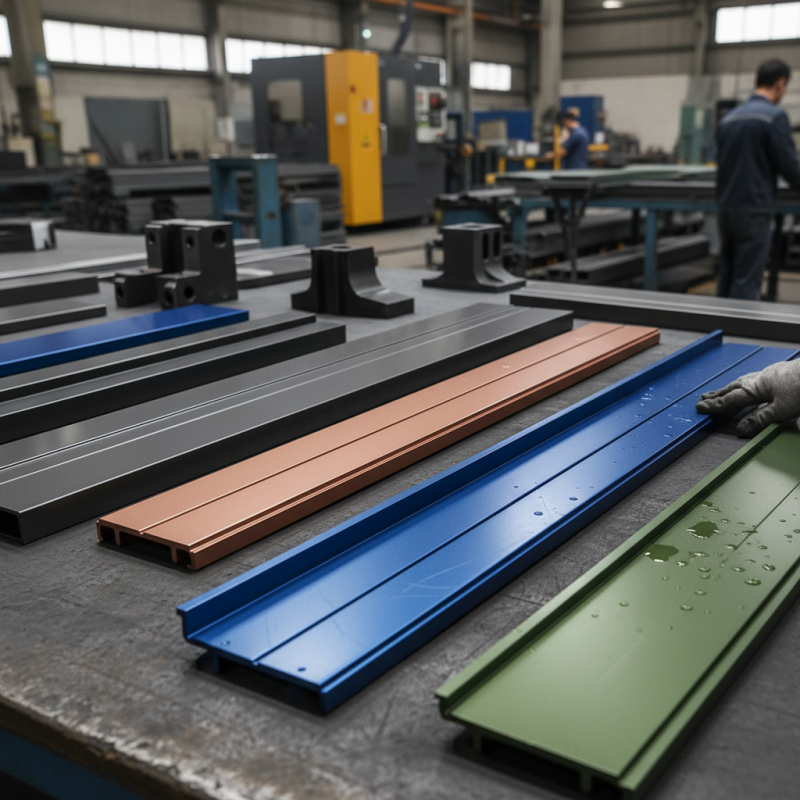
Anodized powder coating is a transformative process that enhances the durability and aesthetics of metal surfaces. This method involves an electrochemical treatment that creates a protective oxide layer. The result is a finish resistant to corrosion, scratches, and fading. It's ideal for various applications, from industrial components to consumer products.
One significant advantage of anodized powder coating is its versatility. The process allows for a range of colors and textures. Designers can choose finishes that fit their vision while ensuring long-lasting quality. However, achieving perfect consistency can sometimes be challenging. Variations in application techniques may lead to differences in texture or color across batches.
Users should also consider the environmental impact of their choices. While anodized finishes are generally more sustainable compared to traditional paint, the initial energy use can be high. Reflecting on all aspects is crucial for making informed decisions. Evaluating the balance between aesthetics, functionality, and environmental responsibility will lead to better project outcomes.
Benefits of Anodized Powder Coating for Durability and Longevity
Anodized powder coating offers remarkable advantages for enhancing durability and longevity in various projects. This process not only provides a protective layer to metal surfaces but also ensures resistance against corrosion, wear, and fading. The anodized finish creates a hard surface, making it ideal for both indoor and outdoor applications. Its ability to withstand harsh environmental conditions is a key reason why many professionals prefer this method.
When considering anodized powder coating, it’s essential to ensure proper surface preparation. A clean surface allows for better adhesion and ultimately improves the lifespan of the coating. Tips for preparation include sanding or blasting surfaces to remove any imperfections. This step is critical. Often overlooked, it directly impacts the effectiveness of the coating.
Moreover, color retention is a vital benefit of anodized powder coating. Unlike traditional paint, it maintains its vibrancy over time. However, not all colors may achieve the same level of durability. Some hues may fade faster than others, requiring careful selection. It’s wise to consult with experts to choose colors that offer long-term stability. Even minor mistakes in choosing the wrong color can lead to unsatisfactory results.
Why Choose Anodized Powder Coat for Your Projects? - Benefits of Anodized Powder Coating for Durability and Longevity
| Feature |
Benefit |
| Corrosion Resistance |
Prevents rust and degradation over time. |
| UV Stability |
Resists fading and maintains color vibrancy. |
| Scratch Resistance |
Durable surface that withstands wear and tear. |
| Environmentally Friendly |
No volatile organic compounds (VOCs) released during application. |
| Versatile Finishes |
Wide range of colors and textures available. |
| Low Maintenance |
Easily cleaned with soap and water, reduces upkeep costs. |
| Enhanced Aesthetics |
Provides a sleek, modern look boosting overall appeal. |
Environmental Impact: Why Anodized Powder Coating Matters
Anodized powder coating is more than just an aesthetic choice. It significantly minimizes environmental impact, making it a responsible option for many projects. The production of anodized finishes uses less energy compared to traditional methods. This not only reduces carbon emissions but also conserves resources.
Moreover, anodized powder coatings are chemically stable. They release fewer volatile organic compounds (VOCs) during application. This contributes to healthier air quality in surrounding areas. However, it’s important to note that the recycling process for anodized materials can be more complex. Not all facilities are equipped to handle it efficiently.
Choosing anodized coatings can mean prioritizing sustainability. Designers and builders need to consider the entire lifecycle of materials. While anodized powder coating benefits the environment in many ways, ongoing education is vital. Understanding the nuances can help ensure responsible decisions in construction and manufacturing.
Environmental Impact of Anodized Powder Coating vs. Traditional Paints
Applications of Anodized Powder Coating in Various Industries
Anodized powder coating is increasingly popular across various industries due to its durable properties and aesthetic appeal. In the architectural sector, anodized coatings provide not just corrosion resistance but also a vibrant finish.
According to the Powder Coating Institute, the market for anodized coatings in architecture is set to exceed $1 billion by 2025. This indicates a growing recognition of its importance in building longevity and visual enhancement.
In the automotive industry, anodized powder coating protects vehicle components from wear and tear. A study by the Automotive Coating Alliance revealed that vehicles with anodized finishes exhibit a 30% reduction in surface damage compared to traditional coatings. Yet, the challenge remains in ensuring consistent quality across batches due to varying environmental conditions. It requires constant vigilance in manufacturing processes to maintain standards.
In electronics, anodized finishes help in thermal management. Devices with anodized surfaces showcase improved heat dissipation. Despite these benefits, some manufacturers overlook the importance of thorough surface preparation, which can lead to coating failure. Efficiency in production can sometimes compromise quality, urging industry experts to emphasize the need for meticulous attention to detail.
Comparing Anodized Powder Coating to Other Finishing Options
When considering finishing options, anodized powder coat stands out in several key areas. This method involves a chemical process that creates a protective layer on metal surfaces. Unlike traditional paint, it offers superior durability and resistance to scratches, corrosion, and UV rays. This makes it ideal for outdoor applications where exposure to harsh elements can degrade other finishes quickly.
Comparing anodized powder coating to other methods reveals distinct advantages. For instance, liquid paint often requires multiple coats and can chip easily over time. In contrast, anodized finishes are more uniform and can accentuate the natural beauty of the metal. However, the process can be capital-intensive and may not be suitable for all budgets. Additionally, once applied, the finish can be challenging to modify or remove. These factors should be carefully considered based on specific project requirements.
In practical applications, anodized powder coating is often favored in architectural elements and automotive parts. Yet, it’s crucial to weigh its benefits against limitations. Some might find the color options more restricted compared to liquid paints. On the other hand, its environmental impact is favorable, as it typically generates less waste. Balancing performance against such considerations can help determine if anodized powder coat is the right choice for your project.