Top 10 Benefits of Anodized Powder Coat for Your Projects?
The Anodized Powder Coat has become increasingly popular in various industries. This innovative finish provides a remarkable aesthetic appeal while offering practical benefits. Designed to enhance the durability of surfaces, it ensures that projects stand the test of time.
Many professionals appreciate the versatility of Anodized Powder Coat. It can be applied to different materials, making it suitable for a wide range of applications. From automotive parts to household items, its unique properties make it a preferred choice. However, despite its many advantages, not all industries fully embrace this technology. Some still rely on traditional coatings, which may not offer similar benefits.
Understanding the top benefits of Anodized Powder Coat can help inform your decisions. By delving into its features, you can better assess its value for your projects. This exploration will also highlight areas for improvement and considerations for effective application. With proper knowledge, you can make informed choices that will ultimately enhance your project's success.
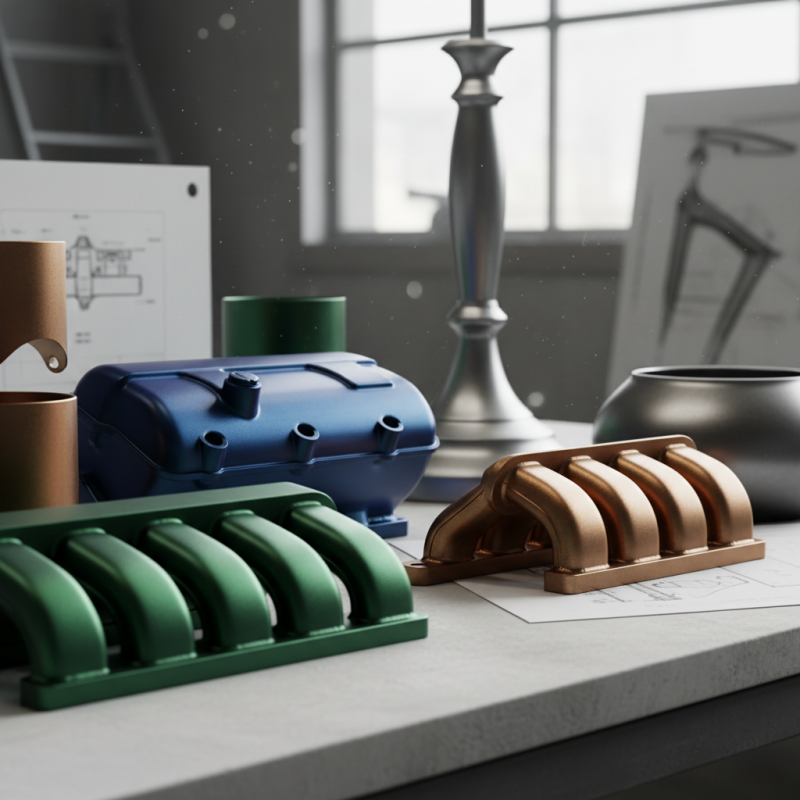
Understanding Anodized Powder Coating and Its Process
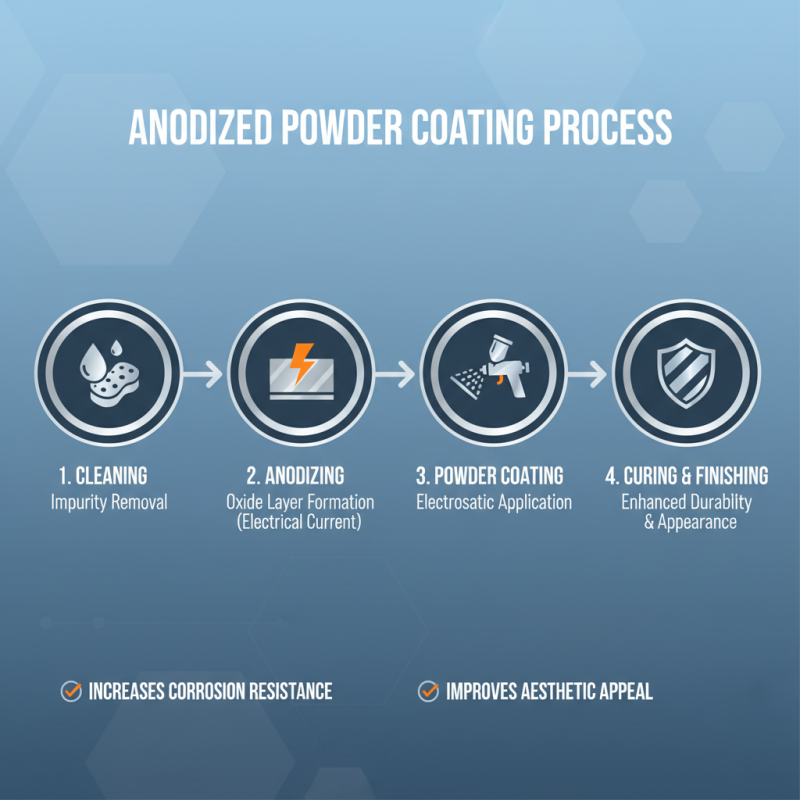
Anodized powder coating is a remarkable process that enhances the durability and appearance of metal surfaces. The basic principle involves electrochemically treating the metal surface to create a protective layer. This layer not only increases corrosion resistance but also improves aesthetic appeal. The process begins with cleaning the metal to remove impurities. Following this, the surface is subjected to an electrical current, allowing an oxide layer to form. It’s a meticulous procedure that requires precision.
One of the key advantages of anodized powder coating is its ability to accept a wide range of colors. This flexibility opens doors for creative designs in various projects. However, achieving uniform color distribution can pose challenges. If not executed properly, it can lead to unsatisfactory finishes. Additionally, while the process is efficient, timing is crucial. Delays can negatively impact the coating's quality, making careful scheduling essential.
Environmental considerations come into play as well. The anodization process utilizes non-toxic materials, making it a sustainable choice. However, discussions remain about the energy consumption involved. Striking a balance between quality and environmental impact requires ongoing reflection in the industry. Overall, understanding the intricacies of anodized powder coating can lead to better decision-making for your projects.
Enhanced Durability and Resistance to Environmental Factors
Anodized powder coating is gaining recognition for its enhanced durability. This process creates a protective layer on metal surfaces, significantly improving their resistance to environmental factors. Extreme temperatures, moisture, and UV rays can damage uncoated surfaces. However, items with anodized powder coating withstand these challenges more effectively.
In many cases, traditional coatings may peel or fade over time, leading to expensive repairs. Conversely, anodized coatings resist abrasion and corrosion. This longevity is crucial for outdoor applications, where constant exposure to the elements is inevitable. Yet, it is essential to consider quality control during the application process. Inadequate preparation can lead to compromised performance.
While anodization offers many advantages, not all projects require this level of protection. Assessing the specific needs of your project is key. Sometimes, a simpler coating might suffice. Understanding your environment and requirements helps in making informed choices. Balancing durability with cost and practicality ensures you achieve the best results.
Top 10 Benefits of Anodized Powder Coat for Your Projects
| Benefit |
Description |
| Enhanced Durability |
Anodized powder coating creates a protective layer that enhances the lifespan of metal surfaces. |
| Corrosion Resistance |
Provides excellent resistance to rust and corrosion, making it ideal for outdoor applications. |
| UV Resistance |
The finish retains its color and gloss despite prolonged exposure to sunlight. |
| Scratch Resistance |
Anodized surfaces are less prone to scratches compared to traditional finishes. |
| Aesthetic Appeal |
Available in a variety of colors and finishes, enhancing the visual appearance of products. |
| Eco-Friendly |
Uses non-toxic materials and is recyclable, minimizing environmental impact. |
| Easy Maintenance |
Requires minimal cleaning and upkeep to maintain its appearance. |
| Increased Adhesion |
Improves paint adhesion for subsequent coats, if needed. |
| Thermal Conductivity |
Maintains thermal performance by allowing heat dissipation. |
| Cost-Effective |
Provides long-term savings by reducing repair and replacement costs. |
Aesthetic Advantages: Color and Finish Options
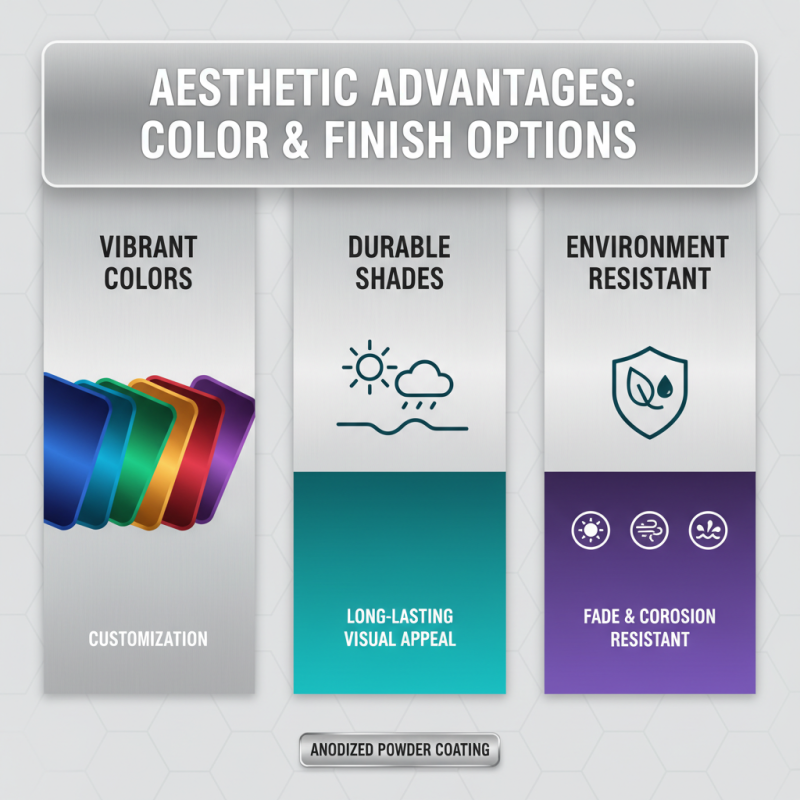
Anodized powder coating offers an array of aesthetic advantages. This finish provides vibrant color options, allowing for customization to match design themes. You can choose bold hues or subtle tones. Each shade maintains its vibrancy over time due to the durability of the coating. This ensures a long-lasting visual appeal, critical for projects exposed to environmental factors.
The texture options available with anodized powder coating are equally impressive. You can opt for a smooth finish or a textured surface, adding depth to your projects. Textures can create visual interest and enhance grip. Not all finishes will suit every design, so evaluating your project's specific needs is crucial. Sometimes, the choice can feel overwhelming, and it’s okay to take your time to decide. The aesthetic effects of these coatings can dramatically change the final look, making thoughtful selection important. The challenge lies in finding the perfect balance between color, texture, and project requirements. Design should be enticing yet functional, providing both beauty and practicality.
Eco-Friendliness of Anodized Powder Coating
Anodized powder coating is gaining traction for its eco-friendliness. This process uses less energy than traditional painting methods. According to the Environmental Protection Agency (EPA), powder coating generates minimal volatile organic compounds (VOCs), significantly reducing air pollution. In fact, VOC emissions from liquid paints can be as high as 50 grams per liter, while powder coatings can have virtually zero VOCs.
The lifecycle of anodized powder coatings is impressive. They are durable and long-lasting, which means less frequent re-coating. Data from the Powder Coating Institute suggests that these coatings can last up to 20 years without significant degradation. This longevity leads to fewer resources consumed over time, making them a smarter choice for green building standards. However, the disposal of the materials still needs careful consideration. Recycling programs for anodized materials are not universally available, which raises questions about sustainability.
Despite the benefits, the initial cost can be high. It requires specialized equipment and skilled workers. This can deter some projects, particularly smaller ones. Evaluating the full environmental impact, including the energy used in production and potential waste, is crucial. Industries must weigh the benefits against the risks to make informed decisions.
Top 10 Benefits of Anodized Powder Coat for Your Projects
Cost-Effectiveness in Long-Term Applications
Anodized powder coat offers significant cost-effectiveness for long-term projects. According to industry reports, the lifespan of anodized surfaces can extend up to 20 years, reducing the need for frequent replacements. This durability translates to lower maintenance expenses over time.
Projects with exterior applications especially benefit, as they endure harsh weather conditions. The initial investment might seem higher, but the extended durability leads to savings.
Incorporating anodized powder coating can reduce overall lifecycle costs. A study from the Coatings Research Institute emphasizes that anodized finishes outperform conventional paints in terms of longevity and resistance to corrosion. This is a vital consideration for businesses aiming to minimize their operational costs. Projects that choose these coatings report up to 30% lower costs over time due to less frequent re-coating.
Tip: Always evaluate total cost of ownership when choosing finishes. Consider installation and maintenance expenses rather than just initial costs. This holistic approach provides better insights into savings. Another tip is to consult with a coating expert for personalized recommendations based on project needs. Professionals can help identify the optimal coating solutions that align with budget goals.