What is Anodized Powder Coat and Its Benefits for Buyers?
Anodized Powder Coat is an innovative finishing technique transforming metal surfaces. It enhances durability and aesthetic appeal, crucial for industries like automotive and construction. According to a recent market report by ResearchAndMarkets, the demand for Anodized Powder Coatings is expected to grow by 6% annually. This trend highlights the material's importance in reducing maintenance costs and improving product lifespan.
Brian Thompson, a leading expert in coating technology, states, "Anodized Powder Coat offers manufacturers a unique blend of performance and style." His insight emphasizes its significance in the current market. However, despite its advantages, some buyers may overlook the initial cost and application challenges. Finding the right balance can be a daunting task.
In a world moving towards sustainable practices, Anodized Powder Coat stands out as an eco-friendly choice. It minimizes waste and maximizes efficiency. Yet, it requires careful consideration to avoid poor application methods that can ruin the final product. Buyers must weigh these points seriously.
Definition and Overview of Anodized Powder Coating
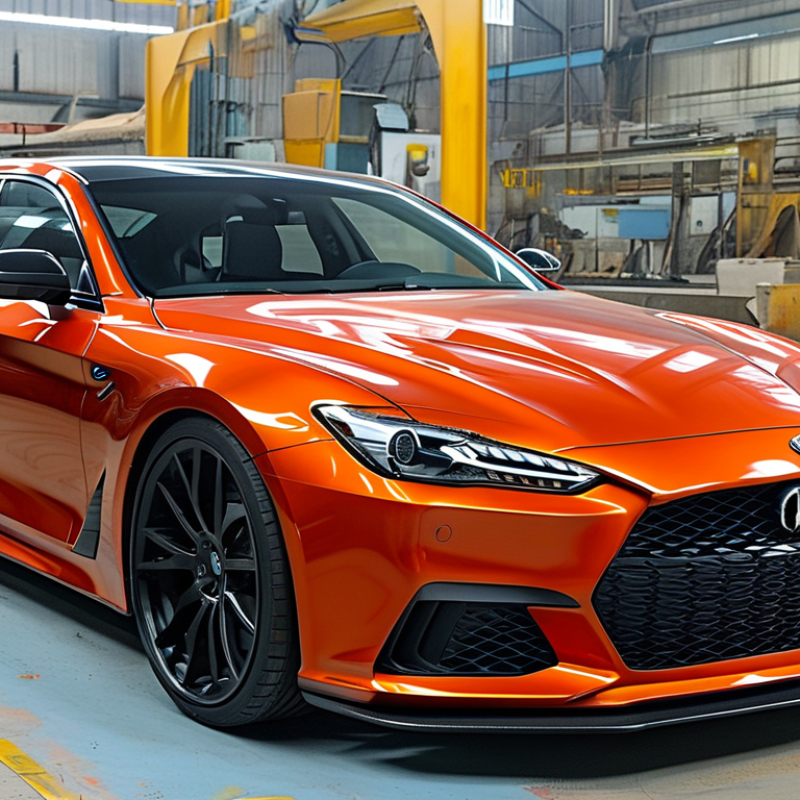
Anodized powder coating is a surface finishing process that enhances the durability and aesthetics of metal products. This method combines electrochemical anodizing with powder coating to create a protective layer. The anodizing process converts the surface of the metal into aluminum oxide, which is then coated with a layer of powder paint. Reports reveal that this approach increases corrosion resistance by 50% compared to traditional coatings. The result is a product that lasts longer and requires less maintenance.
This type of coating is particularly beneficial for outdoor applications. Structures exposed to harsh environmental conditions exhibit less degradation. Research indicates that anodized finishes can withstand extreme weather, reducing wear over time. Additionally, the finish is available in various colors and textures, appealing to both functional and aesthetic preferences. However, achieving consistent color matching can sometimes be challenging, leading to variability in visual appeal.
Another noteworthy aspect is the eco-friendliness of anodized powder coatings. The process generates minimal waste and reduces chemical emissions. However, the application requires careful technique to avoid defects such as uneven surfaces or poor adhesion. Understanding these intricacies is vital for buyers seeking quality products. Continuous research in this field aims to address these challenges, making anodized powder coating an increasingly popular choice for a wide range of metal applications.
What is Anodized Powder Coat and Its Benefits for Buyers?
| Feature |
Description |
Benefits |
| Durability |
Anodized coating enhances metal's resistance to corrosion and wear. |
Longer lifespan and reduced maintenance costs. |
| Aesthetic Appeal |
Available in a wide range of colors and finishes. |
Enhances the visual appearance of products, making them more attractive to buyers. |
| Eco-Friendliness |
Doesn’t contain harmful chemicals and is recyclable. |
Appeals to environmentally conscious consumers. |
| Customizability |
Can be tailored for specific applications and performance needs. |
Fulfills unique customer requirements, leading to higher satisfaction. |
| Safety |
Non-toxic and safe for food and drink applications. |
Increases usability in sensitive environments. |
Process of Anodizing and Applying Powder Coat
The process of anodizing and applying powder coat involves several critical steps. Anodizing enhances the surface of metal, creating a durable oxide layer. This process can increase corrosion resistance by 100 times compared to untreated aluminum. It also improves the bonding surface for powder coating.
During anodizing, metal parts are submerged in an electrolytic solution and subjected to an electric current. This leads to the growth of a protective oxide layer. Following this, powder coating is applied. The powder adheres electrostatically, allowing for an even application. After coating, parts are cured in an oven. This process results in a hard, protective surface ideal for various applications.
Industry reports from the Powder Coating Institute highlight that anodized coatings can offer significant advantages regarding durability. However, achieving full benefits requires proper surface preparation. A poorly executed anodizing process can result in inadequate bonding, leading to premature coating failure. Buyers should consider these technical aspects when selecting anodized powder-coated products for their needs.
Key Benefits of Anodized Powder Coating for Buyers
Anodized powder coating is a specialized finishing process that offers numerous advantages for buyers. This technique enhances the surface of metals, making them both aesthetically appealing and durable. The process involves two main steps: anodization and powder coating. Anodization creates a protective layer on the metal, while powder coating adds a colorful finish. This combination results in surfaces that resist corrosion and wear effectively.
One key benefit is improved durability. Anodized powder-coated surfaces can withstand harsh environmental conditions. They are less prone to scratches and fading over time. This durability means lower maintenance costs for buyers. Additionally, these surfaces maintain their vibrant colors longer than traditional paint. This is a significant cost-saving aspect for industries relying on long-lasting appearance.
Moreover, anodized powder coating is more environmentally friendly than other finishes. It generates minimal waste and often uses fewer harmful chemicals. Buyers increasingly value sustainability. However, it’s essential to remember that not all metal substrates may respond equally to this process. Some may require additional surface preparation. Proper insulation and application techniques are crucial for achieving optimal results. Thus, careful attention to detail is necessary.
Comparison with Other Coating Techniques
Anodized powder coating is a unique option for various applications. This technique enhances aluminum surfaces through an electrochemical process, creating a durable layer. Compared to traditional painting methods, anodizing offers superior corrosion resistance and increased hardness. According to industry reports, anodized finishes can be up to 25 microns thick, significantly outperforming standard paint.
When comparing it with other coating techniques, such as liquid painting or traditional powder coating, anodized surfaces demonstrate notable benefits. Liquid paint can chip and fade more easily over time. In contrast, anodized coatings resist fading from UV exposure, making them suitable for outdoor applications. Reports indicate that anodized surfaces also have a lower environmental impact, as they typically use fewer volatile organic compounds (VOCs).
However, anodized finishes have limitations. They may not cover surface imperfections as well as other methods. Buyers should consider the variations in textures and colors available. Selecting anodized powder coating requires careful thought. The initial cost may be higher, but long-term benefits and durability often outweigh this. Buyers need to weigh these factors to determine the best coating option for their projects.
Comparison of Coating Techniques
This chart compares the durability ratings of various coating techniques, highlighting the superior durability of anodized powder coating compared to traditional paint, powder coat, and galvanization. A higher score indicates better performance in terms of longevity and resistance to wear and tear.
Maintenance and Care for Anodized Powder Coated Surfaces
Anodized powder coated surfaces are known for their durability and aesthetic appeal. However, proper maintenance is crucial to ensure their longevity. Regular cleaning is a key step. Use mild soap and water to wipe down these surfaces. Avoid abrasive cleaners as they can scratch the finish.
Inspect the surfaces periodically for signs of wear or damage. Pay attention to any chips or scratches. Repairing these issues promptly will help maintain the integrity of the coating. Make sure to avoid exposing anodized surfaces to harsh chemicals. This could lead to discoloration or degradation over time.
Understanding the limitations is equally important. Anodized finishes, while tough, can still be damaged by excessive heat or impact. For optimal results, store items out of direct sunlight when possible. Finally, remember that preventive care is easier than fixing damage later. Keeping surfaces clean and protected benefits not just the look but also the lifespan of anodized powder coated surfaces.