Uncoated Aluminum Powder Applications and Benefits in Industry?
Uncoated Aluminum Powder is increasingly valued in various industrial applications. Its unique properties, such as lightweight and high conductivity, make it highly effective in multiple sectors. This powder is primarily utilized in metal additive manufacturing, electronics, and construction industries. The demand for Uncoated Aluminum Powder has surged due to its enhanced performance and cost-effectiveness.
In the realm of additive manufacturing, Uncoated Aluminum Powder provides significant advantages. It aids in creating complex geometries while maintaining structural integrity. However, companies must evaluate the limitations of uncoated forms, as the absence of protective coatings can lead to oxidation in some environments. This brings attention to the need for proper handling and application techniques.
Moreover, Uncoated Aluminum Powder serves a critical role in electronics, specifically in thermal management. As devices become more miniaturized, the cooling efficiency of components is paramount. Yet, this reliance on aluminum powder can pose challenges regarding long-term durability. Industries must weigh the benefits against potential risks to ensure optimal application. Understanding the balance between performance and vulnerability can lead to better outcomes.

Uncoated Aluminum Powder: Overview and Properties
Uncoated aluminum powder is gaining traction in various industrial applications due to its unique properties. With a particle size ranging from 1 to 100 microns, it offers high surface area and reactivity. This feature makes it suitable for use in aerospace, automotive, and consumer goods sectors. According to a recent report by Market Research Future, the demand for aluminum powder is projected to grow by 6.5% annually, underscoring its importance in modern manufacturing.
In terms of properties, uncoated aluminum powder has low density and excellent corrosion resistance. This makes it an attractive option for lightweight applications. The powder's fine particles allow for uniform distribution within composite materials. This attribute is crucial in applications where even structural strength is required. However, handling aluminum powder poses challenges. It can be hazardous due to its flammability and potential health risks if inhaled. Proper safety measures are essential during manufacturing processes.
The versatility of uncoated aluminum powder comes with a responsibility for manufacturers. They must ensure that quality control is part of their production process. Inconsistent particle size or impurities can affect the powder's performance. Studies reveal that even small deviations can lead to significant impacts on end products. As industries continue to embrace uncoated aluminum powder, ongoing research on its properties and safe handling is vital for maximizing its benefits.
Common Applications of Uncoated Aluminum Powder in Various Industries
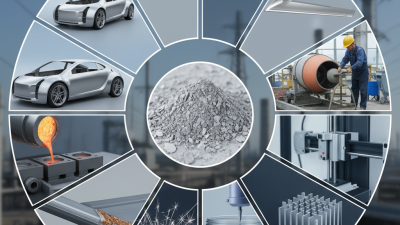
Uncoated aluminum powder is versatile in many industries. It is commonly used in paint and coatings for its excellent reflective properties. In construction, it enhances the aesthetics of materials. This powder can also create a lightweight, strong composite in automotive applications.
In the manufacturing realm, uncoated aluminum powder plays a role in 3D printing. It improves the strength of printed parts, making them ideal for aerospace components. Additionally, aluminum powder is used in fireworks and pyrotechnics. It ignites easily, producing vibrant colors and bright displays. However, handling must be cautious, as its reactive nature can pose risks.
Even though uncoated aluminum powder offers various benefits, challenges exist. For example, its performance can differ based on purity and particle size. Some applications require extra processing steps to achieve desired results. While it can improve energy efficiency, environmental considerations should be addressed.
Advantages of Using Uncoated Aluminum Powder in Manufacturing Processes
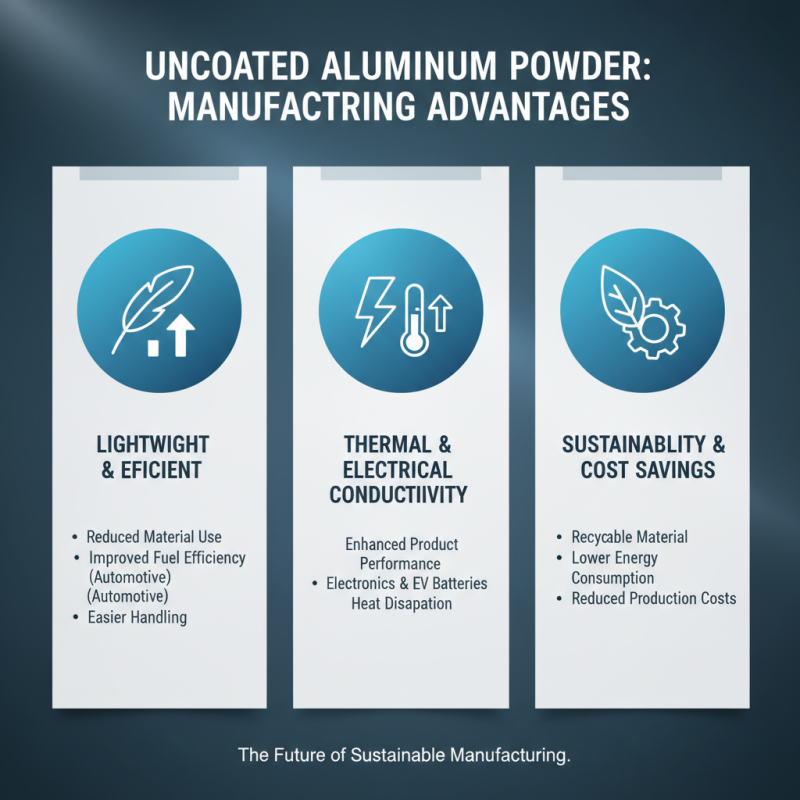
Uncoated aluminum powder is becoming increasingly favored in various manufacturing processes. Its lightweight nature provides significant advantages, especially in industries focused on efficiency and sustainability. This powder exhibits excellent thermal and electrical conductivity, making it ideal for applications in electronics and automotive sectors. These properties enhance product performance while also contributing to reduced energy consumption during production.
One notable benefit of uncoated aluminum powder is its ease of integration into composite materials. The powder enhances strength without adding significant weight, which is critical for industries like aerospace. However, the lack of a coating may raise concerns about oxidation. Proper handling and storage can mitigate these risks, ensuring the powder maintains its intended properties. This balance between benefits and challenges prompts manufacturers to continuously assess their use of uncoated aluminum powder.
Moreover, this powder can improve the surface finish of products, giving them a higher aesthetic value. Yet, finding the right application may require experimentation. Not all processes will yield perfect results initially. It encourages industry stakeholders to refine techniques and seek innovative solutions when working with uncoated aluminum powder. Embracing these imperfections often leads to valuable insights and more effective manufacturing approaches.
Challenges and Considerations in Handling Uncoated Aluminum Powder
Handling uncoated aluminum powder comes with its own set of challenges. Safety is a primary concern. The fine particles of aluminum can be hazardous if they become airborne. Workers must wear appropriate protective gear. This includes respirators and protective clothing to prevent inhalation or skin contact.
Another issue is the powder’s reactivity. Aluminum powder can ignite under certain conditions. Proper ventilation is essential to minimize the risk of dust accumulation. Storage should occur in cool, dry areas. Flammable materials should be kept at a distance. Regular risk assessments can help manage this.
Additionally, the handling process requires diligent practices. Workers should be trained in safe handling procedures. The equipment used must be suitable for fine powders. It’s important to avoid any actions that could create sparks. Companies must recognize the importance of these precautions to prevent accidents and ensure a safe working environment. The process may seem straightforward, but complacency can lead to serious issues. Regular training and awareness can enhance safety.
Uncoated Aluminum Powder Applications in Industry
Future Trends and Innovations in Uncoated Aluminum Powder Usage
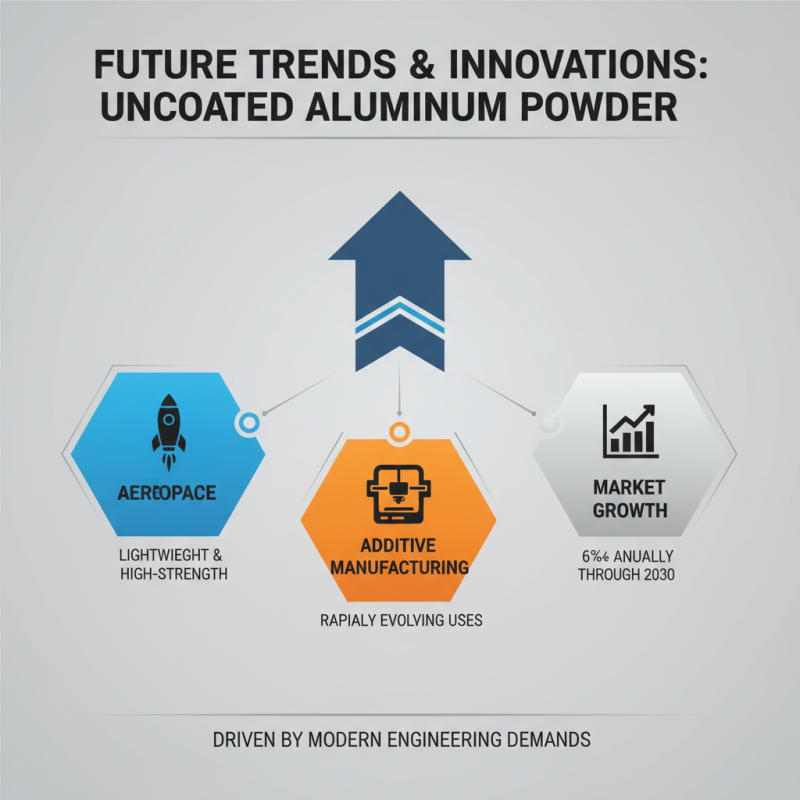
The use of uncoated aluminum powder is evolving rapidly. Recent industry reports indicate a significant rise in its applications, particularly in additive manufacturing and aerospace. Analysts estimate that the demand for aluminum powders will grow by over 6% annually through 2030. This growth is driven by the lightweight and high-strength properties of aluminum, which are crucial in modern engineering.
Innovations are emerging in the handling and processing of aluminum powder. New methods, such as low-temperature gas atomization, improve the quality and consistency of the powder. These advancements enhance its performance in 3D printing, where the precision and mechanical properties of products are paramount. However, there are challenges. The recycling of aluminum powder post-manufacturing remains a hurdle. There is a need for effective processes to reclaim unused powders to reduce waste and lower costs.
Sustainability is becoming a focal point in aluminum powder use. Companies are exploring eco-friendly practices, emphasizing closed-loop systems in production. This shift not only aligns with global sustainability goals but also improves overall product integrity. Despite these strides, more effort is required to fully realize the environmental benefits. Ongoing research indicates that improved handling could lead to better recovery rates and reduce energy consumption in aluminum powder production.