How to Utilize Aluminum Metal Powder in Various Applications?
Aluminum Metal Powder plays a pivotal role in various industrial applications. Dr. John Smith, a renowned expert in metallurgy, once stated, “Aluminum Metal Powder transforms industries with its versatility.” From additive manufacturing to automotive production, this material is essential.
In the realm of 3D printing, Aluminum Metal Powder enhances the strength and durability of components. It allows for intricate designs that were impossible with traditional methods. However, many users fail to understand the specific properties of this powder. Misapplication can lead to subpar results or even failures in production.
Moreover, the use of Aluminum Metal Powder in other sectors, such as aerospace, showcases its lightweight yet robust nature. Yet, challenges remain. Companies must ensure quality control to avoid contamination or irregularities in the powder. Reflecting on this, industries need to focus on education and proper application strategies to truly harness its potential.
Overview of Aluminum Metal Powder and Its Properties
Aluminum metal powder is a versatile material used in various industries. Its properties make it suitable for many applications. This powder is lightweight yet strong. It exhibits excellent thermal and electrical conductivity. The fine particles create a large surface area, enhancing reactivity. This characteristic is particularly useful in pyrotechnics and aerospace applications.
The particle size of aluminum metal powder can vary significantly. Smaller particles can lead to higher reactivity, which is beneficial in certain chemical processes. However, they may also pose challenges in handling. Dust generation can occur during processing, necessitating safety measures. In contrast, larger particles may provide better flow properties for specific applications. Understanding these characteristics is crucial for optimal use.
Another aspect to consider is the oxidation of aluminum powder. Exposure to air can lead to the formation of an oxide layer. This affects the powder's properties, like reactivity and adhesion. This could be frustrating for users who rely on consistent performance. Testing samples before full application could help mitigate issues. Each application may require a different grade or type of aluminum powder, so research is essential.
Applications of Aluminum Metal Powder in the Automotive Industry
Aluminum metal powder is becoming increasingly important in the automotive industry. It is lightweight yet strong, making it ideal for various applications. Manufacturers use aluminum powder in the production of lightweight parts. These parts help improve fuel efficiency and reduce emissions.
In many cases, aluminum powder is utilized in metal injection molding. This technique allows for the creation of complex shapes. However, achieving optimal particle size and distribution can be challenging. If not done correctly, the final product may not meet expectations. Proper processing is vital to ensure strong mechanical properties.
Surface coatings often incorporate aluminum powder, enhancing durability and appearance. Yet, achieving the right balance between aesthetics and functionality can be tricky. Some coatings may not adhere well, leading to premature wear. Each automotive application requires careful consideration of material properties to avoid potential issues.
Applications of Aluminum Metal Powder in the Automotive Industry
Utilization of Aluminum Metal Powder in Aerospace Engineering
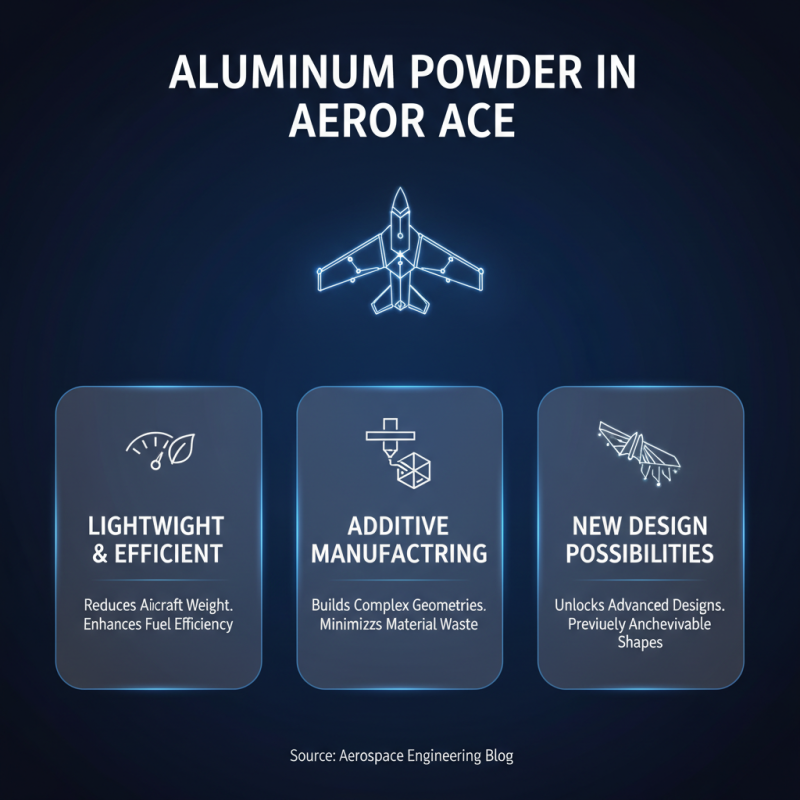
Aluminum metal powder is a versatile material with numerous applications in aerospace engineering. Its lightweight nature offers significant advantages. This characteristic helps reduce the overall weight of aircraft, enhancing fuel efficiency. Also, aluminum powder can be used in additive manufacturing, allowing for complex geometries and reduced material waste. This process opens up new design possibilities that were not achievable before.
In the aerospace sector, aluminum powder is often used in creating components such as engine parts and structural elements. However, the quality of the powder is crucial. Impurities can affect the performance and reliability of a part. Therefore, rigorous testing and monitoring are essential. It is an area that requires constant improvement and innovation.
Despite its advantages, challenges remain in the effective utilization of aluminum powder. For instance, the flowability of the powder can vary greatly, impacting the manufacturing process. Engineers must continually refine their techniques to address these issues and enhance the overall performance of aluminum-based components in aerospace applications.
Role of Aluminum Metal Powder in Additive Manufacturing
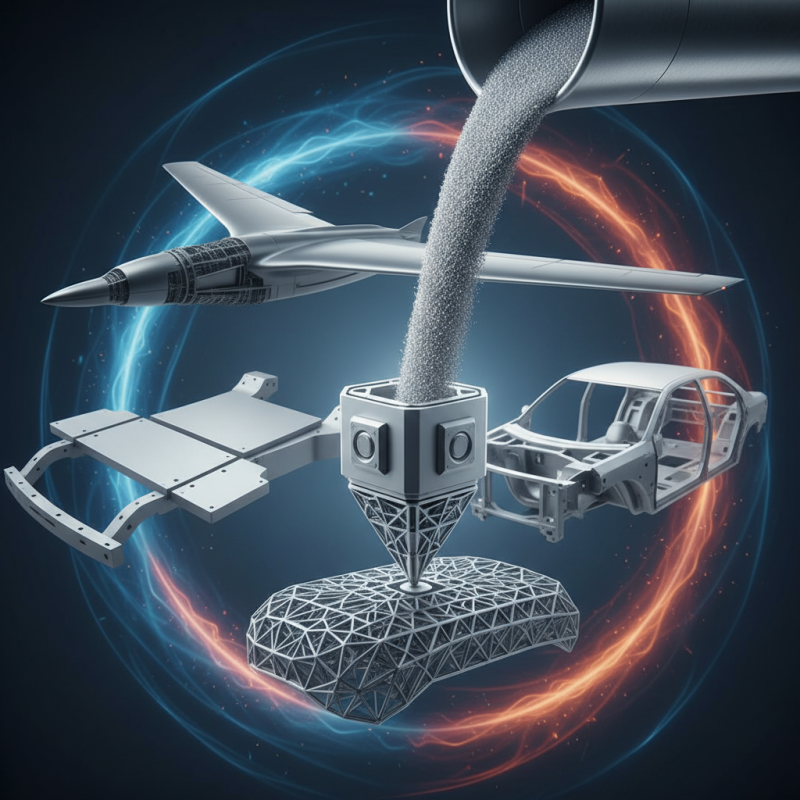
Aluminum metal powder plays a critical role in additive manufacturing. Its lightweight and high strength make it suitable for various applications. Manufacturers use it to create complex geometries that would be difficult to achieve with traditional methods. The particles can melt quickly during the printing process, enabling precise layer bonding.
However, working with aluminum powder has its challenges. The particle size can affect the flowability in the printer. Too fine may create clumping, while too coarse can lead to uneven layers. Additionally, the powder can easily oxidize, impacting the final product's quality. Ensuring the right balance is essential for successful printing.
In recent projects, some users faced difficulties with consistency in prints. Variations in powder quality led to flawed structures. Adjusting parameters like temperature and layer thickness may help. Experimenting with different compositions could yield better results. Continuous reflection on these aspects is vital for optimizing aluminum powder in additive manufacturing.
How to Utilize Aluminum Metal Powder in Various Applications?
| Application |
Function |
Advantages |
Typical Uses |
| Additive Manufacturing |
3D Printing |
High strength-to-weight ratio, excellent thermal conductivity |
Aerospace parts, automotive components |
| Powder Coating |
Coating |
Durable, corrosion-resistant finishes |
Automobile parts, household appliances |
| Metal Injection Molding |
Molding |
Complex shapes, high precision |
Consumer electronics, medical devices |
| Thermal Spray Coating |
Coating |
Improved wear resistance, enhanced thermal insulation |
Industrial equipment, aerospace components |
| Batteries |
Energy Storage |
Lightweight, efficient energy transfer |
Electric vehicles, portable electronics |
Health and Safety Considerations When Working with Aluminum Metal Powder
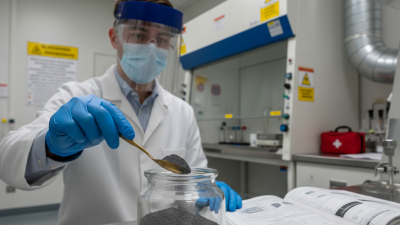
Aluminum metal powder is widely used in various industries, but it comes with health and safety risks. Data from the Occupational Safety and Health Administration (OSHA) indicates that inhaling aluminum dust can lead to respiratory issues. When working with this powder, it is crucial to use proper ventilation. Dust clouds can form easily and may be hazardous.
Personal protective equipment (PPE) is essential. Workers should wear masks, goggles, and gloves to minimize exposure. According to the National Institute for Occupational Safety and Health (NIOSH), even brief exposure can be harmful over time. Avoiding skin contact is vital, as aluminum powder can cause irritation.
Safe storage practices are also important. Keep the powder in tightly sealed containers to prevent spills. Ensuring a clean workspace can reduce accident risks. Regular training on handling materials safely helps identify potential hazards. Aluminum powder is valuable, but it requires respect and caution. Safety must always come first.