What is a Titanium 3D Printer and How Does It Work?
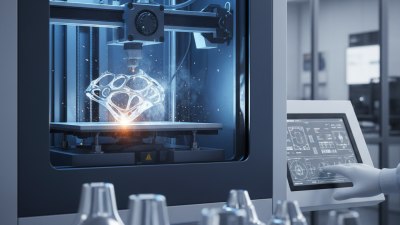
Titanium 3D printers represent a groundbreaking advancement in additive manufacturing technology. These machines utilize advanced techniques to create complex and durable parts from titanium. With their capability to produce high-performance components, they have transformed industries like aerospace and medical engineering.
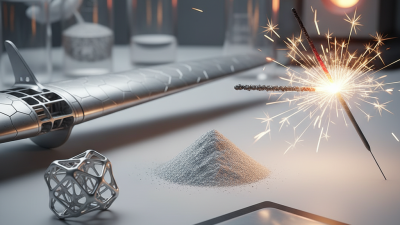
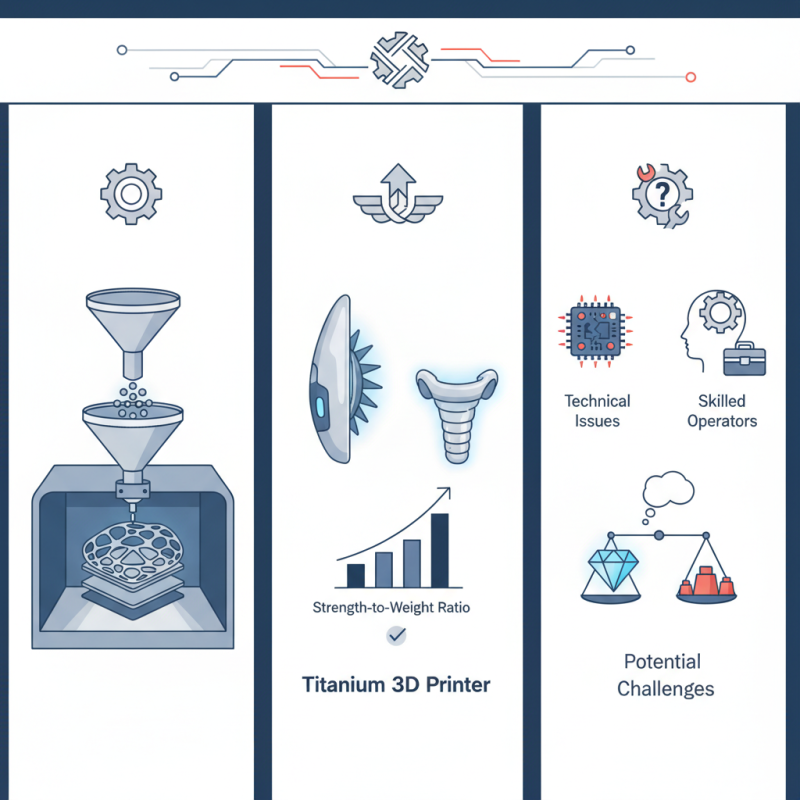
A Titanium 3D printer functions by melting titanium powder layer by layer, precisely constructing objects from a digital model. This method allows for intricate geometries that traditional manufacturing cannot achieve. As experts note, the strength-to-weight ratio of titanium makes it ideal for various applications.
However, not all experiences with titanium printers are flawless. Users may encounter challenges, like technical issues or the need for skilled operators. It’s essential to reflect on these factors before deciding on the investment. Overall, a Titanium 3D printer offers remarkable potential, but it requires thoughtful consideration to harness its full capabilities.
What is a Titanium 3D Printer and Its Unique Features?
Titanium 3D printers are designed to create parts using titanium alloys. These printers use additive manufacturing techniques, primarily selective laser melting (SLM) or electron beam melting (EBM). They offer precision and the ability to produce lightweight, durable components. Their unique features establish them as leaders in aerospace and medical applications.
One notable advantage of titanium 3D printing is its ability to produce complex geometries that are difficult with traditional methods. According to a report by Wohlers Associates, the market for metal 3D printing is expected to grow to $2.5 billion by 2024. This growth is driven by the increasing demand for customized parts that titanium printing can easily handle. The material's excellent strength-to-weight ratio makes it suitable for high-performance applications.
Tips: When considering titanium printing, ensure proper material selection. Not all titanium alloys are equally suitable. Additionally, monitor post-processing requirements—some parts may need extensive finishing. Recognizing these aspects can improve efficiency and reduce waste. Remember, curiosity fosters improvement. Reflection on challenges faced during printing can lead to future innovations.
Understanding the Mechanism of Titanium 3D Printing Technology
Titanium 3D printing is an advanced manufacturing process. It creates parts using titanium powder. The technology allows for complex and lightweight designs. This is especially useful in aerospace and medical fields.
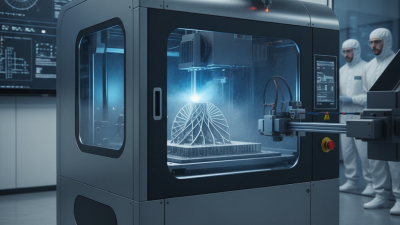
Understanding the mechanism involves laser sintering. A laser melts titanium powder layer by layer. Each layer fuses together, forming a solid part. Precision is key in this process. Controlling the laser intensity and scanning speed is crucial. Even minor inconsistencies can impact the final product.
Tips: Ensure a clean working environment. Any contamination can affect print quality. Regularly check your laser settings for optimal performance. Testing different parameters can lead to better results. Maintaining equipment is essential for consistent output.
This chart illustrates important technical parameters of titanium 3D printing technology. The high melting point and density highlight titanium's robust material properties. The printing speed indicates typical build rates in additive manufacturing, while tensile strength demonstrates the mechanical performance of printed titanium parts. Surface roughness reflects the finish quality achieved by the printing process.
Materials Used in Titanium 3D Printing Processes
Titanium 3D printing processes utilize specialized materials that offer unique advantages. The most common material used is titanium powder. This fine metal powder is ideal for additive manufacturing. Its excellent strength-to-weight ratio makes it a favorite in aerospace and medical industries. Additional alloys, such as Ti-6Al-4V, are often employed. These alloys enhance the mechanical properties of printed parts.
The quality of titanium powder is crucial. Particle size and distribution affect the final product's density and strength. Each batch must meet specific standards to ensure reliability. Contamination can lead to defects. Proper handling and storage of titanium powder are essential. Moreover, the printing environment must be controlled. A vacuum or inert gas atmosphere prevents oxidation during the process.
Despite the advancements, challenges remain. The high cost of titanium materials can limit accessibility. Additionally, post-processing requirements complicate production. Techniques like heat treatment are often needed to relieve stress. This extra step requires time and expertise. Reflecting on these aspects ensures a deeper understanding of titanium 3D printing. Crafting high-quality titanium components demands attention to detail throughout the entire process.
Applications of Titanium 3D Printing in Various Industries
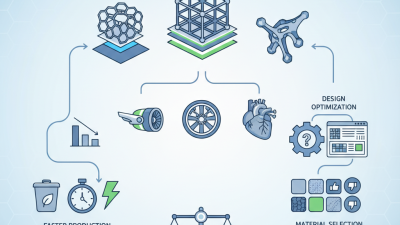
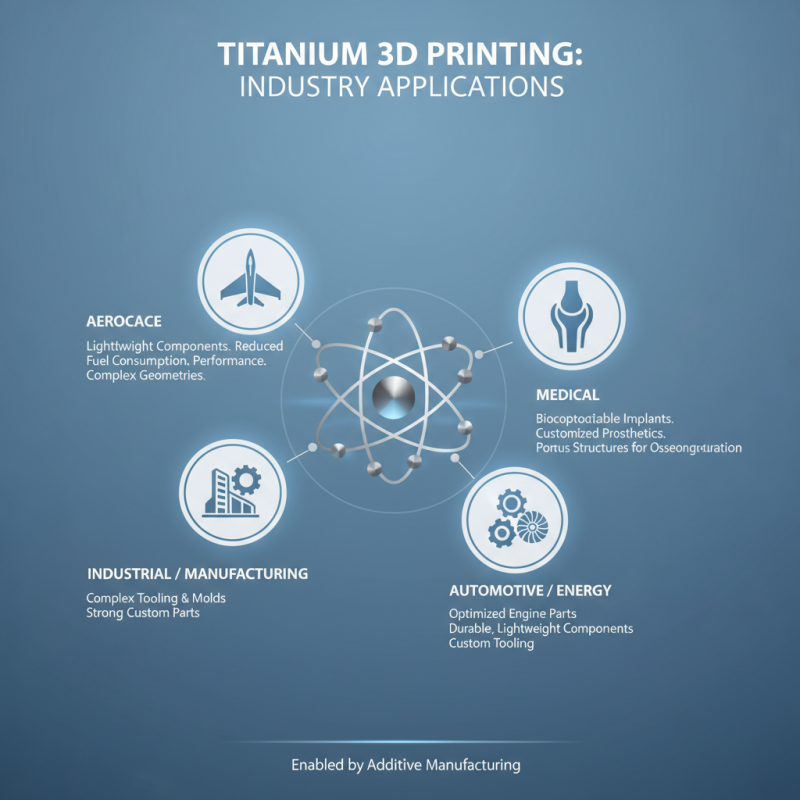
Titanium 3D printing has transformed various industries by offering unique advantages. This technology enables the creation of complex geometries that would be difficult or impossible to achieve with traditional manufacturing methods. For instance, in the aerospace sector, lightweight components produced with titanium can significantly reduce fuel consumption and enhance performance. These parts often have intricate designs optimized for strength and weight, showcasing the potential of additive manufacturing.
In the medical field, titanium 3D printing has made strides in producing custom implants and prosthetics. These tailored solutions lead to better patient outcomes. Surgeons can now create models that fit perfectly with the individual’s anatomy. However, the technology is not without challenges. Issues such as material consistency and printer calibration still need addressing. Each application presents a learning curve, and manufacturers must continuously refine their processes to improve reliability.
Another notable application is in the automotive industry, where titanium parts help reduce vehicle weight. Lighter vehicles can improve fuel efficiency and overall performance. However, the cost of titanium printing remains high. Companies must balance quality with affordability. This keeps many from fully adopting the technology. Continuous innovation will be key in making titanium printing more accessible across various fields.
Advantages and Challenges of Using Titanium 3D Printers
Titanium 3D printing offers distinct advantages. It produces lightweight components ideal for aerospace and medical applications. The strength-to-weight ratio of titanium is unmatched. This material withstands extreme conditions, boosting its utility in various industries. The precision of 3D printing enables intricate designs that traditional methods struggle to deliver.
However, challenges exist. The cost of titanium powder is high. This can limit accessibility for smaller companies. Additionally, the printing process can be complex. It requires specialized knowledge and equipment. Post-processing is often needed to achieve the desired finish. Not all designs translate well into titanium prints. Trial and error is common, sometimes leading to waste. Balancing benefits with these obstacles calls for careful consideration.
What is a Titanium 3D Printer and How Does It Work? - Advantages and Challenges of Using Titanium 3D Printers
| Feature |
Description |
| Material Used |
Titanium alloys, primarily Ti-6Al-4V |
| Technology Type |
Powder bed fusion (PBF) |
| Print Resolution |
50 - 100 microns |
| Print Speed |
1 - 2 cm³/hour |
| Advantages |
High strength-to-weight ratio, excellent corrosion resistance, and biocompatibility. |
| Challenges |
High cost of materials, post-processing requirements, and difficulty in printing complex geometries. |
| Applications |
Aerospace, medical implants, automotive components, and custom tooling. |
| Future Trends |
Increased adoption in industrial applications, advancements in material science, and cost reduction. |