Ultimate Tips for Sourcing Atomized Aluminum Powder Efficiently?
Sourcing Atomized Aluminum Powder can challenge many manufacturers. It requires a deep understanding of both the market and the material itself. Atomized Aluminum Powder plays a vital role in various industries, including aerospace, automotive, and electronics. Its unique properties are essential for creating lightweight and durable components.
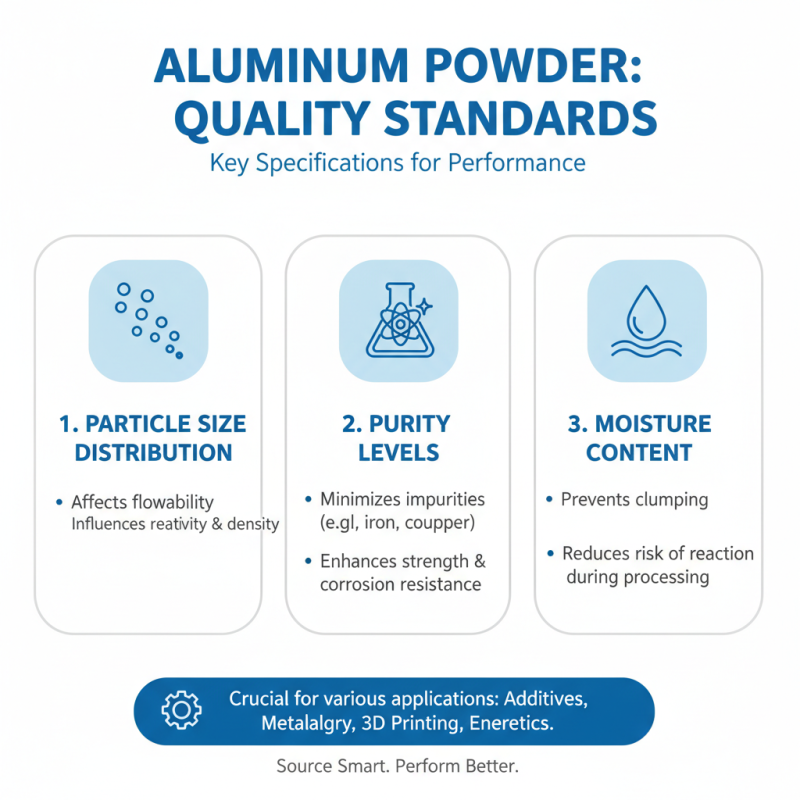
Navigating the sourcing landscape involves evaluating suppliers and their processes. Not every supplier can provide high-quality Atomized Aluminum Powder consistently. Buyers should consider factors like particle size, purity level, and production methods. It’s crucial to engage with reputable suppliers who have a proven track record in the industry.
Reflection is necessary when sourcing Atomized Aluminum Powder. A common mistake is prioritizing cost over quality. This approach can lead to subpar products that fail to meet specifications. Establishing strong communication with suppliers can help mitigate risks. Understanding your needs will ensure you acquire the right material efficiently.

Understanding Atomized Aluminum Powder and Its Applications
Atomized aluminum powder has gained traction in various industries due to its remarkable properties. This fine powder is produced by rapidly cooling molten aluminum, resulting in spherical particles that offer enhanced flow and packing density. A report by Research and Markets estimates that the global atomized aluminum market will reach over $2.5 billion by 2025, driven by demand in sectors like automotive and aerospace. Its lightweight nature and resistance to corrosion make it ideal for manufacturing components where weight reduction is crucial.
Applications of atomized aluminum powder span several fields. In the automotive industry, it's used in lightweight body structures, contributing to fuel efficiency. Additionally, in the aerospace sector, it plays a critical role in producing parts that require high strength-to-weight ratios. However, sourcing high-quality atomized aluminum is not without challenges. Variability in particle size and distribution can affect performance in applications. Companies often experience difficulty in establishing reliable suppliers that meet stringent quality requirements.
Implementing rigorous quality control measures becomes essential to address these issues.
Organizations must also remain aware of
environmental regulations impacting the production and use of atomized aluminum powders. Understanding the limitations and potential trade-offs in sourcing is critical for maintaining a competitive edge. Regularly reviewing supplier performance and material properties can help organizations make informed decisions in their sourcing strategies.
Identifying Reliable Suppliers for Atomized Aluminum Powder
Finding reliable suppliers for atomized aluminum powder is crucial for manufacturers. It's essential to evaluate their credibility. A strong supplier should have a proven track record demonstrated through certifications and positive customer reviews. Request samples to assess product quality. This step helps ensure the supplier meets your specific requirements.
Engaging with industry forums offers insights into supplier reputations. Conversations with peers can reveal which suppliers are trustworthy. However, be cautious of biases. Some recommendations may be influenced by personal connections. Transparency in pricing and terms is another factor to consider. Suppliers should provide clear information without hidden fees.
Establishing a relationship with suppliers can lead to beneficial partnerships. Discussing flexibility in orders or delivery times can enhance your supply chain's efficiency. Remember, not all suppliers will be ideal fits. Regularly reassess their performance to ensure they align with your evolving needs. Taking these steps may lead to better sourcing outcomes.
Cost-Effective Strategies for Purchasing Aluminum Powder
When sourcing atomized aluminum powder, cost-effectiveness is a key factor for many industries. According to a recent industry analysis, purchasing decisions heavily rely on market trends and supplier reliability. The global demand for aluminum powder is projected to grow at a CAGR of 5.6% from 2022 to 2030. This highlights the importance of strategic purchasing practices.
One effective strategy is to leverage bulk purchasing. Buying in larger quantities often reduces the price per unit. However, this requires careful inventory management to avoid excess stock. Understanding market fluctuations is critical. Prices for aluminum powder can vary based on global aluminum production rates. Keeping an eye on production ahead of time can help forecast costs.
Always evaluate the supplier’s track record. Reliable suppliers tend to offer consistent quality and more favorable pricing. Consult recent supplier audits or performance metrics to inform your decisions. Lastly, consider forming partnerships with multiple suppliers. This approach mitigates risks associated with supply chain disruptions and can lead to better pricing negotiations.
Ultimate Tips for Sourcing Atomized Aluminum Powder Efficiently
This chart compares the cost per kilogram of atomized aluminum powder from different vendors. Analyzing these prices can help ensure that you source aluminum powder efficiently and cost-effectively.
Best Practices for Storage and Handling of Atomized Aluminum Powder
When it comes to atomized aluminum powder, proper storage and handling are crucial for maintaining quality. According to industry reports, improper storage can lead to oxidation, which affects both performance and safety. Ideally, aluminum powder should be kept in a cool, dry environment. The relative humidity should not exceed 50%. This reduces the risk of clumping and ensures the powder remains free-flowing.
A good practice is to use airtight containers. These help prevent moisture ingress and oxidation. Additionally, labeling the containers with the date of receipt can help manage inventory effectively, ensuring older stocks are used first. Regularly inspecting stored powder can also identify any changes in texture or color, which may indicate the onset of degradation.
Tips: Always handle aluminum powder using proper PPE. Gloves, goggles, and masks are essential to prevent inhalation or skin contact. Also, avoid direct sunlight when transporting the powder; this helps maintain its quality during short-term handling. Remember, even minor negligence can lead to significant waste or risks. Always double-check storage conditions to ensure they are ideal and meet safety standards.