Why is Aluminium Powder Paint Popular in Coating Industries?
Aluminium Powder Paint has gained significant traction in coating industries. Its unique properties make it a versatile choice for various applications. This popularity stems from its durability, aesthetic appeal, and environmental advantages.
Coatings made from Aluminium Powder Paint offer a smooth finish and excellent resistance to weathering. They withstand harsh conditions, ensuring longevity in both industrial and decorative contexts. Many users appreciate the ease of application and quick drying times. This can enhance productivity in manufacturing processes.
However, some challenges exist. The potential health risks associated with the inhalation of fine powders require caution. Not every coating option offers the same benefits, making it crucial for companies to consider specific needs. As industries continue to evolve, the demand for reliable and innovative coatings will shape the future of Aluminium Powder Paint usage.
Advantages of Aluminium Powder Paint in Coating Applications
Aluminium powder paint has gained significant traction in coating industries due to its unique advantages. One major benefit is its outstanding durability. According to a report by MarketsandMarkets, the global market for aluminium powder coatings is projected to reach USD 1.95 billion by 2025, driven by the growing demand for long-lasting products. These coatings resist corrosion and UV damage, making them suitable for outdoor applications.
Another advantage is their aesthetic appeal. Aluminium powder paint offers a variety of finishes, including metallic and pearlescent effects. This versatility allows manufacturers to meet diverse customer preferences. A survey conducted by the Powder Coating Institute revealed that 73% of consumers prefer the look of powder-coated products to traditional paint finishes. However, achieving the desired finish requires skilled application.
While these paints have many benefits, there are challenges. Improper storage conditions can lead to clumping, affecting performance. Additionally, the application process requires precise temperature management. Without proper control, the results may be inconsistent. Overall, the potential of aluminium powder paint in the coating industry remains immense, despite these obstacles.
Why is Aluminium Powder Paint Popular in Coating Industries?
| Advantages |
Description |
| Durability |
Aluminium powder paint is resistant to corrosion, making it suitable for various environments. |
| Aesthetic Appeal |
Offers a wide range of colors and finishes, enhancing the visual appearance of surfaces. |
| Eco-friendliness |
Contains low levels of volatile organic compounds (VOCs), making it more environmentally friendly. |
| Versatility |
Can be applied to a variety of surfaces, including metal, wood, and plastic. |
| Heat Resistance |
Withstands high temperatures, making it suitable for industrial applications. |
| Cost-Effectiveness |
Provides an economical solution without compromising quality. |
| Easy Application |
Its application process is straightforward, allowing for efficient coating. |
Comparison with Traditional Liquid Coatings
Aluminium powder paint has become a significant choice in the coating industries, especially when comparing it to traditional liquid coatings. One of the main advantages of aluminium powder paint is its durability. It offers excellent resistance to corrosion, chemicals, and UV light. This makes it ideal for a variety of applications, from automotive parts to industrial equipment.
Liquid coatings often require more frequent reapplications. With aluminium powder, the finish remains intact longer, reducing maintenance costs. However, the application process can be more complex. Powder coatings need a specific curing temperature. If the process is not done correctly, the outcome may be unsatisfactory. This complexity can discourage some users, leading to a reliance on easier, traditional coating methods.
Another consideration is the environmental impact. Powder paints have lower volatile organic compounds (VOCs) compared to their liquid counterparts. This contributes positively to air quality. Yet, the waste generated during the application can be problematic if not managed properly. The overspray in powder coating can create disposal challenges that must be addressed. As industries seek sustainable solutions, these factors become increasingly relevant.
Environmental Benefits of Using Aluminium Powder Paint
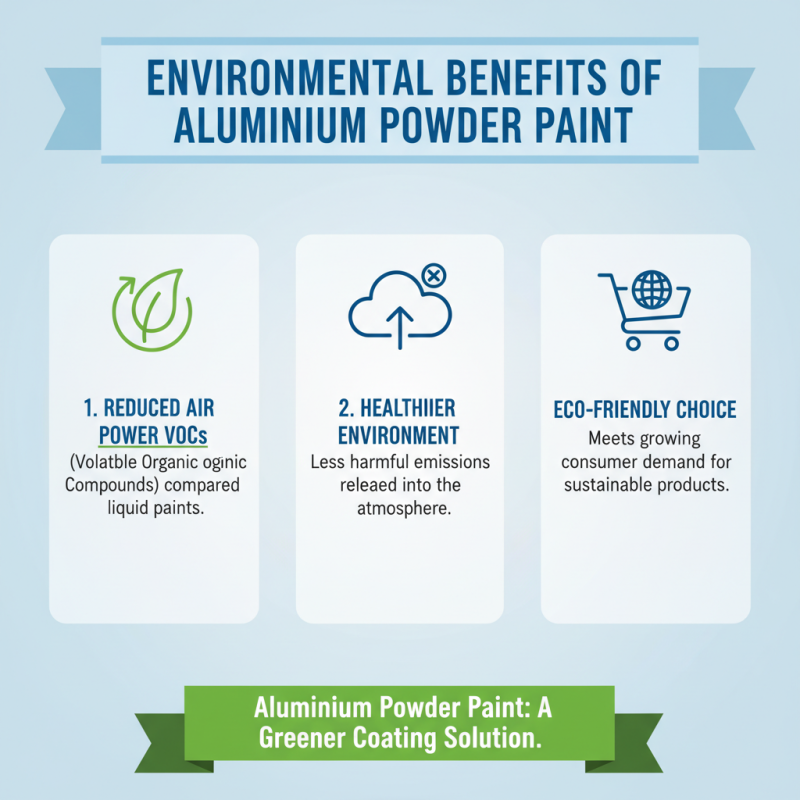
Aluminium powder paint is gaining traction in the coating industries, mainly due to its environmental advantages. This type of paint contains fewer volatile organic compounds (VOCs) compared to liquid paints. High VOC content can contribute to air pollution. Reducing these harmful emissions is crucial for a healthier environment. Consumers are becoming more aware of the ecological impact of their choices.
Moreover, aluminium powder paint offers excellent durability. It resists corrosion and weathering, which contributes to lower maintenance needs. This longevity can significantly reduce the frequency of repainting. With less frequent touch-ups, waste generation decreases. However, it is important to ensure proper application techniques. Incorrect application may lead to unsatisfactory results, such as uneven finishes.
Further, the energy consumption during production is generally lower for aluminium powder paint. This paint can be applied using electrostatic spraying, leading to efficient coverage. But, manufacturers must still invest in research to optimize processes. Overall, while aluminium powder paint shows promise for a more sustainable future, its use requires careful consideration.
Application Techniques for Aluminium Powder Coating
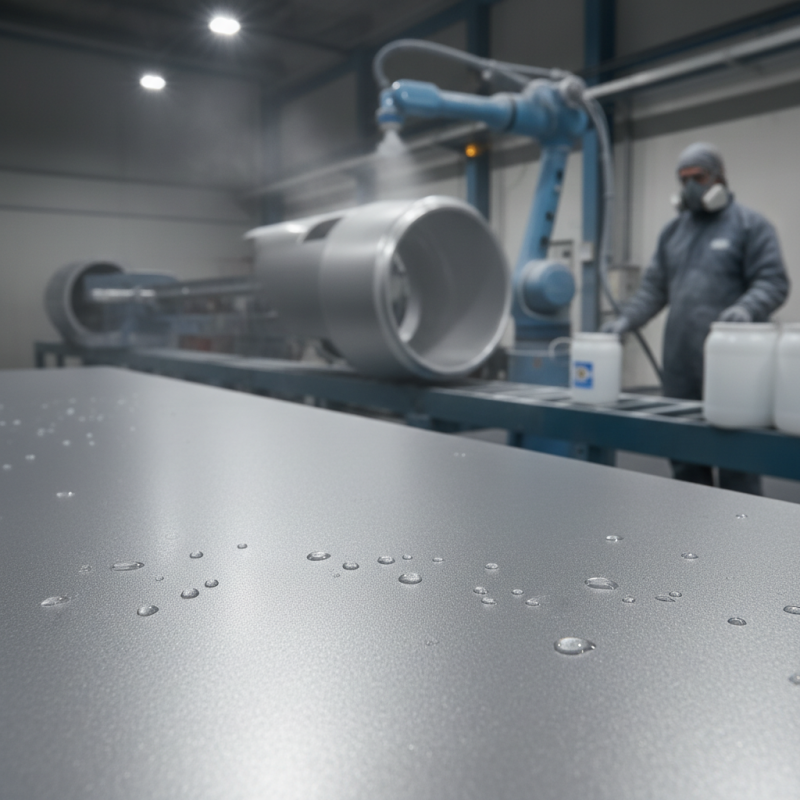
Aluminium powder coating has gained traction in various industries due to its unique application techniques. A primary method involves electrostatic spraying. In this process, charged aluminium powder adheres to a grounded surface. The result is a uniform coating that enhances adhesion and durability. This technique ensures even coverage, reducing the chances of missed spots. Spraying requires precision, which can sometimes lead to overspray and waste.
Another popular method is fluidized bed coating. This technique involves heating the substrate before immersing it in a fluidized bed of aluminium powder. The heat causes the powder to melt and form a continuous film. This method is efficient and offers a robust finish. However, controlling the temperature is critical. Too high a temperature can lead to defects, such as runs or sags in the coating.
Lastly, the curing process cannot be overlooked. Curing solidifies the coating, ensuring longevity and resistance to wear. Temperature and time should be monitored closely. Even slight deviations can lead to inadequate adhesion and reduced finish quality. This highlights the importance of thorough training and experience in the application techniques for aluminium powder coating.
Reasons for the Popularity of Aluminium Powder Paint in Coating Industries
Market Trends and Future of Aluminium Powder Paint in Industries
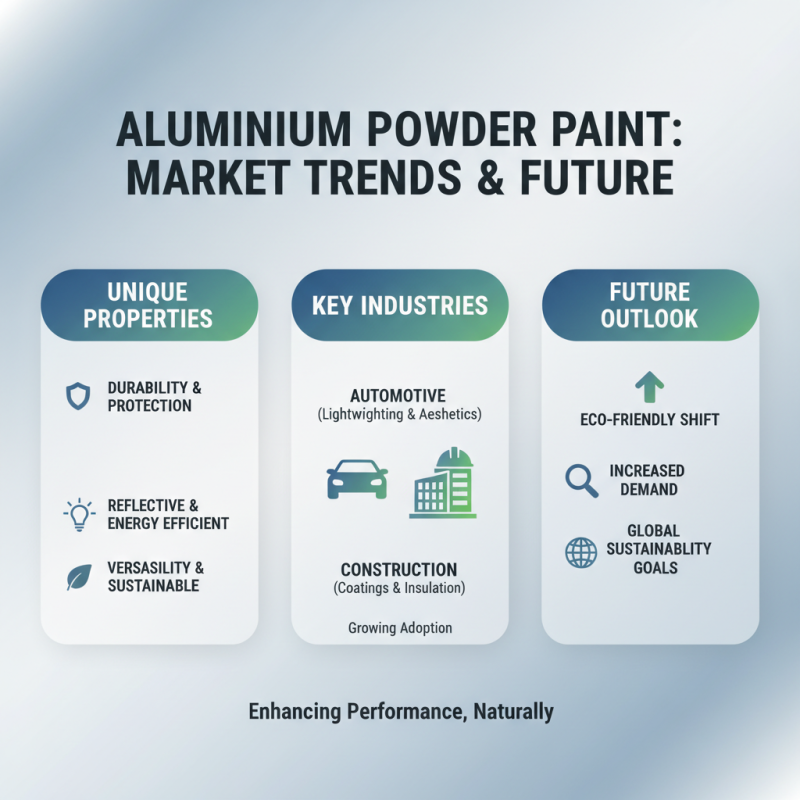
Aluminium powder paint is gaining traction in various coating industries due to its unique properties and versatility. As manufacturers seek sustainable options, aluminium powder paint offers excellent durability and a reflective quality that enhances energy efficiency. Industries, including automotive and construction, increasingly rely on it for functional and aesthetic applications. These sectors are moving towards eco-friendly practices, amplifying the demand for aluminium-based coatings.
Tips: When selecting aluminium powder paint, consider the particle size. Smaller particles create finer finishes, while larger ones provide a more textured effect. Additionally, assessing the environment in which the paint will be used is crucial. Factors like temperature and moisture can impact performance.
The future of aluminium powder paint in industries looks promising. With ongoing innovations, companies are developing formulations that improve adhesion and corrosion resistance. However, challenges remain. The need for stringent quality control can lead to variability in product performance. Balancing cost-effectiveness with superior quality is vital. Investing in research can pave the way for newer applications, ensuring that aluminium powder paint remains relevant in a rapidly evolving market.