10 Essential Tips for Maximizing Your Titanium 3D Printer Experience?
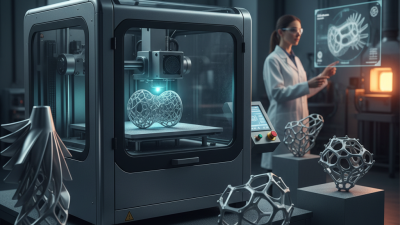
The rise of the Titanium 3D printer marks a significant shift in manufacturing. Reports indicate that the global market for titanium 3D printing is expected to grow by over 25% annually. This growth reflects the increasing demand for lightweight and high-strength materials in sectors like aerospace and medical devices.
Maximizing your experience with a Titanium 3D printer requires understanding its unique properties. Titanium offers excellent corrosion resistance and durability. However, it is also a challenging material to work with. Mistakes can be costly. Some users report difficulties in achieving consistent print quality. Knowing how to address these common issues can make a difference.
Incorporating best practices can enhance your results. Regular maintenance of your Titanium 3D printer is crucial. Tracking print parameters can help identify weaknesses in your process. Embracing a mindset of continuous improvement is essential as you navigate this complex technology. In doing so, you contribute to a growing field that is reshaping the future of manufacturing.
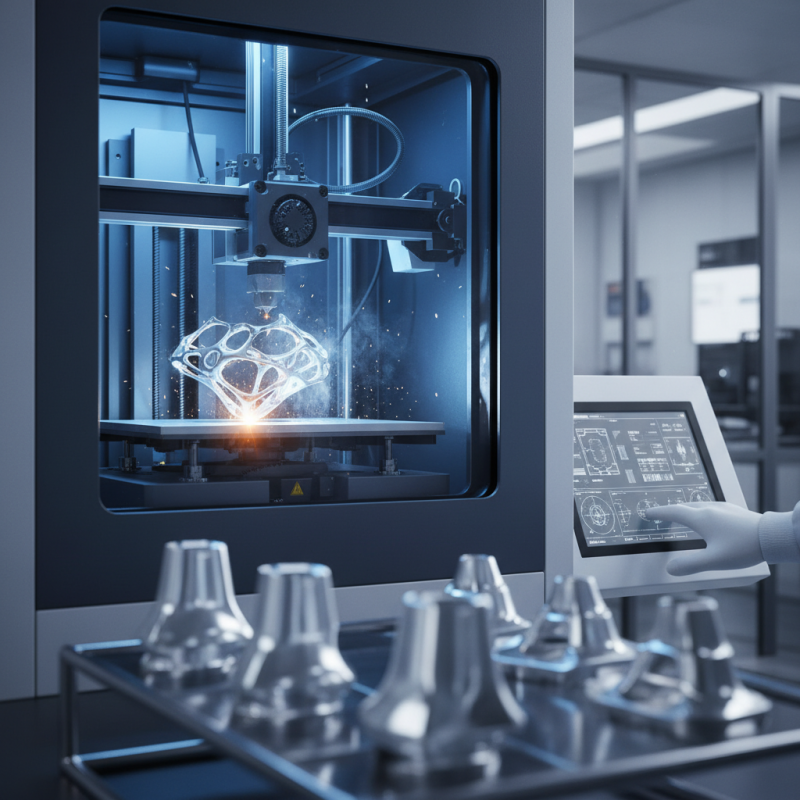
Understanding the Basics of Titanium 3D Printing Technology
Titanium 3D printing is revolutionizing industries. This technology offers lightweight yet strong components. Understanding the basics is key to success.
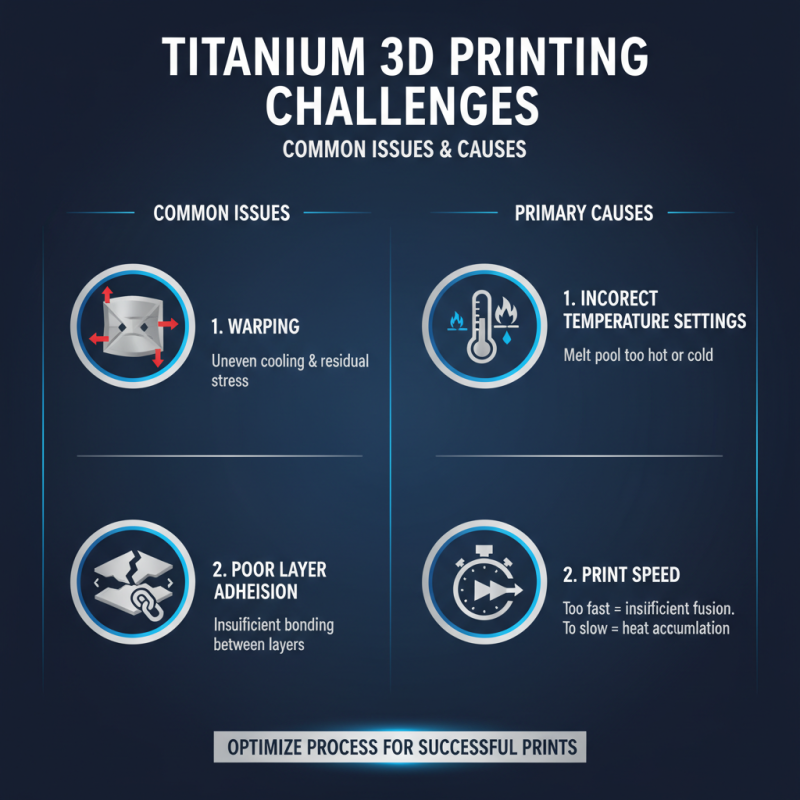
Titanium powder is essential in this process. It melts under precise conditions, ensuring optimum material performance. Operators must master the settings of the printer. Calibration is critical. Improper calibration can lead to defects, such as warping or poor layer adhesion.
Tip: Keep your workspace clean. Dust can contaminate titanium powder and result in poor prints.
Post-processing is another important aspect. Some layers may require additional finishing work. This can be time-consuming but necessary for quality.
Tip: Be patient. If a print fails, review your settings and materials. This will help you learn and improve.
Choosing the Right Titanium Material for Your Projects
Choosing the right titanium material for your projects is crucial. Different titanium alloys serve various purposes. Each alloy offers unique characteristics. You might prefer one for strength while another might excel in ductility. Understanding these differences can lead to better results.
Consider the specific requirements of your project. Will it endure high-stress conditions? Is weight a primary concern? These questions guide your material selection. For example, Grade 5 titanium, also known as Ti6Al4V, is often favored for its balance of strength and weight. However, it can be challenging to print with due to its high thermal conductivity.
Don’t overlook the challenges of each option. Some materials may warp during printing. Others might require specialized settings. It’s important to experiment and reflect on your choices. Learning from failures can inform your next project. Every setback can become a valuable learning experience, shaping your skills in titanium 3D printing.
Optimizing Printer Settings for Superior Print Quality
When it comes to optimizing settings for a titanium 3D printer, precision is key. Start by adjusting the layer height. A lower layer height often results in a smoother finish. However, it can significantly increase print time. Experiment with this setting to find the balance between speed and quality. Consider the nozzle temperature as well. If it's too high, the material may lose its strength. Too low, and you risk poor adhesion and defects.
Next, focus on print speeds. Slower speeds typically enhance quality for complex designs. However, this can be frustrating when you have tight deadlines. Watch for issues like warping or stringing, which can compromise the integrity of the print. Optimal cooling is another vital aspect. Inadequate cooling can lead to uneven surfaces or incomplete layers. Yet, excessive cooling might affect layer adhesion.
Don't forget about fine-tuning the material flow rate. Too much material can create blobs, while too little may lead to gaps. This part can be tricky. Many don’t realize how crucial these adjustments can be for successful prints. Each setting interacts with others in ways that are not always intuitive. Regular reflection on your settings can help improve your results over time.
Post-Processing Techniques for Enhancing Titanium Parts
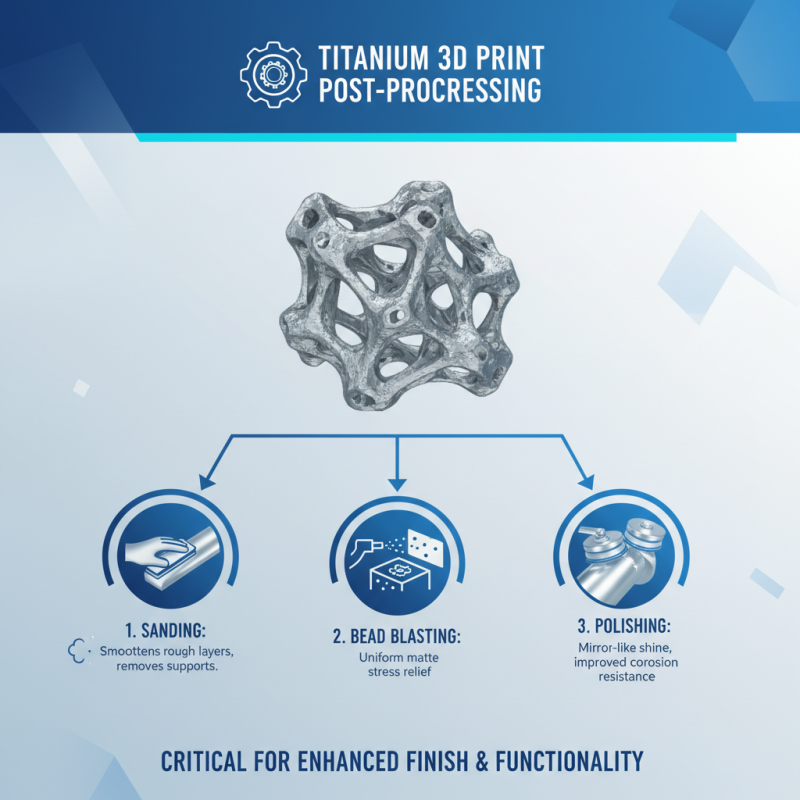
Post-processing is critical for titanium parts. After 3D printing, the surface often requires attention. Common techniques include sanding, bead blasting, and polishing. Each method enhances the final finish and improves functionality.
Sanding is effective but time-consuming. It removes layer lines and imperfections. However, achieving a uniform surface can be challenging. Bead blasting offers a quicker alternative. This method can create a matte finish but may not reach tight tolerances.
Polishing takes the finish to another level. It can produce a reflective surface that looks stunning. Yet, it’s essential to avoid over-polishing, which can diminish the part's integrity. Remember, every technique has its pros and cons. Testing different methods is crucial to finding the best approach for your specific needs.