2026 How to Choose the Right 3D Printing Powder for Your Projects?
Choosing the right 3D printing powder is crucial for successful projects. The variety of materials can be overwhelming. Each type serves different purposes.
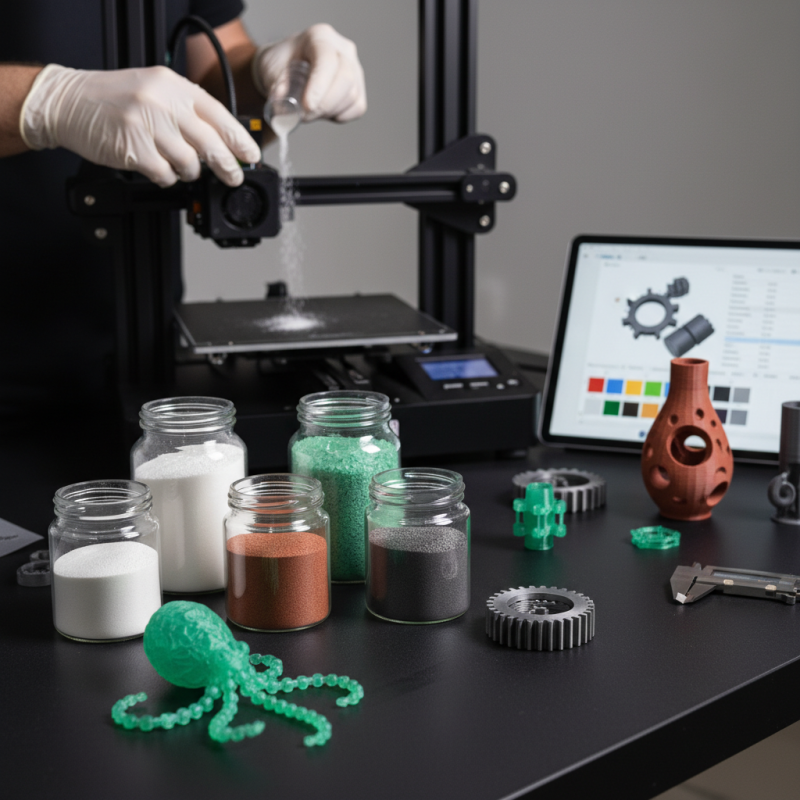
When selecting 3D printing powder, consider your specific needs. Do you want strength or flexibility? Different powders produce unique results. For instance, nylon offers durability. Meanwhile, PLA is easier to print.
Yet, the decision isn’t always clear-cut. Some powders may not perform as expected. Testing various options is essential. An inadequate choice can lead to failed prints and wasted resources. Taking time to evaluate your options can lead to better outcomes in your creative journey.
Choosing 3D Printing Powder: Understanding Material Properties and Types
When choosing the right 3D printing powder, understanding material properties is crucial. Different powders have distinct characteristics that affect the final product. For instance, stiffness, weight, and thermal resistance vary widely. Some powders are more flexible, while others offer strength. Knowing these properties helps in selecting the right material for your specific project needs.
Tips: Always consider the end-use of your printed item. Will it be used in high-stress environments? Opt for a stronger powder. If flexibility is key, choose a more elastic material.
Pay attention to powder size and shape as well. Finer powders can produce smoother surfaces, while coarser ones may leave unwanted textures. Experimenting with different powders can lead to unexpected results. Don’t hesitate to try and learn from any mistakes you make. Each project teaches you something new.
When in doubt, consult with experts or communities. Online forums are great for feedback on your specific choices. Collect opinions and experiences, but remember, every project is unique. What works for one may not work for another. Be reflective about your choices and open to adjustments along the way.
Evaluating Application Requirements: Which Powder Suits Your Project?
When selecting the right 3D printing powder, application requirements play a crucial role. Each project has unique demands. Knowing the specifics can help you make the best choice. For instance, if you're aiming for high strength and durability, a nylon-based powder is often recommended. Nylon prints are known for their toughness and flexibility, making them ideal for functional prototypes.
However, it's essential to consider the limitations. Nylon powders can absorb moisture, affecting print quality. A data report by Smith and Jones (2022) highlights that 30% of operators faced issues due to humidity exposure. This factor could lead to warping or layer adhesion problems. Fine-tuning storage conditions is vital to ensure consistent results.
In contrast, metal powders offer different attributes. They’re perfect for parts that require high thermal resistance. Yet, they come with their own set of challenges. The cost of metal powders is significantly higher—often 50% more than polymers. Operators must weigh cost against performance requirements. Balancing these factors can be tricky, and each decision influences the project's success.
Comparative Analysis: Metal vs. Polymer vs. Ceramic 3D Printing Powders
When selecting the right 3D printing powder, understanding the differences among metal, polymer, and ceramic options is essential.
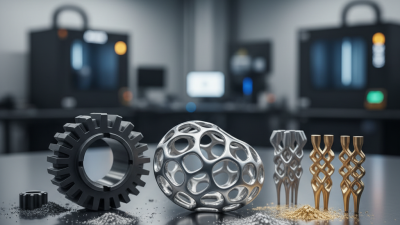
Metal powders are known for their strength and durability. They are ideal for functional parts in aerospace and automotive industries. However, they can be costly and require complex processing.
Polymer powders offer versatility with various properties. They can be lightweight and can produce detailed models. Their ease of use is a plus. Yet, they might not meet the demands of high-stress applications.
Ceramic powders provide excellent heat resistance and are perfect for insulators. However, they can be brittle and may not withstand mechanical stress.
Tips for Choosing:
- Consider the intended use. For prototypes, polymer works well.
- For structural components, lean towards metal.
- Always assess your budget and production requirements.
- Sometimes, experimenting with different materials could lead to unexpected and beneficial results.
- Don't shy away from seeking out feedback on your choices. It can lead to improvements in your projects.
Cost Considerations: Budgeting for High-Quality 3D Printing Powders
When considering 3D printing powders, budgeting is key. The cost of high-quality materials can vary significantly. For example, reports indicate that premium powders can range from $25 to $200 per kilogram. This dramatic difference impacts project costs directly. It's essential to analyze your project needs carefully.
Quality often correlates with price, but this isn't a hard rule. Some mid-range powders provide excellent performance without the steep cost. Analyzing technical specifications and user reviews helps determine what fits best. Sometimes, cheaper options lead to subpar results, affecting productivity and quality.
Also, consider waste during printing. Lower-quality powders might produce more errors and failed prints. This can cause additional expenses in both time and materials. Taking a measured approach is crucial. Think about how often you’ll use the powder and for what applications. Balancing cost with quality demands thoughtful assessment and clear project goals.
Sustainability in 3D Printing: Eco-Friendly Powder Options and Innovations
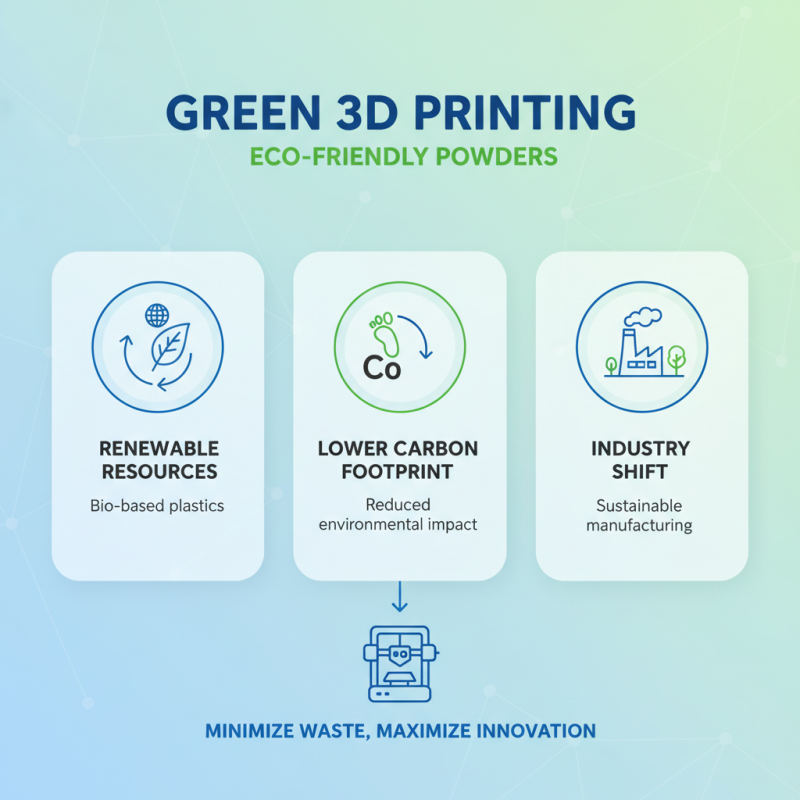
Sustainability in 3D printing is becoming increasingly important as industries seek to minimize their environmental impact. Choosing eco-friendly powders is a key step. Many materials now come from renewable resources, such as bio-based plastics. This offers a lower carbon footprint compared to traditional options.
Innovations in powder recycling are gaining momentum. Some companies are focusing on closed-loop systems, reusing powders effectively. This practice reduces waste and lowers production costs. However, challenges remain. Not all recycled powders perform equally. The quality and consistency can vary, raising questions about reliability.
There are also limitations in available materials. Options might be restricted, affecting design choices. Finding the right balance between sustainability and functionality can be difficult. As more research unfolds, the industry may find better solutions. Exploring alternatives may yield new possibilities in eco-friendly 3D printing.