Top 10 Uses of Bulk Aluminum Powder in Various Industries
Bulk Aluminum Powder has gained significant traction across various industries. Its lightweight nature and excellent thermal conductivity make it an essential material. According to a report by MarketsandMarkets, the global aluminum powder market is expected to reach $1.75 billion by 2026, growing at a CAGR of 6.35%. This growth reflects the increasing demand for efficient materials in technology and manufacturing.
In aerospace and automotive sectors, Bulk Aluminum Powder is used to enhance performance. It reduces weight, which directly impacts fuel efficiency. Moreover, in the construction industry, it contributes to fire-resistant materials. However, there are challenges in milling and processing aluminum powder. Understanding its properties is crucial. Many companies overlook these factors, leading to suboptimal product outcomes.
Despite its advantages, proper safety measures must be taken when handling Bulk Aluminum Powder. Risks of dust explosions are significant in manufacturing settings. Industry studies emphasize the need for improved safety protocols. By recognizing the potential mishaps, companies can ensure better practices and product performance. This comprehensive understanding of Bulk Aluminum Powder can drive innovation across sectors.
Applications of Bulk Aluminum Powder in Aerospace Manufacturing
Bulk aluminum powder plays a critical role in aerospace manufacturing. Its lightweight properties significantly reduce overall aircraft weight, enhancing fuel efficiency. According to a recent industry report, lightweight materials can lead to fuel savings of up to 30%. This reduction is crucial for meeting stringent environmental regulations.
The versatility of aluminum powder is another reason for its widespread use. It is employed in creating lightweight composites, used in aircraft structures and components. These materials offer excellent strength-to-weight ratios. In addition, aluminum powder is used in metal additive manufacturing. This process allows for the creation of complex geometries that traditional methods cannot achieve.
Tip: When selecting aluminum powder for aerospace applications, consider grain size and purity. Smaller particles provide better flowability, which is essential for additive processes. However, purity is vital too. Impurities can lead to defects in the final product.
Despite its advantages, challenges remain. The production of aluminum powder can be energy-intensive. Techniques used must balance performance and sustainability. Ongoing research seeks to improve energy efficiency. The industry needs more innovation to address these concerns effectively.
Utilization of Aluminum Powder in Automotive Components and Coatings
Aluminum powder plays a vital role in the automotive industry. It's lightweight, which helps improve fuel efficiency. This makes vehicles more environmentally friendly. Many components utilize aluminum powder. These include engine parts, wheels, and structural elements. The use of aluminum powder enhances performance while reducing overall weight.
Tips: Always consider the environment. Explore recycling options for aluminum powder. This not only saves resources but also decreases waste.
Coatings also benefit from aluminum powder. It provides a unique aesthetic finish. Many manufacturers use it in paints for cars. The powder enhances durability and resistance to corrosion. However, quality control is crucial. Inconsistent powder can lead to defects. Testing and quality checks are essential.
Tips: When working with coatings, focus on uniformity. Inconsistencies can affect the final product’s appearance. Keep experimenting to refine your application methods. This can lead to better outcomes.
Role of Aluminum Powder in Construction and Building Materials
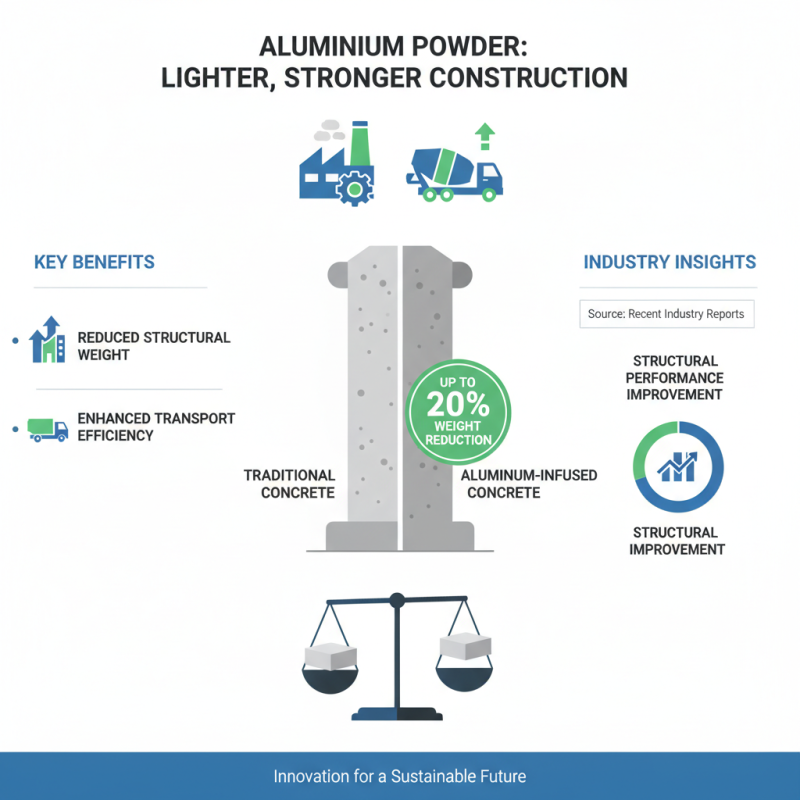
Aluminum powder plays a crucial role in construction and building materials. Its lightweight nature makes it an excellent choice for reducing the overall weight of structures. According to recent industry reports, the use of aluminum powder can decrease the weight of concrete columns by up to 20%. This reduction not only improves transportation efficiency but also enhances structural performance.
The incorporation of aluminum powder in concrete helps create lightweight aggregates. These aggregates lead to better insulation properties and improved energy efficiency in buildings. It may seem simple, but many architects overlook this material. Using aluminum powder can also improve the durability of structures, especially in harsh environments. The material is resistant to corrosion and can withstand varying weather conditions.
Tips: When using aluminum powder, ensure proper mixing ratios to maximize its benefits. Too little can compromise strength, while too much may weaken the structure. Regular testing can help achieve the best results. Also, pay attention to local regulations regarding aluminum use in construction.
Despite its benefits, the market faces challenges. Sourcing high-quality aluminum powder can be inconsistent. Additionally, some manufacturers may not understand its properties fully. This leads to subpar use and results. Being aware of these pitfalls is essential for architects and builders.
Innovative Uses of Aluminum Powder in Chemical and Pharmaceutical Industries
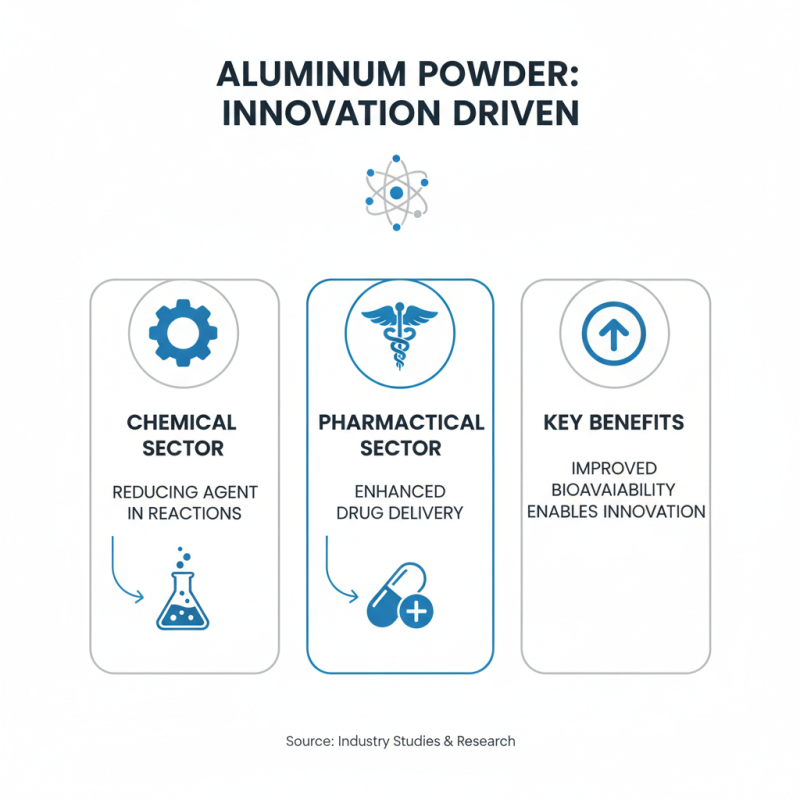
Aluminum powder is gaining traction in the chemical and pharmaceutical sectors. Its unique properties enable innovation. For example, aluminum powder serves as a reducing agent in various chemical reactions. Studies show that using aluminum in pharmaceuticals enhances drug delivery systems. This significantly improves bioavailability.
Additionally, the powder acts as a stabilizer in drug formulations. According to research, aluminum-based compounds can improve the stability of certain active ingredients. This ensures longer shelf life and efficacy. However, using aluminum requires careful consideration. Its reactive nature may pose challenges in specific formulations.
**Tip**: When working with aluminum powder, always assess compatibility with other ingredients. This step prevents adverse reactions.
The aerospace realm also benefits from aluminum powder. It aids in creating lightweight materials. These materials improve fuel efficiency. Nevertheless, careful analysis is crucial. Not every application will yield optimal results. Striking the right balance can be complex.
**Tip**: Conduct thorough testing before large-scale production. This helps identify any potential issues early.
Impact of Bulk Aluminum Powder on Electronics and Electrical Engineering
Bulk aluminum powder is gaining traction in electronics and electrical engineering. Its lightweight and conductive nature makes it ideal for various applications. For instance, it is increasingly used in manufacturing heat sinks. These components are critical in regulating temperature in electronic devices. According to industry reports, aluminum’s thermal conductivity is 235 W/mK, demonstrating its efficiency.
In addition, aluminum powder is used in conductive inks for printed circuit boards (PCBs). This usage has been on the rise, with reports forecasting a market growth of 6.1% annually. The powder allows for durable connections while minimizing weight. The flexibility of aluminum powder makes it suitable for thin layers, enhancing device performance.
Tips: Ensure proper handling of aluminum powder. Dust can be flammable; safety precautions are essential. Consider exploring eco-friendly production methods to reduce environmental impact. This can also lead to cost savings in the long run. While bulk aluminum powder presents numerous advantages, its use must be balanced with sustainability considerations.
Top 10 Uses of Bulk Aluminum Powder in Various Industries - Impact of Bulk Aluminum Powder on Electronics and Electrical Engineering
| Application |
Industry |
Benefits |
Impact on Electronics |
| Conductive Coatings |
Electronics |
Increased conductivity |
Enhances signal transmission |
| Additive for Plastics |
Automotive |
Weight reduction |
Improved energy efficiency |
| Battery Components |
Energy Storage |
Higher energy density |
Extended battery life |
| Thermal Interface Materials |
Electronics |
Improved heat management |
Prevention of overheating |
| Lighting Products |
Consumer Electronics |
Enhanced brightness |
Better light output |
| Electromagnetic Shielding |
Telecommunications |
Reduced EMI |
Improved signal integrity |
| Composite Materials |
Aerospace |
High strength-to-weight ratio |
Fuel efficiency improvement |
| Ferrous and Non-Ferrous Alloying Agent |
Manufacturing |
Enhanced material properties |
Increased durability |
| Coatings for Circuit Boards |
Electronics |
Improved corrosion resistance |
Longevity of components |
| Soldering Material |
Electronics |
Superior adhesion |
Enhanced connectivity |