Top 10 Benefits of 3D Metal Printed Parts for Modern Manufacturing?
In the evolving landscape of manufacturing, 3D metal printed parts stand out as a transformative technology. These components are reshaping the production process, enabling designs that were once unimaginable. With advancements in additive manufacturing, industries are discovering the value of these parts, integrating them into their workflows.
The benefits of 3D metal printed parts extend beyond traditional methods. They offer design freedom, allowing engineers to create complex geometries. This opens up new possibilities for innovation. However, the technology is not without challenges. The learning curve can be steep, and quality control remains a critical issue. Companies must navigate these hurdles carefully to maximize their investment.
As we explore the top benefits of 3D metal printed parts, it is essential to recognize both their potential and limitations. Embracing this technology requires a balanced perspective, blending enthusiasm with a realistic view of the manufacturing journey ahead. Ultimately, the future of modern manufacturing heavily relies on how well organizations adapt to these changes.
Benefits of 3D Metal Printing in Reducing Production Lead Times
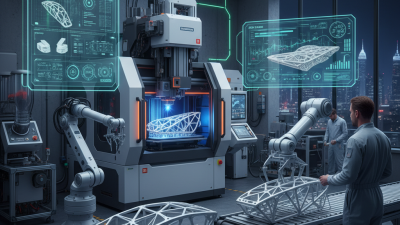
3D metal printing is revolutionizing modern manufacturing by significantly reducing production lead times. This technology allows for rapid prototyping and production of complex parts. Traditional methods often involve lengthy tooling processes. In contrast, 3D printing eliminates many of these, enabling manufacturers to move from design to production swiftly.
An example of this is the ability to print intricate designs that were previously impossible or costly with conventional techniques. This capability shortens the time from concept to market. However, not every design translates well into 3D printed parts. Close attention to material properties and design intricacies is necessary. Manufacturers must understand the unique challenges that arise, such as potential defects or post-processing requirements.
Lead time reductions are significant, but careful planning is essential. Companies must balance speed with quality. Rapid production cannot compromise the integrity needed for functional parts. Engaging in thorough testing and validation plans can mitigate risks associated with this innovative approach. Embracing 3D metal printing presents opportunities, yet demands a strategic mindset to navigate its complexities effectively.
Impact of 3D Metal Printing on Design Flexibility and Complexity
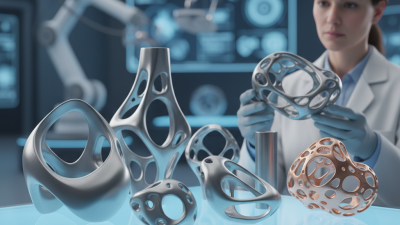
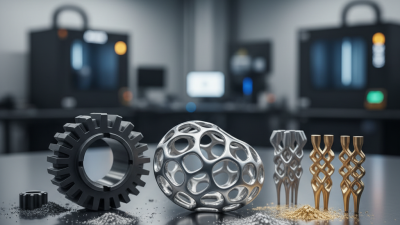
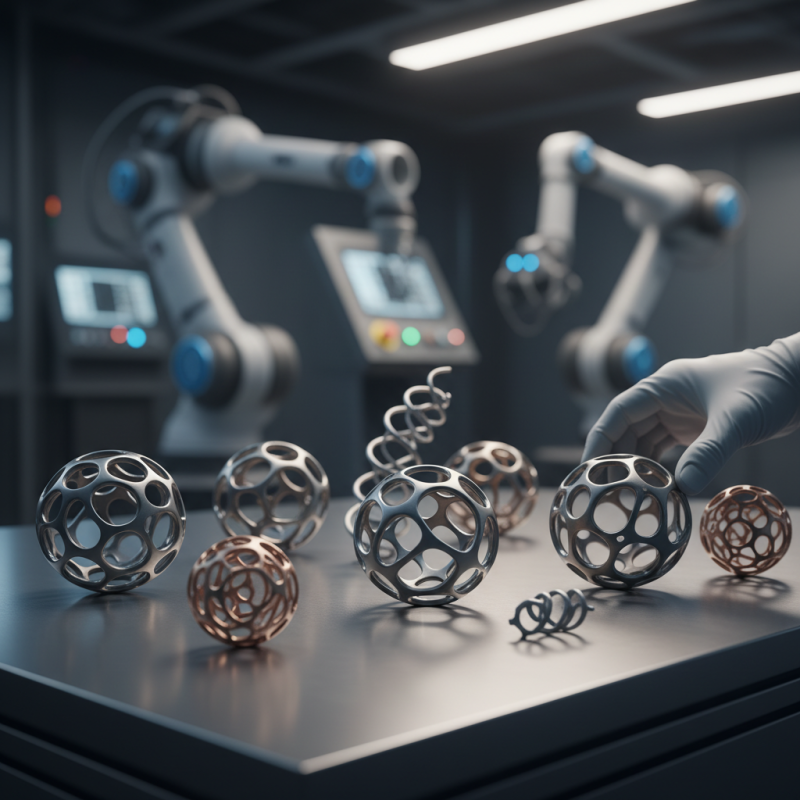
3D metal printing offers unparalleled design flexibility in modern manufacturing. Traditional methods often impose limitations on complex geometries. In contrast, additive manufacturing allows for intricate shapes that were once impossible. This transformative capability paves the way for innovative products. For example, parts can feature internal lattice structures, significantly reducing weight without compromising strength.
However, this flexibility comes with challenges. Designing for 3D printing requires a new mindset. Engineers must consider factors like support structures and material behavior during printing. These considerations can complicate the design process. Despite these hurdles, successful designs can lead to more efficient and effective parts. The potential for customization also means manufacturers can quickly adapt designs to meet specific customer needs.
Moreover, 3D metal printing can enhance performance. Complex geometries often lead to improved airflow in aerospace applications. In automotive sectors, parts can be optimized for weight savings, enhancing fuel efficiency. While the benefits are clear, the learning curve for designers can be steep. Emphasizing collaboration between design and manufacturing teams can bridge this gap. The journey towards mastery in 3D design may be iterative, but the rewards are well worth the effort.
Enhancing Material Properties through 3D Metal Printing Techniques
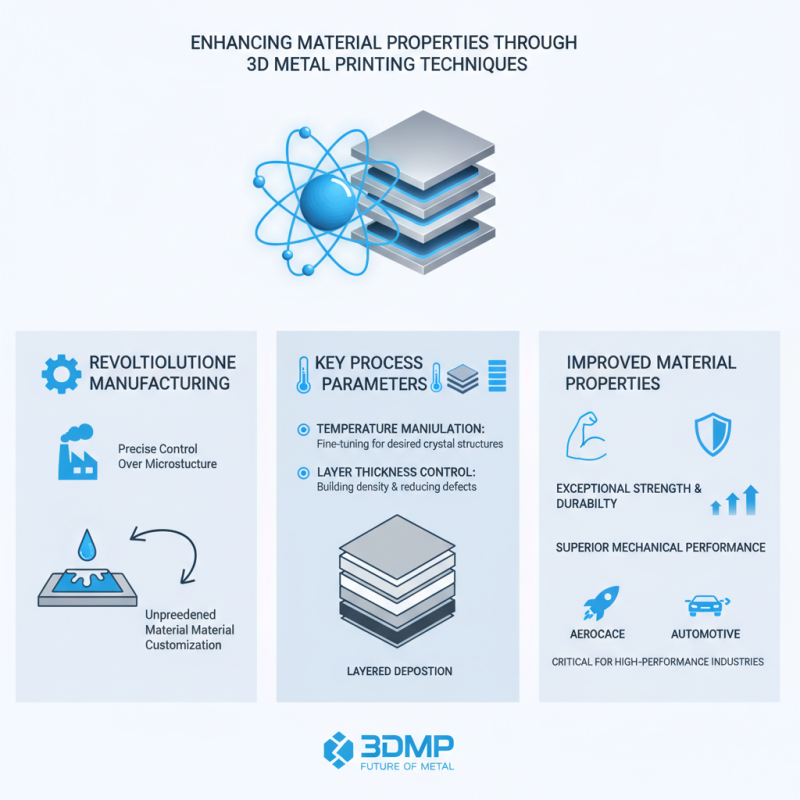
3D metal printing has revolutionized the manufacturing industry, particularly in enhancing material properties. This cutting-edge technology allows precise control over the microstructure of the materials used. By manipulating factors like temperature and layer thickness, manufacturers can create parts with exceptional strength and durability. This precision leads to improved mechanical properties, which is vital in industries such as aerospace and automotive.
Tips: When designing for 3D metal printing, consider the final application. Analyze the stresses the part will face. This helps in selecting the right materials and optimizing the design for enhanced performance.
As the technology matures, challenges remain. Understanding the limitations of various 3D printing techniques is crucial. Each method affects the material properties differently. For instance, some techniques may lead to residual stresses, affecting the part's longevity. It's important to conduct thorough testing and analysis to evaluate these effects fully.
Tips: Regularly review the latest research in 3D printing. Staying informed on advancements can help manufacturers avoid common pitfalls. Incorporating lessons learned from previous projects can lead to better outcomes in new designs.
Sustainability Advantages: Waste Reduction in 3D Metal Manufacturing
The advantages of 3D metal printing are transforming modern manufacturing. One of the most significant benefits is sustainability. Traditional manufacturing often leads to excessive waste, with materials cut away and discarded. In contrast, 3D metal printing builds parts layer by layer. This process uses only the material needed, significantly reducing waste.
A study showed that 3D metal printing can decrease material waste by up to 90%. This reduction is essential as industries strive to minimize their environmental impact. However, challenges remain. Not all materials are suitable for 3D printing. Sourcing sustainable materials is still a work in progress. Additionally, the energy consumption in printing can be high, raising concerns about its overall ecological footprint.
The complexity of designs achievable with 3D printing also presents issues. While intricate geometries can improve efficiency, they complicate the recycling process. Manufacturers must consider how these parts will be disposed of at the end of their life. Ensuring that the production aligns with sustainable practices requires ongoing reflection and adaptation.