What is Aluminum Black Powder and How is it Used?
Aluminum Black Powder is a fascinating material in various industries. It plays a significant role in pyrotechnics, metallurgy, and even coatings. According to Dr. Emily Carter, a leading expert in material science, "Aluminum Black Powder enhances many applications due to its unique properties."
This powerful substance is known for its lightweight and energy-efficient nature. However, its handling requires care and knowledge. Many users may overlook safety guidelines, which can lead to potential mishaps. The balance between innovation and safety is crucial.
Moreover, the environmental impact of producing Aluminum Black Powder is a concern. Sustainable practices are becoming increasingly important. As industries evolve, reflecting on both benefits and risks becomes vital to ensure safe and responsible use.
Definition and Composition of Aluminum Black Powder
Aluminum black powder is a fine, dark substance primarily composed of aluminum particles. Its key components include about 70% aluminum and 30% additives, which help enhance its performance in various applications. The particle size can vary from 1 to 200 micrometers, with smaller particles offering faster oxidation rates. This characteristic makes aluminum black powder a versatile material in energetic formulations.
In the industry, aluminum black powder is extensively used as a fuel in solid rocket propellants and pyrotechnics. Research has shown that its reactivity can significantly improve energy output. A recent report indicates a performance increase of up to 20% when used in certain pyrotechnic formulations. However, discrepancies in particle size and composition can lead to performance inconsistencies. This highlights the need for careful quality control in manufacturing processes.
Tips: When handling aluminum black powder, ensure proper safety measures are in place. Fine particles can be flammable, so avoid generating dust. Always store it in a cool, dry place to maintain its stability. Regular testing can help mitigate risks associated with variability in composition.
Historical Background and Discovery of Aluminum Black Powder
Aluminum black powder has a fascinating history. It was first discovered in the late 18th century. Chemists were exploring metal powders at the time. They were curious about their properties and uses. This experimentation led to new insights. Researchers noted aluminum's potential for creating intense reactions. Black powder emerged from these early explorations.
Initially, its application was limited. Early users favored it for pyrotechnics. The vibrant colors of fireworks attracted attention. Over time, the powder found new uses. Engineers started using it in various industries. It played a role in aerospace, defense, and manufacturing. However, the path was not always straightforward. Safety concerns emerged with its handling and storage. Innovations were necessary to ensure responsible use.
Despite its challenges, aluminum black powder stands out. Its discovery sparked a wave of exploration into metal powders. Today, it symbolizes human curiosity and innovation. Each application comes with risks and benefits. This balance must be understood when using such materials. The story of aluminum black powder continues to unfold.
Aluminum Black Powder Usage Over the Decades
Common Applications of Aluminum Black Powder in Industries
Aluminum black powder has a range of important applications in various industries. It serves as a component in fireworks. The powder enhances the visual effects, creating vibrant colors. This application demands precision. Handling such materials requires care due to their reactive nature. Safety protocols are essential to prevent accidents.
Another significant use is in the manufacturing of paints and coatings. Aluminum black powder can provide a matte finish. It is often sought after for its ability to increase durability. Some industries use it in automotive parts, enhancing both aesthetics and function. However, not every application achieves perfect results. Variables like particle size and purity affect performance.
In solid propellants, aluminum black powder plays a crucial role. Its presence increases energy efficiency. However, inconsistent quality can lead to issues. Industries must remain vigilant. Each batch requires careful testing. Quality control is paramount for success. Despite its many uses, challenges persist within each industry. Finding reliable sources and maintaining safety standards are ongoing concerns.
Safety Precautions When Handling Aluminum Black Powder
Aluminum black powder is a fine, dark powder made from aluminum. It is often used in pyrotechnics, metallurgy, and more. However, handling this substance requires careful attention to safety. The risks involve flammability and potential reactions with moisture.
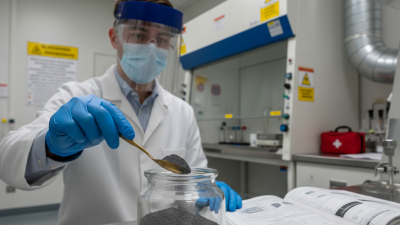
Wearing appropriate personal protective equipment (PPE) is essential. This includes gloves, goggles, and dust masks. Avoid direct skin contact to prevent irritation. Store aluminum black powder in a cool, dry place, away from any sources of ignition. Containers should be labeled clearly.
Here are some tips to ensure safety while working with aluminum black powder:
- Always work in a well-ventilated area. This reduces the risk of inhalation.
- Keep a fire extinguisher nearby and know how to use it.
- Regularly check your workspace for moisture. Even small amounts can cause unwanted reactions.
Remember, practicing safety is not just about following rules. It's about being aware and proactive. Take breaks to refresh your mind and stay focused. Handling such materials can be intense. Stay safe and remain cautious at all times.
Environmental Considerations Related to Aluminum Black Powder Use
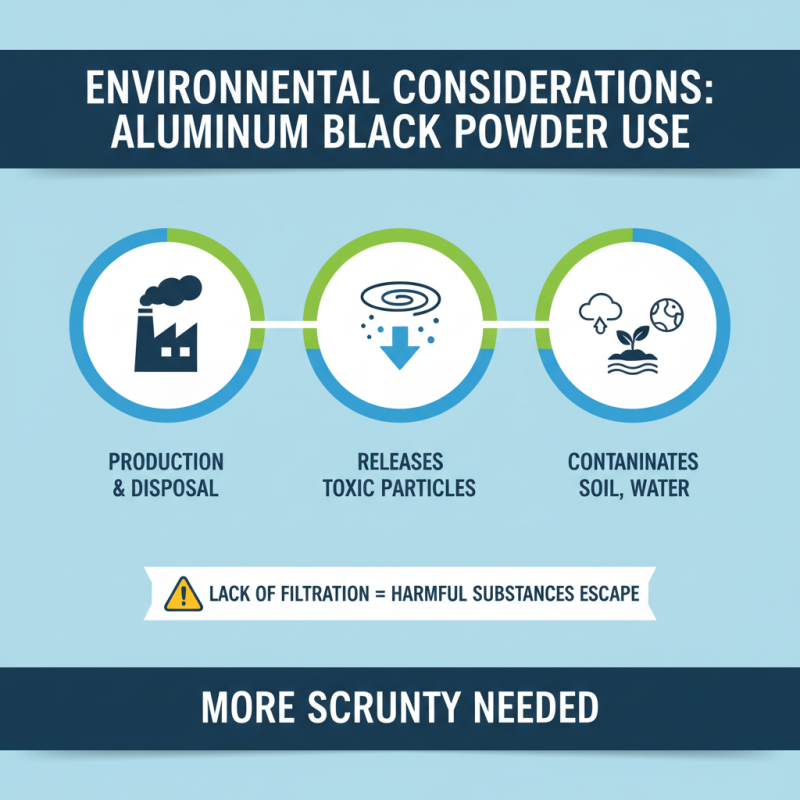
Aluminum black powder is a notable substance with various applications, yet its use brings environmental concerns to the forefront. The production and disposal of this material can release toxic particles. These particles may contaminate air, soil, and water. Industrial processes often neglect proper filtration, allowing harmful substances to escape into the environment. More scrutiny is needed in these areas.
The impact on wildlife is particularly worrisome. Small creatures may ingest particles, leading to health issues. Polluted water can disrupt entire ecosystems. A balance must be sought between industrial use and environmental protection. Some industries are now exploring safer alternatives. However, innovations are slow to materialize. The cost, practicality, and effectiveness of substitutes remain under evaluation.
It's essential to consider how aluminum black powder is handled. Proper waste management practices are crucial. Many facilities lack the necessary resources to implement efficient systems. Awareness and education about these risks should be increased. Discussions on sustainability continue to evolve yet often lack actionable plans in the field. Each step counts, but comprehensive strategies are still in their infancy.