What is 3D Metal Printed Parts and How Can They Benefit You?
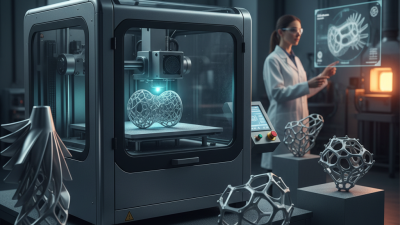
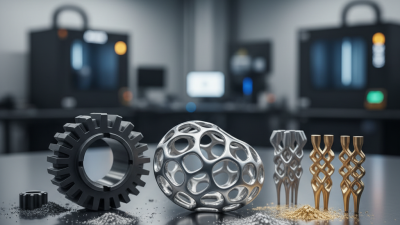
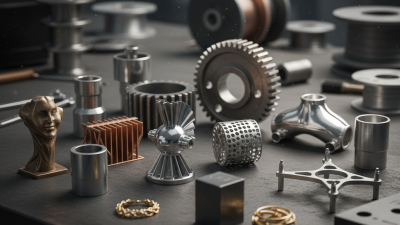
3D Metal Printed Parts represent a groundbreaking innovation in manufacturing. This technology allows for the creation of complex geometries that traditional methods struggle to achieve. Many industries are adopting 3D metal printing. Aerospace, automotive, and medical sectors benefit greatly from this advancement.
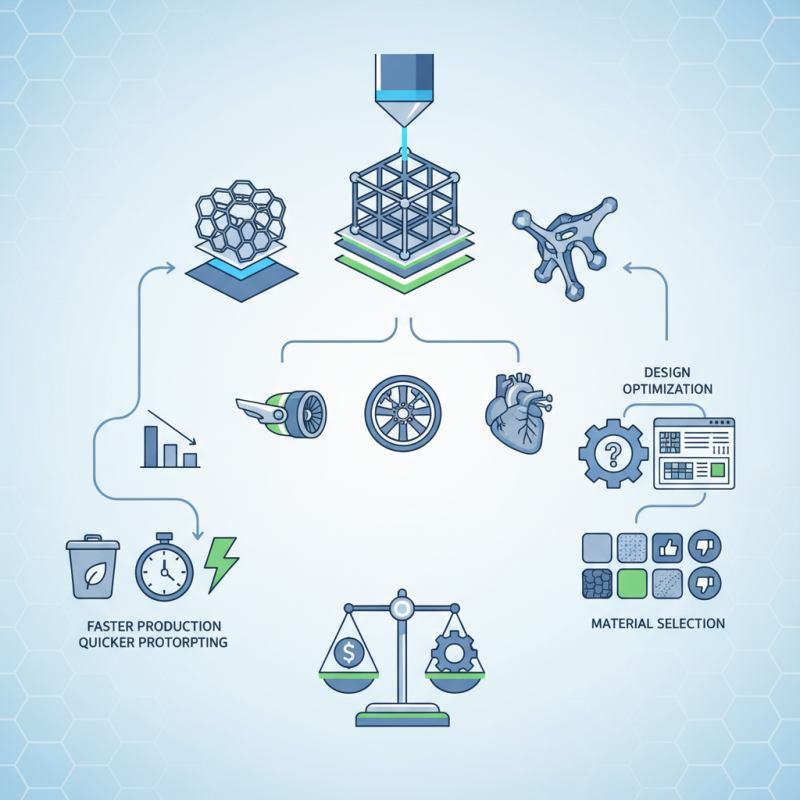
The advantages of 3D Metal Printed Parts are significant. They focus on reducing waste, which is a crucial aspect of modern manufacturing. This process often requires less material than conventional techniques. Additionally, the speed of production is worth noting. 3D printing enables faster prototyping, which means quicker time-to-market.
However, the technology is not without challenges. Understanding how to optimize designs for 3D printing can be tough. Not every material is suitable for this process, necessitating careful selection. As producers explore 3D Metal Printed Parts, they must weigh the costs and benefits. Each project may require unique solutions.
What is 3D Metal Printing and Its Main Processes Explained
3D metal printing has transformed manufacturing. This technology uses techniques like Selective Laser Melting (SLM) and Electron Beam Melting (EBM) to create intricate metal parts. According to a report by Wohlers Associates, the metal 3D printing market hit $1.2 billion in 2022, showing rapid growth potential. These processes have broadened design possibilities, allowing for lightweight structures that were previously unattainable.
SLM works by melting layers of metal powder with a laser. Each layer builds upon the previous one, resulting in complex geometries. On the other hand, EBM utilizes an electron beam in a vacuum to achieve similar results. Both methods can produce components with reduced waste, making them more sustainable. While initial costs can be high, automation statistics indicate that companies can reduce labor costs by up to 30% over time.
The technology is evolving, but challenges remain. Material limitations persist, as not all metals are suitable for 3D printing. Moreover, the printing process requires precise parameters to avoid defects. These factors highlight the need for continuous research and development. As industries adopt this technology, understanding and addressing these challenges will be crucial for maximizing its benefits.
Benefits of 3D Metal Printing
Key Materials Used in 3D Metal Printing: A Comprehensive Overview
3D metal printing is revolutionizing manufacturing with its unique approach to creating parts. Key materials in this process include
titanium,
aluminum,
and
stainless steel. Each material offers distinctive properties that cater to various industries.
Titanium is known for its strength-to-weight ratio, making it ideal for aerospace applications.
Aluminum, on the other hand, provides excellent thermal conductivity and lightweight characteristics favored in automotive sectors.
Stainless steel is another commonly used material. It boasts corrosion resistance and durability, suitable for medical devices and industrial applications.
However, selecting the right material can be challenging. Each has specific qualities that may not suit every project. Understanding your part's environmental exposure and mechanical requirements is essential.
While the benefits of 3D metal printing are evident, there are pitfalls. The cost of metal powders can be high. Not every facility can afford the machinery required for metal printing.
Quality control remains an ongoing challenge too. Parts can have inconsistencies that need addressing. Ensuring precision in the final product requires a meticulous approach to design and production.
Advantages of 3D Metal Printed Parts in Various Industries
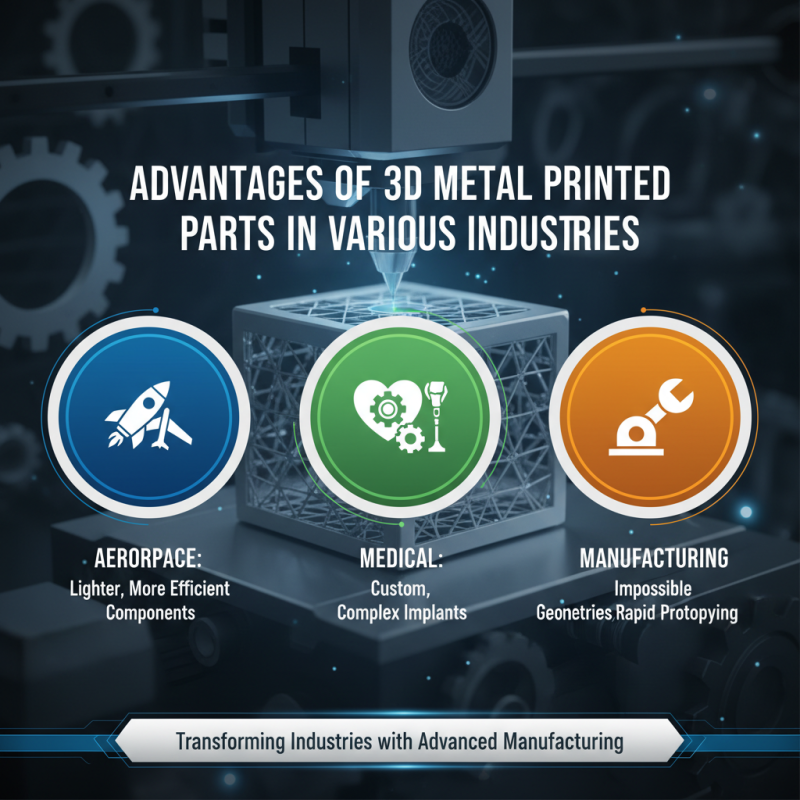
3D metal printed parts have transformed manufacturing across various sectors. They offer unique advantages over traditional methods. This technology enables complex geometries that were previously impossible to achieve. As a result, industries like aerospace and medical can produce lighter and more efficient components.
In aerospace, for instance, 3D printing reduces weight, which directly enhances fuel efficiency. With metal parts, manufacturers can decrease waste material during creation. This process leads to a more sustainable approach. It is essential to reflect on the initial high setup costs versus long-term savings.
The medical field benefits significantly from custom-made implants. Metal 3D printing allows for personalized solutions tailored to individual patients. These parts can improve recovery times and overall health outcomes. However, the challenge remains in meeting stringent regulatory standards and ensuring quality control. This ongoing need for precision requires constant adaptation and learning in the field.
Statistical Insights: Market Growth and Adoption Rates of Metal 3D Printing
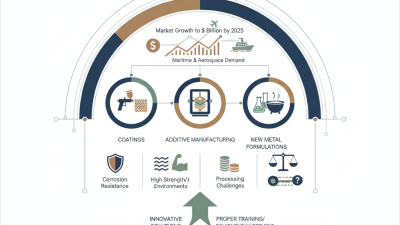
The metal 3D printing market is rapidly evolving. According to recent studies, the usage of 3D metal printing is projected to increase significantly over the next few years. Companies are embracing this technology for its efficiency and cost-effectiveness. In particular, industries like aerospace and automotive are leading the way in adoption rates. With the rise of advanced materials and techniques, manufacturers can create complex parts that were previously difficult to produce.
Tips: Consider your specific needs before investing. Assess how metal 3D printing can streamline your processes. Start with small prototypes to evaluate compatibility.
Additionally, the ability to reduce waste is one of the key advantages of metal 3D printing. Traditional methods often result in discarded materials. In contrast, metal printing uses only what is necessary. This leads to more sustainable manufacturing practices. However, understanding the intricacies of this technology is crucial. Missteps can lead to inefficiencies or increased costs.
Tips: Seek guidance from experts in the field. Collaborate with professionals who have experience in metal 3D printing. Learning from their insights can save time and resources. Engaging with knowledgeable partners can result in better outcomes.
What is 3D Metal Printed Parts and How Can They Benefit You? - Statistical Insights: Market Growth and Adoption Rates of Metal 3D Printing
| Year |
Global Market Size (USD Billion) |
Annual Growth Rate (%) |
Adoption Rate (%) |
| 2021 |
1.8 |
25.3 |
15 |
| 2022 |
2.3 |
28.0 |
20 |
| 2023 |
3.0 |
30.1 |
25 |
| 2024 |
3.9 |
32.5 |
30 |
| 2025 |
5.0 |
34.0 |
35 |
Future Trends and Innovations in 3D Metal Printing Technology
3D metal printing is quickly evolving. This technology is not just about creating parts; it’s about reinventing manufacturing. Reports from industry leaders indicate a projected CAGR of over 25% in the metal 3D printing market by 2026. This growth reflects the increasing interest in custom, lightweight, and complex designs. Industries like aerospace and medical are leading the charge. They benefit from tailored solutions that enhance performance and reduce waste.
Tips: Consider the environmental impact of your manufacturing process. Metal 3D printing may reduce material waste compared to traditional methods. It’s also important to assess your supply chain. Custom 3D-printed components often minimize lead times and logistical challenges.
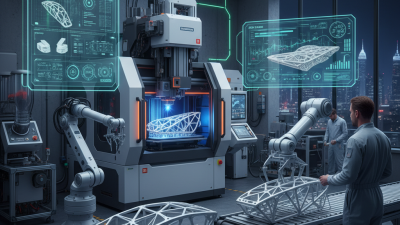
Emerging innovations are setting new standards. Hybrid systems that combine additive and subtractive processes are gaining traction. These systems enhance precision and efficiency. Furthermore, materials technology is advancing. New alloys and metal composites offer increased strength and durability. However, companies must remain adaptable. The landscape is changing fast, and staying informed is critical. Embracing these changes can present both risks and opportunities.