2026 Top Metal 3D Printer Innovations and Trends to Watch?
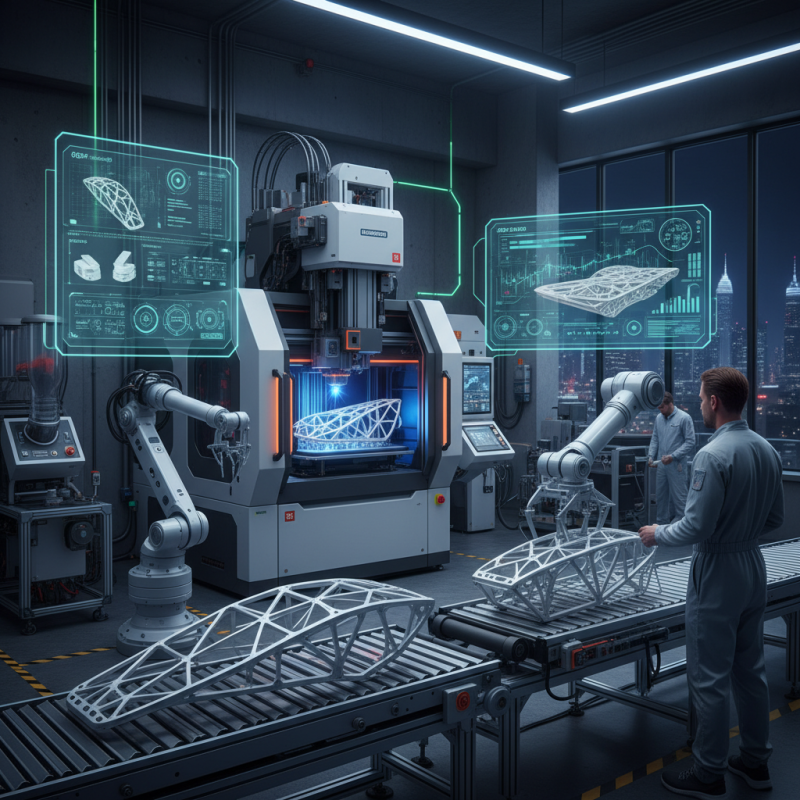
As we look towards 2026, innovations in Metal 3D Printer technology are rapidly changing the manufacturing landscape. These advancements promise to enhance precision and efficiency. Industries like aerospace and automotive are particularly keen on adopting these machines.
The demand for lighter and stronger materials drives this growth. Companies are exploring new alloys and techniques to push boundaries. However, challenges remain. The learning curve can be steep, and sourcing high-quality materials is crucial. Addressing these issues often takes time and effort.
Investors and manufacturers must remain vigilant. Trends will shift as new technologies emerge. Staying informed about innovations is essential for maintaining a competitive edge. The future of Metal 3D Printing is bright, but it requires careful consideration and adaptation.
Innovations in Metal 3D Printing Technologies Expected in 2026
As we approach 2026, the metal 3D printing landscape is set for significant transformation. Key innovations are anticipated in printing materials and methods. Advanced alloys will likely emerge, allowing for better strength and durability. These materials may enable the production of more intricate designs. This could impact industries such as aerospace and automotive.
The development of multi-material printing techniques is another exciting direction. Combining different metals in a single print could enhance functionality. However, challenges remain in ensuring seamless integration. Post-processing techniques are likely to evolve as well, enabling finer surface finishes. Nevertheless, achieving high precision consistently is still a concern.
Sustainability will also play a pivotal role in shaping these innovations. The push for eco-friendly practices may drive the adoption of recyclable materials. However, this transition is not without its hurdles. Balancing performance with sustainability needs careful exploration. Overall, the advancements in metal 3D printing are promising, but the journey may include setbacks and reflections on what truly works.
2026 Top Metal 3D Printer Innovations and Trends to Watch
| Innovation/Trend |
Description |
Impact |
Projected Adoption Year |
| Hybrid Printing Techniques |
Combining additive and subtractive manufacturing processes for improved precision. |
Higher accuracy in metal parts, reducing waste and post-processing time. |
2026 |
| Advanced Materials |
Utilization of new metal alloys and composite materials for enhanced performance. |
Increased material properties like strength, corrosion resistance, and heat tolerance. |
2026 |
| AI-Powered Process Optimization |
Leveraging artificial intelligence to optimize printing parameters in real-time. |
Improved print quality and reduced defects leading to lower production costs. |
2026 |
| Sustainability Innovations |
Developments focused on recycling metal powders and reducing energy consumption. |
Lower environmental impact and compliance with stricter regulations. |
2026 |
| Improved Software Interfaces |
Enhanced user interfaces for design and printing management software. |
Increased accessibility for designers and engineers, improving workflow. |
2026 |
Key Trends Shaping the Future of Metal 3D Printing Industry
The metal 3D printing industry is evolving at a rapid pace. In 2026, several key trends will shape its future. Automation and AI integration will play a crucial role. Companies are increasingly adopting smart technologies to enhance production efficiency. This shift allows for more precision in manufacturing processes.
One area to watch is the development of new alloys. These materials are engineered for better performance in extreme conditions. Implementing advanced materials can lead to lighter and stronger components. However, manufacturers must ensure these innovations are practical and cost-effective.
Tips: Keep an eye on training programs that focus on metal 3D printing. As technology advances, skills will need to evolve too. Engage with community forums to discuss challenges and share solutions. Embracing a culture of continuous improvement is vital. Ensure your team adapts to new tools and methods, even if it feels uncomfortable at times. Change can be daunting, but it is essential for growth.
2026 Top Metal 3D Printer Innovations and Trends
Impact of Advanced Materials on Metal 3D Printing in 2026
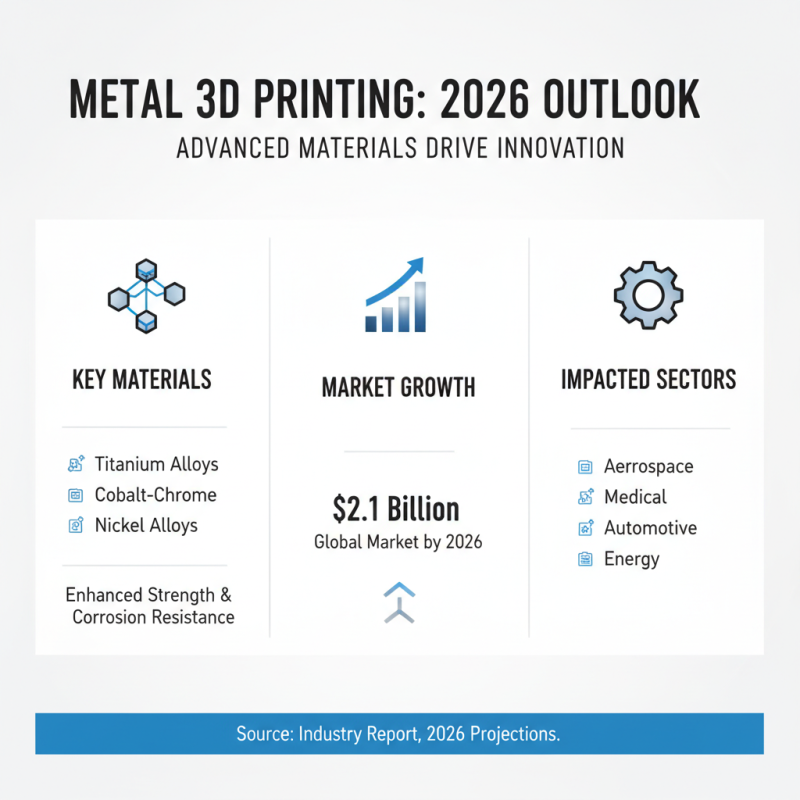
The landscape of metal 3D printing is rapidly evolving. By 2026, advanced materials will play a crucial role in this transformation. Metals like titanium, cobalt-chrome, and nickel alloys are becoming more prominent. These materials offer enhanced strength and corrosion resistance, making them ideal for various applications. A recent report suggests that the metal 3D printing market is expected to reach $2.1 billion by 2026, driven by these advancements.
However, the integration of new materials comes with challenges. The process of optimizing parameters for these metals can be complex. Many manufacturers face issues with powder quality and consistency. Reports indicate that nearly 40% of companies struggle with material cost management. This can lead to higher expenses and wasted resources, ultimately hindering innovation.
Moreover, while new alloys can expand design possibilities, they also demand rigorous testing. This ensures that the printed components meet industry standards. A recent survey found that 60% of engineers expressed concerns about the reliability of certain advanced materials. Balancing performance and safety is a key challenge for the industry. As we move towards 2026, these dynamics will shape the future of metal 3D printing.
Market Growth Projections for Metal 3D Printers and Applications
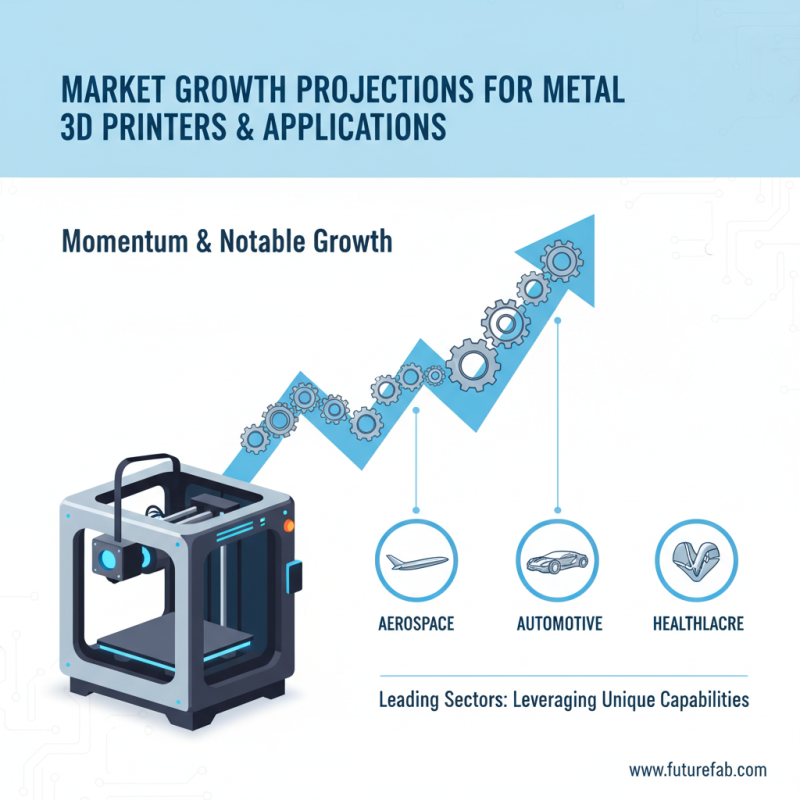
The market for metal 3D printers is gaining momentum. Projections indicate notable growth driven by various sectors. Aerospace, automotive, and healthcare are leading the charge. Each of these industries seeks to leverage the technology's unique capabilities.
In 2026, innovations will focus on expanding material options and improving print speeds. New alloys and composite materials could redefine manufacturing approaches. Despite these advancements, some challenges persist. For instance, the high cost of entry and maintenance can deter smaller businesses. Also, troubleshooting during the printing process remains a common hurdle for many users.
As applications broaden, the need for skilled operators rises. Training and education must keep pace with technology. Not all companies are ready for this shift. Some may struggle to adapt to the rapid changes. Additionally, regulatory concerns loom large, potentially slowing adoption rates. The future of metal 3D printing is bright yet complex, filled with both potential and pitfalls.
Sustainability Initiatives in Metal 3D Printing for a Greener Future
Sustainability is a rising focus in metal 3D printing. The process often consumes vast amounts of energy and materials. However, recent innovations are aiming to reduce this impact. Using recycled materials can lower waste and emissions. More companies are recognizing the value of eco-friendly practices.
Metal 3D printing allows for complex designs that traditional methods struggle to achieve. This precision can help minimize material usage. Yet, the industry still faces challenges. Not all processes are environmentally sound. Some technologies rely heavily on energy-intensive methods. Awareness and adaptation are crucial for a greener future.
Collaboration among companies and researchers is essential. Sharing knowledge can lead to improved practices. Developing criteria for sustainability in metal 3D printing is necessary. Only then can the industry truly thrive while being kind to the planet. Embracing these challenges is an opportunity. It pushes the boundaries of innovation while fostering responsibility.